Key Points
- Beijing stresses “safe and normal” maritime passage through key oil route
- Iran-China talks come amid rising fears of global energy disruption
- US pushes China to use leverage over Tehran on shipping security
- Oil prices ease on signs of possible diplomatic breakthrough
- Xi-Trump meeting expected to focus on Middle East tensions and trade
- China avoids directly blaming Tehran while calling for de-escalation
BEIJING/WASHINGTON: China has urged Iran to swiftly reopen the strategically vital Strait of Hormuz during high-level talks in Beijing, as diplomatic efforts intensified ahead of a closely watched meeting between Chinese President Xi Jinping and US President Donald Trump later this month.
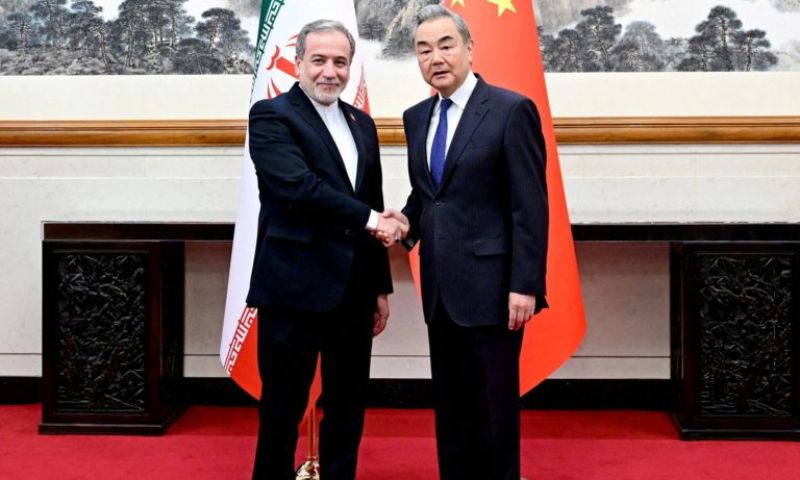
Chinese Foreign Minister Wang Yi conveyed Beijing’s concerns directly to Iranian Foreign Minister Abbas Araghchi during their meeting on Wednesday, emphasizing the need to restore safe and normal maritime passage through the crucial global energy corridor amid mounting fears of a prolonged supply crisis.
“The international community shares a common concern for the restoration of normal and safe passage of the strait,” Wang told Araghchi, according to an official Chinese statement cited by Bloomberg.
Beijing also called on all parties involved in the conflict to respond to international appeals for de-escalation “as soon as possible.”
The talks marked the first face-to-face meeting between the two diplomats since the outbreak of the Iran conflict and came at a sensitive moment for global markets and regional security.
China, the world’s largest importer of Iranian oil, has been increasingly alarmed by disruptions to shipping through the Strait of Hormuz, a key artery for global crude exports.
The diplomatic engagement also unfolded days before Xi and Trump are scheduled to hold talks amid escalating tensions over energy security, trade and the Middle East crisis.
US officials have publicly urged Beijing to use its influence over Tehran to help restore freedom of navigation in the waterway. Treasury Secretary Scott Bessent recently said China purchases around 90 percent of Iran’s oil exports, giving it considerable leverage over Tehran.
According to reports, Washington and Tehran are simultaneously weighing a tentative proposal aimed at ending hostilities and gradually reopening the Strait of Hormuz.
The reported framework would include phased easing of restrictions on maritime transit and a broader diplomatic process over Iran’s nuclear programme.
Oil markets reacted positively to signs of possible diplomatic progress. Crude prices fell sharply after President Trump signaled that the Strait could soon be “open to all” if Iran agrees to a proposed arrangement with Washington.
Despite Beijing’s growing diplomatic role, China has largely avoided directly blaming Iran for the crisis, instead repeatedly calling for restraint, dialogue and a negotiated settlement.
Analysts say China is attempting to balance its strategic partnership with Tehran while protecting its broader economic interests and energy supplies ahead of the Xi-Trump summit.