Key Points:
- Iranian outlets report a 14-point response to a US framework
- Pakistan cited as a channel for indirect diplomatic communication
- Ceasefire holds, though differences remain over terms of any deal
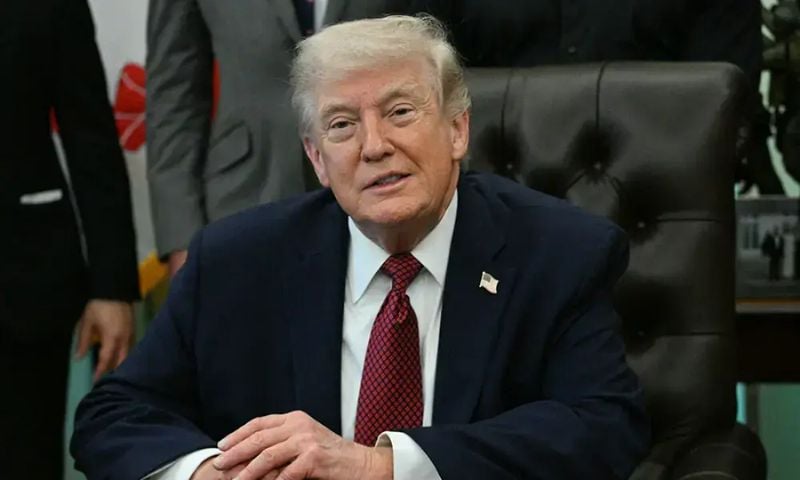
ISLAMABAD: President Donald Trump said he was reviewing a new proposal from Iran aimed at ending the ongoing conflict, indicating continued diplomatic engagement despite persistent differences between the two sides.
Speaking to reporters, Trump indicated that the proposal’s exact wording was being examined and would be assessed before any formal response. “They just told me about the concept of the proposal, …we’ll be looking into it word by word,” he added in response to a reporter’s question.
His remarks suggest a cautious approach as Washington evaluates the substance of the Iranian proposals.
There has been no official confirmation from Iranian state authorities regarding the proposal.
However, reports from Tasnim News Agency and Fars News Agency indicate that Tehran has submitted a 14-point framework in response to an earlier nine-point outline attributed to the United States.
Earlier, a Wall Street Journal report citing sources claimed that Iran has conveyed readiness to resume talks as early as the following week. It has also been reported that Iran has shown more flexibility in the latest set of proposals.
According to these reports, the proposal was conveyed through Pakistan, which has previously facilitated indirect contacts between the two countries.
Pakistan’s role highlights its continued engagement in supporting diplomatic communication channels during the crisis.
The entire world has appreciated Pakistan’s role as peacemaker by making the very first appeal for a ceasefire, and hosting the Islamabad Talks between Iran and the US.
The exchange of proposals comes amid a lasting ceasefire following weeks of military escalation that began in late February despite threats, warnings and alerts.
Although hostilities have paused, both sides remain on alert, and the terms of any potential agreement remain unclear.
Observers note that public statements from Washington and Tehran reflect differing priorities and negotiating positions.
The ongoing review of proposals suggests that diplomacy remains active, though any breakthrough will likely depend on alignment over key security and political concerns.