LONDON: Global oil prices surged to their highest level since 2022 after the commander of US Central Command briefed Donald Trump on potential “final blow” strike options against Iran, according to a media report.
Benchmark Brent crude rose nearly 7 percent to more than $126 per barrel at one stage on Thursday, before retreating later in volatile trading.
The spike follows a report by US media, citing anonymous sources, that US military planners have drawn up options for a wave of “short and powerful” strikes aimed at breaking a diplomatic deadlock with Tehran.
Admiral Brad Cooper presented the options during a meeting in the White House Situation Room, outlining a “short and powerful wave of strikes” should the president decide to resume combat operations.
The reported targets include Iran’s “remaining military assets, leadership and infrastructure”, the report said.
The Pentagon is also considering deploying advanced weapons systems, including a hypersonic missile known as Dark Eagle.
According to the report, the system is capable of striking targets up to 2,000 miles (3,218 kilometres) away, potentially targeting remaining ballistic missile launchers.
It added that B-1B Lancer bombers — capable of carrying large payloads — have increased their presence in the region.
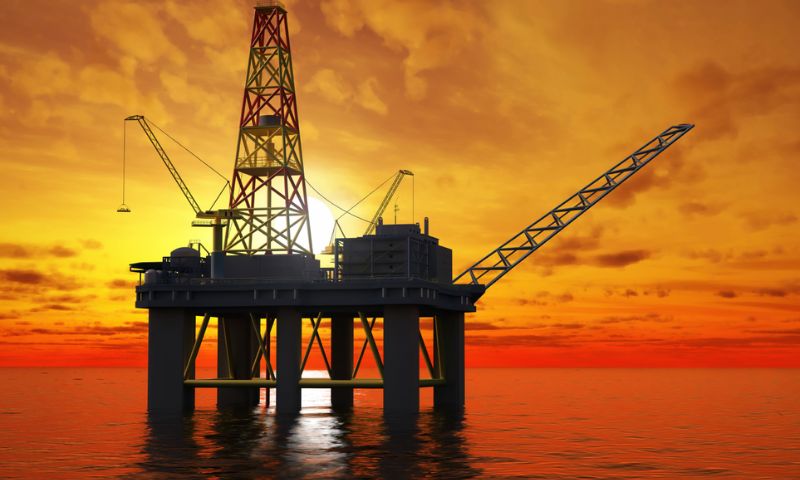
Energy markets have been under pressure throughout the week as negotiations appear stalled and the Strait of Hormuz — a critical artery for global energy supplies — remains effectively closed.
Roughly 20 percent of the world’s oil and liquefied natural gas passes through the strait, amplifying concerns over supply disruptions.
Brent crude briefly touched $126.31 per barrel — its highest level since Russia’s invasion of Ukraine — before falling back to around $114 later in the day.
Analysts attributed part of the sharp price reversal to technical factors, including the expiry of June futures contracts. More actively traded July contracts were priced lower, reflecting ongoing market uncertainty.
Rising crude prices have already translated into higher fuel costs for consumers. Petrol and diesel prices have climbed significantly since the start of the conflict, with broader implications for inflation.
Governments and analysts warn that the impact could extend beyond fuel, driving up costs for food, air travel, and other goods as supply chains absorb higher energy prices.
The media report also suggested alternative US plans could involve securing parts of the Strait of Hormuz to reopen shipping lanes — a move that could require ground forces.
In response, Iran has vowed to maintain control over the waterway and warned against what it described as external interference.
The United States has said it will continue efforts to counter threats to shipping in the region, while Iran has signalled it could target vessels transiting the strait.
Market analysts say the prospect of further escalation remains a key driver of price volatility.
“It does seem as though escalation in the war is back on the table,” said Naveen Das, a senior oil analyst, noting that prices nearing $125 per barrel tend to heighten economic and political concerns.
With tensions unresolved, investors and policymakers are bracing for prolonged uncertainty in global energy markets and their knock-on effects on inflation and growth.