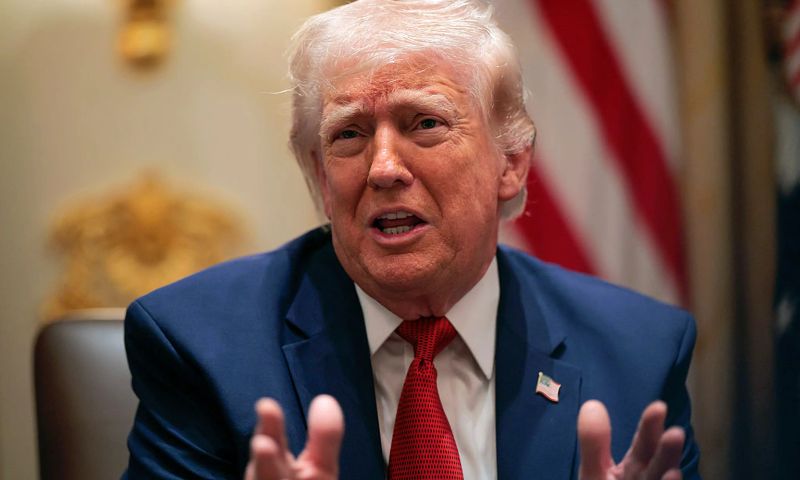



WASHINGTON: US President Donald Trump is set to hold talks on the Iran war with his top national security advisors on Monday, US media reported, as diplomatic efforts continued to end the conflict.
The planned meeting comes after the first round of negotiations between Washington and Tehran, held in Pakistan earlier this month, concluded without a breakthrough but paved the way for diplomacy and dialogue.
Barak Ravid, global affairs correspondent for Axios, reported that Trump would meet his senior national security and foreign policy team to discuss next steps in dealing with Iran.
Meanwhile, ABC News, citing two unidentified US officials, reported that the US President would review options after a fresh proposal from Tehran.
According to Axios, the Iranian proposal focused on reopening the Strait of Hormuz and ending a US naval blockade of Iranian ports, while postponing nuclear negotiations to a later stage.
Iranian Foreign Minister Abbas Araghchi on Sunday visited Pakistan to discuss progress on talks with the US.
Earlier, Trump cancelled a planned visit by his envoys, Steve Witkoff and Jared Kushner to Islamabad for talks with the Iranian negotiation team.
Speaking to Fox News on Sunday, Trump said Iran could initiate contact if it sought further talks.
“They can come to us, or they can call us,” he said after calling off the visit.
Tehran has blamed Washington for the breakdown in negotiations.
Araghchi, speaking in St Petersburg during a visit to Russia, said US positions had undermined the talks.
“The US approaches caused the previous round of negotiations, despite progress, to fail to reach its goals because of the excessive demands,” he said on Monday.
The Iranian foreign minister is expected to meet Russian President Vladimir Putin as part of a diplomatic tour that also includes a planned visit to Oman, following recent engagements with Pakistan, which has been acting as a mediator.
Iran’s state-run Fars news agency reported that Tehran had conveyed “written messages” to the United States via Pakistan.
Although a ceasefire in the conflict has so far held, the economic impact continues to reverberate globally.
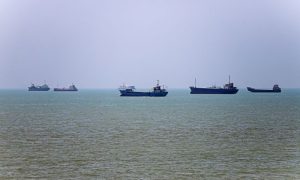
Iran has effectively shut the Strait of Hormuz, a vital corridor for global energy supplies, disrupting flows of oil, gas and fertilisers.
The move has driven up prices and raised concerns about food security, particularly in developing economies.
In response, the United States has imposed a blockade on Iranian ports in and beyond the strategic waterway.