Key Points
- Roughly 20% of global oil flows exposed via Strait of Hormuz
- Prices remain sharply elevated from pre-conflict levels near $70
- Forward markets signal higher-for-longer crude expectations
- Cancellation of talks removes key diplomatic support for prices
ISLAMABAD: Global oil markets have repriced for a prolonged disruption scenario after Donald Trump cancelled a planned visit by American envoys to Islamabad for Iran-linked talks, reinforcing expectations of sustained geopolitical risk in energy markets.
Benchmark Brent crude is holding above $105 per barrel, underscoring persistent supply concerns tied to tensions involving Iran and ongoing uncertainty over the Strait of Hormuz, through which about one-fifth of global oil and gas flows transit.
Market participants say the impact of the cancelled talks is less about immediate supply disruption and more about the removal of a diplomatic pathway that had been partially anchoring expectations of de-escalation.
With that anchor gone, oil is increasingly being priced on the assumption that disruptions could persist over a longer horizon.
The shift is most evident in forward crude contracts, where longer-dated prices are indicating a higher-for-longer trajectory, suggesting that traders expect geopolitical tensions to remain a dominant driver of oil markets beyond the near term.
Despite intermittent volatility driven by ceasefire signals and headline risk, current price levels remain significantly elevated compared with pre-conflict benchmarks near $70 per barrel, highlighting the scale of the embedded risk premium.
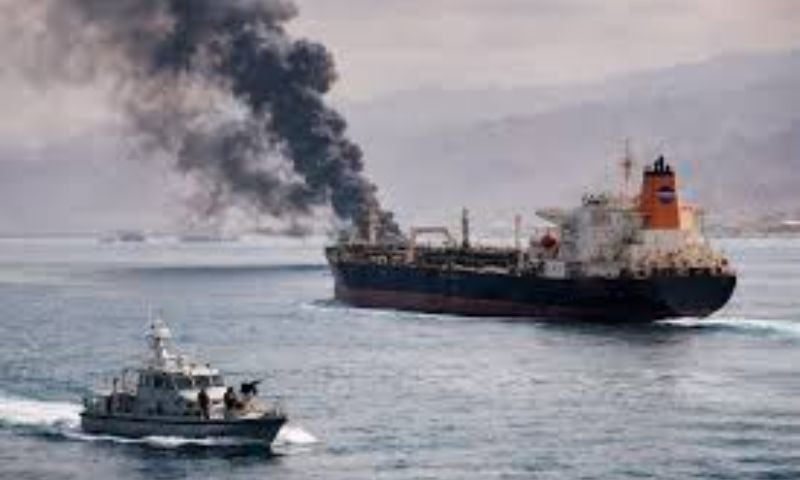
Analysts note that oil is now trading less on traditional fundamentals such as inventories and demand, and more on geopolitical developments, including maritime security risks, shipping disruptions, and the absence of active diplomacy.
For energy-importing economies such as Pakistan, sustained higher oil prices pose renewed challenges for inflation, currency stability, and external balances, as global energy costs remain tied to an uncertain and protracted conflict environment.