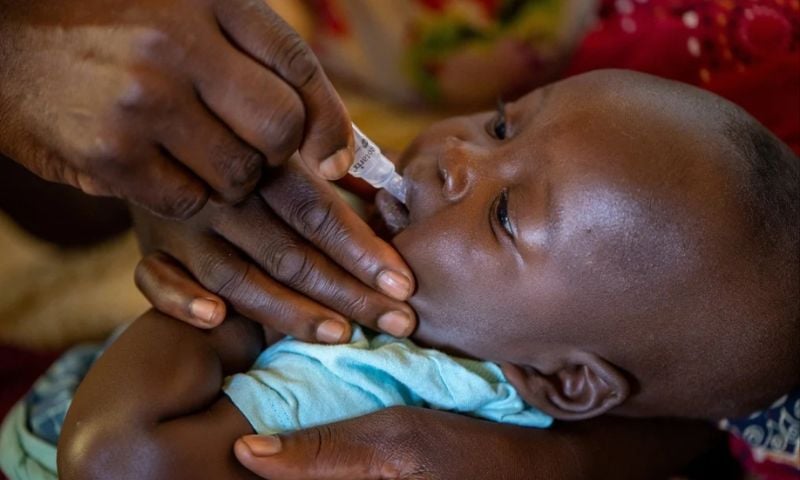
GENEVA, Switzerland: The World Health Organisation granted prequalification approval to the first malaria treatment specifically designed for newborns and infants, marking a significant step in tackling one of the world’s deadliest diseases.
The treatment, artemether-lumefantrine, is the first formulation tailored for the youngest patients, who have previously been treated with medicines intended for older children, increasing the risk of incorrect dosing and harmful side effects.
“The prequalification designation indicates that the medicine meets international standards of quality, safety and efficacy,” the WHO said in a statement.
Closing a critical gap
The move is expected to improve access to safe and effective treatment for millions of infants born each year in malaria-affected regions, particularly in Africa, where the burden of the disease remains highest.
“For centuries, malaria has stolen children from their parents, and health, wealth and hope from communities,” said WHO chief Tedros Adhanom Ghebreyesus.
“But today, the story is changing. New vaccines, diagnostic tests, next-generation mosquito nets and effective medicines, including those adapted for the youngest, are helping to turn the tide.
“Ending malaria in our lifetime is no longer a dream — it is a real possibility, but only with sustained political and financial commitment. Now we can. Now we must.”
According to the WHO, malaria caused an estimated 282 million cases and 610,000 deaths in 2024, with Africa accounting for the vast majority. Children under five remain the most vulnerable group.
The agency said the approval would support global procurement efforts and strengthen treatment access in regions where healthcare systems face regulatory challenges.