Key Points
- Asian equities struggle despite modest weekly gains
- Oil prices extend sharp rally on Strait of Hormuz disruption
- Brent and WTI post strong weekly gains of 15–17 per cent
- Yen weakens toward 160 per dollar, raising intervention risk
ISLAMABAD: Global markets remained volatile on Friday, as Asian equities delivered a mixed performance. Oil prices resumed their upward climb amid renewed geopolitical tensions in the Middle East and stalled U.S.-Iran negotiations.
MSCI’s broadest index of Asia-Pacific shares outside Japan edged up 0.3 per cent, putting it on track for a weekly gain of around 0.8 per cent. Japan’s Nikkei 225 rose 0.45 per cent, supported by currency weakness, while equities in China, Hong Kong and South Korea declined on risk-off sentiment.
Oil markets remained the key driver of global risk sentiment.
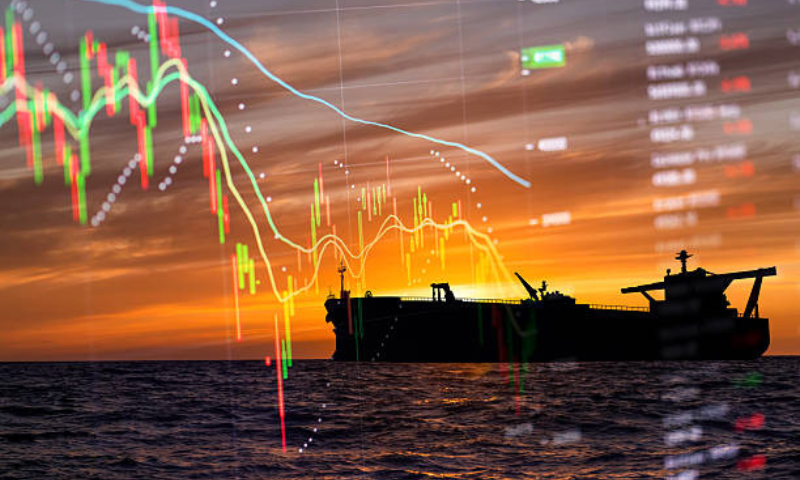
Brent crude rose to about $106 per barrel, while U.S. West Texas Intermediate (WTI) traded near $96–$97 per barrel, extending gains driven by supply fears linked to disruptions in the Strait of Hormuz.
Weekly, Brent is up roughly 17 per cent, while WTI has gained about 15 per cent, marking one of the strongest short-term rallies in recent months as traders price in prolonged geopolitical risk to global supply flows.
The rally follows repeated disruptions to shipping lanes in the Strait of Hormuz, a critical artery for global crude shipments, apparently due to uncertainty over the durability of the fragile ceasefire and stalled diplomatic engagement between Washington and Tehran.
Currency markets added to volatility, with the Japanese yen weakening toward the closely watched 160 per dollar level, a zone that has historically triggered intervention warnings from Japanese authorities.
The combination of surging energy prices, uneven equity performance and currency stress underscores growing investor caution as markets reassess global inflation risks and central bank policy outlooks.
Analysts say near-term direction will remain heavily dependent on developments in Middle East diplomacy and any escalation affecting energy supply routes.