QUETTA: Pakistan’s southwestern province of Balochistan has launched a sweeping education reform programme, featuring large-scale school upgrades, a five-year enrollment drive, and record textbook distribution.
The reforms include the upgradation of hundreds of primary and middle schools, a targeted programme to bring out-of-school children into classrooms, and the distribution of millions of free textbooks, as authorities seek to improve literacy rates and address long-standing disparities in one of Pakistan’s least developed regions.
School Upgrades Across Province
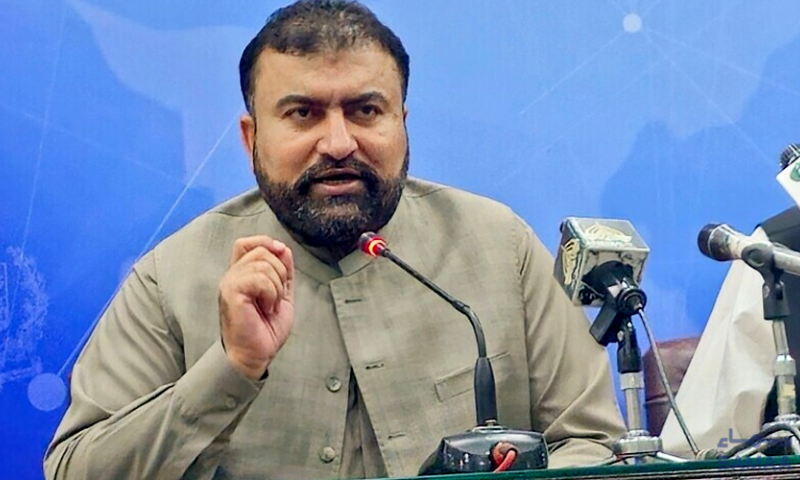
The provincial government has approved the upgradation of 679 primary and 409 middle schools in the next fiscal year, Chief Minister Mir Sarfaraz Bugti announced during a high-level meeting this week.
Officials said the initiative aims to modernise educational infrastructure and improve learning conditions across both urban centres and remote areas of the province.
Chief Secretary Shakeel Qadir Khan, while briefing the cabinet, said nearly 1,000 schools would benefit from the plan, which is expected to address educational disparities that have persisted over the past 15 years.
Experts believe improved infrastructure — including modern classrooms, laboratories, libraries, and sanitation facilities — will significantly boost student enrollment and retention rates.
Authorities emphasised that coordinated efforts across departments would be essential to ensure smooth implementation.
“Investing in education is investing in Balochistan’s bright future. Modern schools will give young people better opportunities,” Chief Minister Bugti said.
Five-Year Plan to Enroll Out-of-School Children
Separately, the government has proposed a comprehensive five-year programme to bring out-of-school children into formal education.
The decision was taken during another high-level meeting chaired by Chief Minister Bugti.
Officials said the programme would focus particularly on remote and underserved areas, where access to education remains limited.
According to a briefing by Chief Secretary Shakeel Qadir Khan, the plan includes:
-
Outreach campaigns
-
Community engagement
-
Targeted support for children at risk of dropping out
The initiative aims to reduce dropout rates and ensure universal access to quality education.
Experts said the programme could play a crucial role in reducing long-standing educational disparities in the province.
Authorities reiterated that enrolling out-of-school children remains a top priority under the government’s broader good governance and education reform agenda.
The programme is expected to lay the foundation for a more educated and skilled generation, contributing to Balochistan’s long-term economic and social development.
Record Textbook Distribution and Cost Savings
In a major administrative achievement, the government also distributed over 12.8 million free textbooks for the 2026 academic year across all 36 districts ahead of schedule.
Provincial Education Minister Raheela Hamid Khan Durani said the Balochistan Textbook Board ensured transparency in the printing tender process, resulting in savings of approximately Rs1.25 billion for the provincial treasury.
She credited the achievement to the leadership of Chief Minister Bugti, the education ministry, and guidance from Education Secretary Lal Jan Jafar.
Dr Gulab Khan Khelji, Chairman of the Textbook Board, said printing costs for 2025–26 were reduced to Rs0.88 billion, compared to:
-
Rs2.12 billion in 2023–24
-
Rs1.09 billion in 2024–25
He added that the province has replaced the outdated 1977 curriculum with a modern syllabus aligned with the National Curriculum of Pakistan 2022–23.
Modern Curriculum and Expanded Access
The updated curriculum spans primary to intermediate levels and includes:
-
Quranic studies
-
Computer education
-
Environmental studies
-
Health and physical education
-
Citizenship and ethics
-
Artificial intelligence
Demand for textbooks increased by 3.5 million copies compared to last year, driven by the reopening of more than 4,000 schools and the recruitment of over 10,000 teachers.
Future Plans and Outlook
Looking ahead, the education department plans to prioritise English-medium textbooks and improve durability by using high-quality bleached card paper.
Officials said non-essential content has been trimmed to ensure the timely completion of the academic syllabus without placing an extra burden on students and teachers.
The government’s timely, cost-effective, and high-quality textbook initiative is being hailed as a model for other provinces, with expectations that the programme will continue in the coming years.