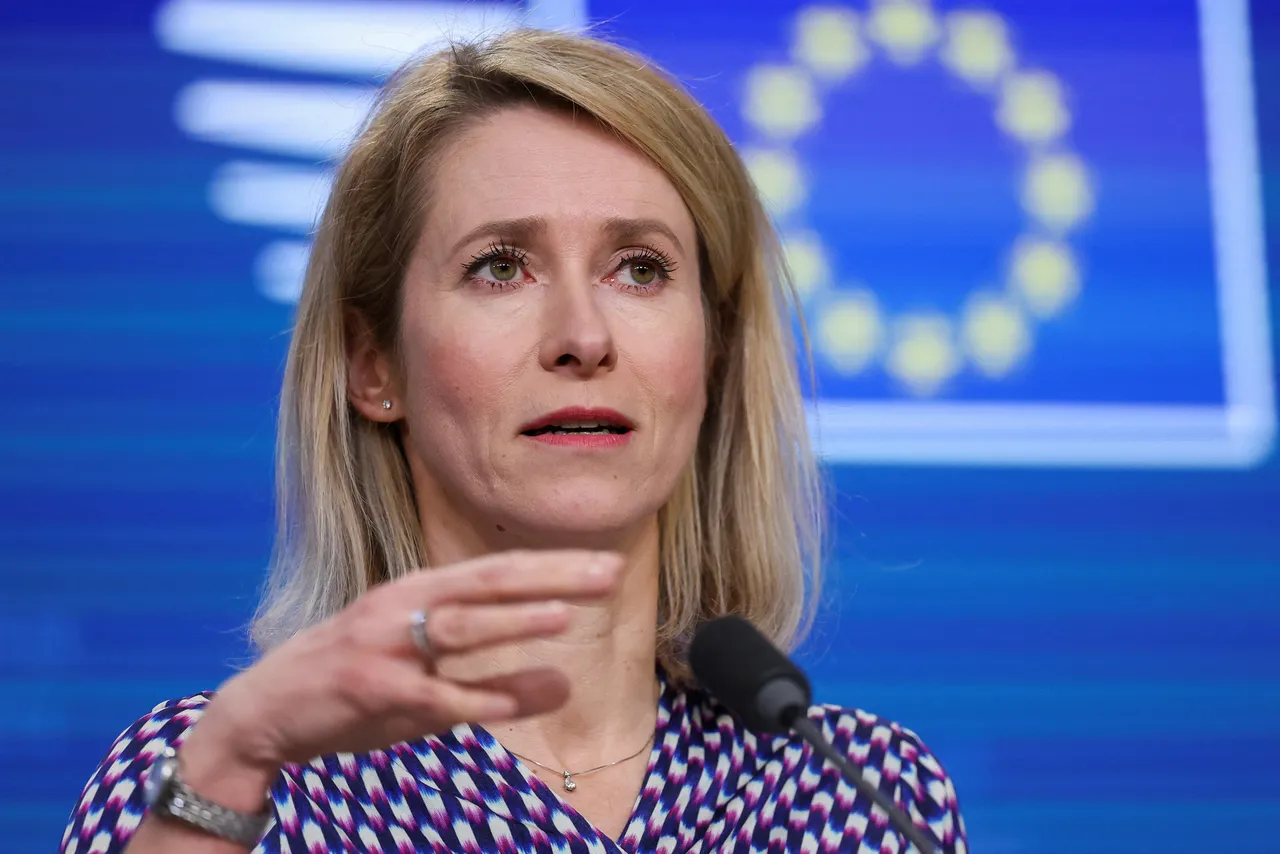
BRUSSELS: European Union foreign ministers showed “no appetite” to expand an EU naval mission to the Strait of Hormuz for now, EU foreign policy chief Kaja Kallas said on Monday.
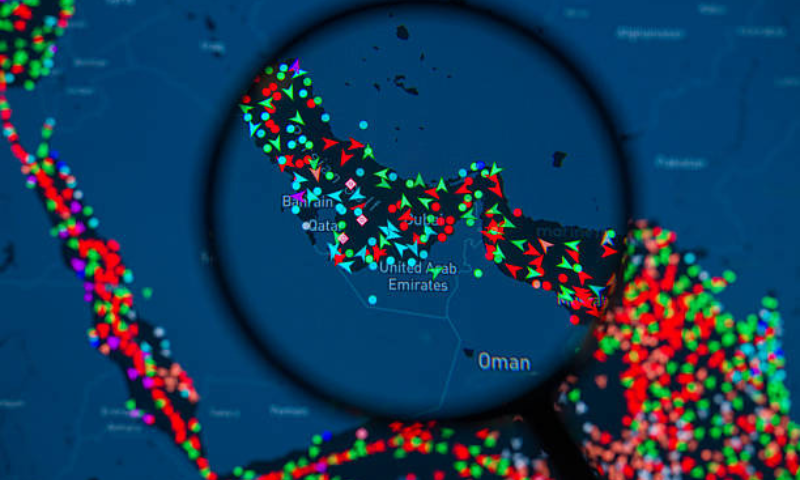
The comments came after Donald Trump urged other nations to help police the strategic waterway following Iranian retaliation to US-Israeli strikes. Iran used drones, missiles and mines to effectively close the strait to tankers that normally carry around one-fifth of the world’s oil and liquefied natural gas.
The EU’s Operation Aspides naval mission — named after the Greek word for “shields” — was launched in 2024 to protect commercial shipping from attacks by Yemen’s Houthi rebels in the Red Sea.
“There was in our discussions a clear wish to strengthen this operation, but for the time being there was no appetite to change the mandate of the operation,” Kallas told reporters after a meeting of EU foreign ministers in Brussels.
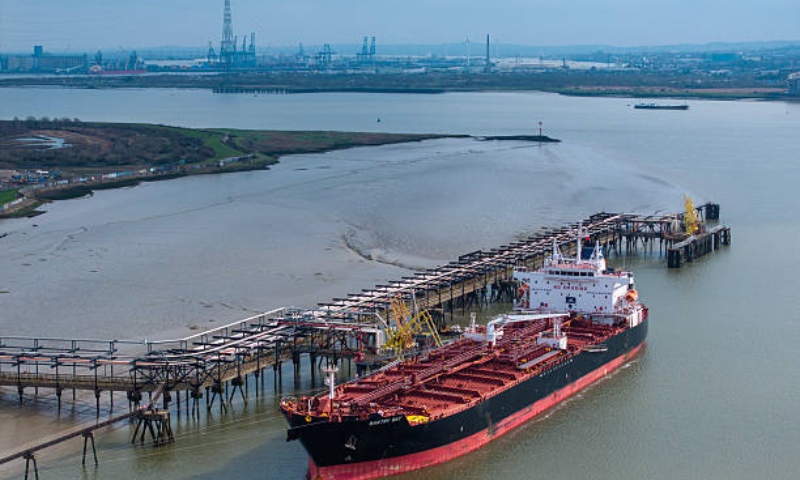
The mission currently operates with an Italian and a Greek warship under direct command, while a French ship and another Italian vessel can be called upon for support.
“The discussion was that it should be strengthened, because it doesn’t have too many naval assets. It should have more,” Kallas said, adding: “While the Strait of Hormuz is at centre stage, the Red Sea also remains critical.”
Meanwhile, NATO members and several Western allies pushed back on Trump’s call for military support to reopen the Strait of Hormuz, the key shipping lane Iran has effectively closed.
British Prime Minister Keir Starmer said London was working with allies on a “viable” plan to restore freedom of navigation but ruled out a NATO-led mission.
“We’re working with all of our allies, including our European partners, to bring together a viable collective plan that can restore freedom of navigation in the region as quickly as possible and ease the economic impacts,” Starmer said.
“Let me be clear: that won’t be, and it’s never been envisioned to be, a NATO mission,” he added, stressing that Britain would not be drawn into a wider war.
Germany also ruled out military participation. A spokesman for Chancellor Friedrich Merz said the conflict had “nothing to do with NATO”.
“NATO is an alliance for the defence of territory,” spokesman Stefan Kornelius said, adding that the mandate to deploy the alliance in the current situation was lacking.
German Defence Minister Boris Pistorius said Berlin would instead support diplomatic efforts to ensure safe passage through the strait.
Other European countries, including Poland, Spain, Greece and Sweden, also distanced themselves from direct military involvement following Trump’s request. Japan and Australia expressed similar positions, with Canberra confirming it would not send a naval vessel to the area.
Trump had called on countries including China, France, Japan, South Korea and Britain to dispatch warships to escort tankers through the strait, warning that refusing would be “very bad for the future of NATO”.
Oil prices surged after the waterway was effectively closed and remained above $100 per barrel as the Iran war entered its third week, highlighting the global economic importance of maintaining safe passage through the vital shipping route.
Some European officials nevertheless signalled cautious openness to discussions. Danish Foreign Minister Lars Løkke Rasmussen said the situation was “very, very serious”, though he stressed that Europe had called for de-escalation from the start.
Dutch Prime Minister Rob Jetten said it would be “very difficult to launch a successful mission in the short term”, while Lithuania and Estonia said NATO countries should consider the US request but needed greater clarity on any potential operation.