Key Points
• Pakistan’s central bank keeps benchmark policy rate unchanged at 10.5 per cent
• Consumer inflation climbs to 7 per cent in February after earlier slowdown
• War in the Middle East pushes up global fuel, freight and insurance costs
• Foreign exchange reserves rise to $16.3 billion after current account surplus
• Economic growth projected between 3.75 and 4.75 per cent in fiscal year 2026
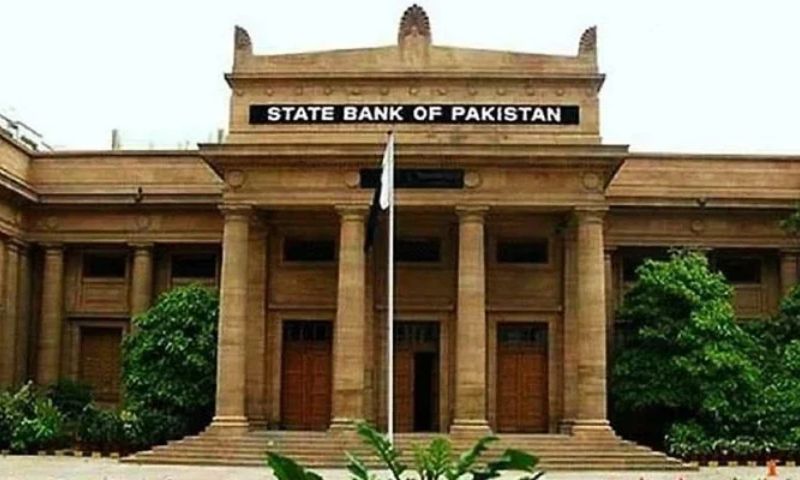
ISLAMABAD: Pakistan’s central bank kept its benchmark policy interest rate unchanged at 10.5 per cent on Monday as rising inflation and global uncertainty over the Iran war complicated the country’s economic outlook.
The decision was taken by the Monetary Policy Committee of the State Bank of Pakistan, the country’s central bank, which said recent economic data broadly matched earlier forecasts, but risks have increased significantly due to the evolving geopolitical situation.
Consumer price inflation accelerated to 5.8 per cent in January and further to 7 per cent in February 2026, reversing the earlier downward trend.
Policymakers said the rise largely reflects the fading impact of earlier declines in food and energy prices as well as adjustments in electricity charges for households.
Officials warned that inflation is likely to remain above 7 per cent during the remaining months of the current fiscal year and may extend into the next fiscal year.
The outlook also faces uncertainty from volatile global commodity prices and possible supply disruptions linked to the Middle East conflict.
The central bank noted that the war has pushed up global fuel prices along with freight and insurance costs, factors that could transmit inflationary pressure to energy-importing economies such as Pakistan.
Despite these concerns, officials said the country’s macroeconomic position has improved compared with earlier global shocks.
Foreign exchange reserves held by the central bank increased to $16.3 billion as of February 27 after continued purchases of foreign currency from the interbank market.
Pakistan’s external accounts also showed relative stability. The country recorded a current account surplus of $121 million in January, keeping the cumulative deficit at $1.1 billion during the first seven months of the fiscal year that began in July.
Workers’ remittances from overseas Pakistanis continued to finance a large portion of the trade deficit, helping reduce pressure on the balance of payments.
Economic activity has shown gradual improvement in recent months. High-frequency indicators such as automobile sales, cement dispatches, electricity generation and petroleum product sales recorded stronger growth during the fiscal year.
Large-scale manufacturing expanded by 0.4 per cent year on year in December, taking cumulative growth to 4.8 per cent during the July–December period.
Based on these trends, the central bank expects Pakistan’s economy to grow between 3.75 per cent and 4.75 per cent in the fiscal year ending in June 2026.
However, officials cautioned that geopolitical tensions and volatility in global energy prices could affect this outlook.
Fiscal conditions have shown some improvement, supported by contained spending and lower interest payments.
However, tax collection remained below government targets during January and February, widening the cumulative shortfall for the fiscal year.
The central bank emphasised the importance of maintaining prudent monetary and fiscal policies and accelerating structural reforms to ensure sustainable economic growth and strengthen resilience against external shocks.