Key Points
- Japan deploys long-range Type-12 missiles to southwestern bases
- Measure aims to enhance deterrence amid rising regional tensions
- China criticises deployment as destabilising
- Covers strategic locations near Taiwan and the East China Sea
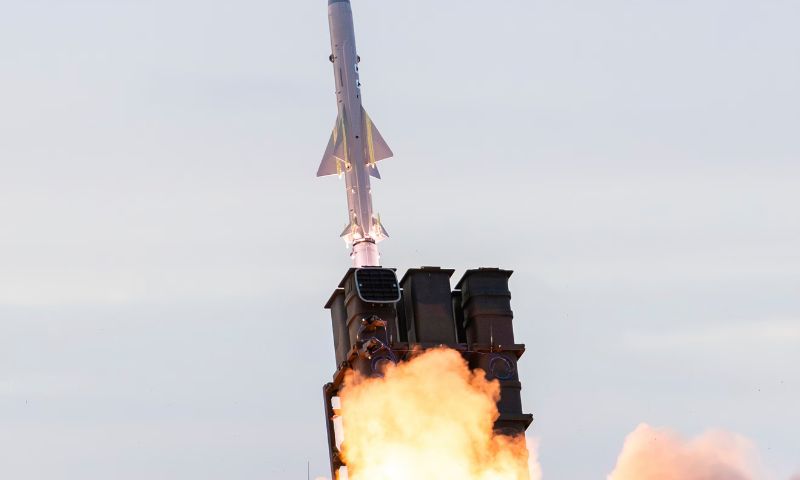
ISLAMABAD: Japan has accelerated the deployment of its first domestically developed long-range missile systems to strategic bases closer to China, responding to growing regional security concerns with counter-strike capabilities.
The deployment involves the Type-12 surface-to-ship guided missile, capable of reaching targets up to 1,000 kilometres away, according to international media.
Japanese defence officials say the system is intended to strengthen deterrence and provide a credible response in the event of regional contingencies.
The missiles have arrived at southwestern bases, including Camp Kengun in Kumamoto, and are expected to be fully operational by the end of March 2026.
Additional placements are planned across the southwestern island chain, providing coverage of areas near Taiwan and the East China Sea.
Japan’s defence ministry emphasises that these measures are part of a broader strategy to ensure national security and protect territorial sovereignty, reflecting concerns over China’s increasing military presence and activity in regional waters.
China has criticised the deployment, calling it destabilising and warning that it could escalate tensions in an already sensitive region.
Chinese officials have urged Japan to reconsider its actions and avoid measures that could heighten regional risks, according to the AFP.
Analysts note that while Japan’s move aims to enhance deterrence, it could prompt a regional arms response and complicate diplomatic efforts in East Asia. The deployment aligns with Japan’s recent defence policy revisions, which emphasise preparedness, deterrence, and strategic flexibility.
Observers highlight that the move also signals Japan’s intent to maintain strong defence ties with allies, particularly the United States, while addressing perceived security threats in its immediate neighbourhood.