Key Points
- Formal announcement of the successor is pending, subject to procedural approval
- The decision reflects considerations of internal security and continuity of leadership
- The selection follows the death of Supreme Leader Ayatollah Ali Khamenei during the 2026 conflict
- Remote and written procedures were used due to security risks and ongoing hostilities
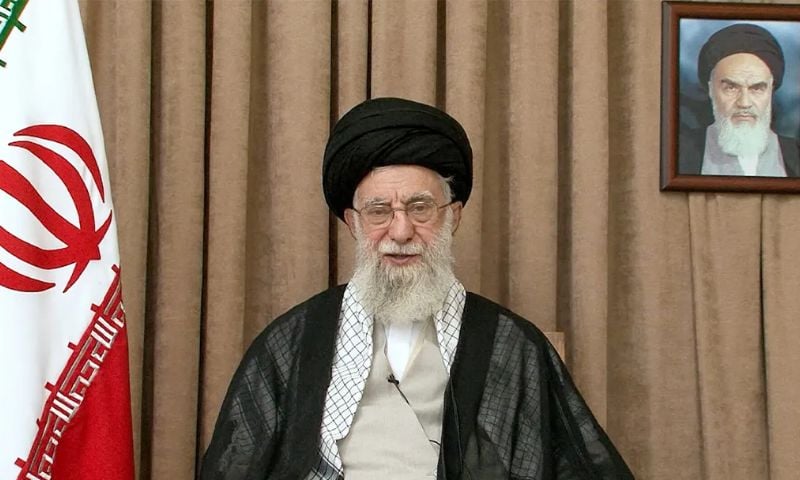
ISLAMABAD: Iran’s Assembly of Experts, the clerical body responsible for selecting the country’s supreme leader, has reached a consensus on the successor to Ayatollah Ali Khamenei, according to members of the assembly, though the official name has not yet been publicly announced.
Assembly member Ayatollah Mohammadmehdi Mirbaqeri said that while a majority decision has been reached, some procedural issues remain to be resolved before the formal announcement.
Security considerations, including the potential targeting of the assembly, have influenced the timing and method of finalisation, according to Mehr News Agency
Two other assembly members, Ayatollah Mohsen Heidari Alekasir and Ahmad Alamolhoda, said the candidate had been chosen and that Ayatollah Hashem Hosseini Bushehri, head of the assembly’s secretariat, would announce the decision.
Iranian media reported minor disagreements over whether an in-person meeting was necessary or whether the decision could be confirmed remotely, with written procedures being adopted due to current conditions, Nournews reported.
The successor was reportedly selected after guidance from the late Supreme Leader, who had emphasised that Iran’s top leader should be “hated by the enemy” rather than endorsed by external adversaries, reflecting long-standing principles within the clerical leadership hierarchy.
Since the conflict began on February 28, Israeli and US strikes have killed dozens of Iranian officials, including Supreme Leader Khamenei. The attacks also damaged infrastructure associated with the Assembly of Experts in the city of Qom, prompting extraordinary measures to protect the body and conduct its business.
In the immediate aftermath of Khamenei’s death, an interim leadership council, comprising Iran’s president, judiciary chief, and a senior cleric, has overseen the functions of the supreme leader’s office.
The Assembly’s decision to use remote and written procedures reflects the ongoing conflict and heightened security risks.
International attention is focused on the selection, as the supreme leader holds substantial authority over Iran’s military, judiciary, and foreign policy.
Analysts note that the choice of successor is expected to have significant implications for governance and regional dynamics.
Completion of procedural matters and assurance of the new leader’s security would enable the formal disclosure of his identity. The observers are closely monitoring developments for indications of Iran’s policy direction under the new leadership.