


Key Points
- Saudi air defenses intercepted four missiles and five drones targeting Riyadh and Al-Kharj early Friday.
- Prince Sultan Air Base in Al-Kharj was among the primary targets of the attacks.
- The incidents follow recent drone strikes, including one that hit the US Embassy in Riyadh on March 3.
- Escalation comes amid a widening regional conflict after US-Israeli strikes on Iran.
- Oil shipping through the Strait of Hormuz has dropped by 86%, with about 150 tankers stranded after regional attacks.
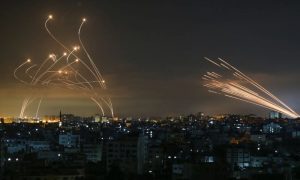
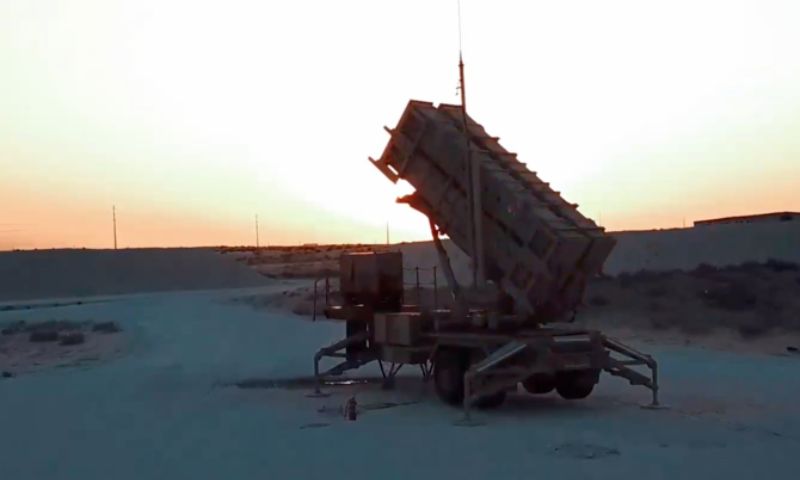
RIYADH: Saudi Arabia’s air defense systems successfully intercepted and destroyed several missiles and drones targeting key locations across the Kingdom early Friday, according to the Ministry of Defense.
In a series of updates posted on X shortly after midnight, the ministry confirmed that three ballistic missiles were launched toward Prince Sultan Air Base in the Al-Kharj governorate. Saudi air defenses responded swiftly, neutralizing the missiles before they reached their intended target.
The ministry later reported additional aerial threats during the night. One drone was shot down over the Eastern Province, while another was intercepted above Al-Kharj.
As the morning progressed, Saudi forces also destroyed a cruise missile approaching Al-Kharj, followed by the interception of three drones in the eastern Riyadh region.
Friday’s incidents came just hours after Saudi defenses neutralized three cruise missiles targeting Al-Kharj and prevented a drone strike over the Ras Tanura oil refinery in the Eastern Province—one of the Kingdom’s most critical energy facilities.
Al-Kharj, located roughly 80 kilometers southeast of Riyadh, is a key industrial and military hub and hosts the strategically important Prince Sultan Air Base. The latest barrage follows a series of recent aerial attacks in the Kingdom, according to the Saudi Press Agency (SPA).
On March 3, Saudi air defenses intercepted eight drones approaching Riyadh and Al-Kharj. On the same day, a drone struck the US Embassy compound in Riyadh, causing a small fire and minor structural damage. No casualties were reported.
Iran’s Ambassador to Saudi Arabia, Alireza Enayati, rejected accusations of Tehran’s involvement in the attacks during a statement issued Thursday.
The escalation comes amid a widening regional conflict triggered by a large-scale air campaign launched by Israel and the United States against Iran last Saturday.
Since then, Tehran has reportedly carried out retaliatory strikes against various targets across the Gulf region.
Hostilities intensified after February 28, when the conflict spread beyond direct combat zones and began affecting neighboring countries.
Gulf Cooperation Council (GCC) states have reported multiple attacks attributed to Iran, with at least nine deaths reported in the wider Gulf region. Regional shipping routes have also been heavily disrupted.
A missile strike on a commercial vessel near Oman has contributed to a backlog of around 150 oil tankers near the Strait of Hormuz, where oil transport activity has dropped by nearly 86 percent.
Saudi Arabia also issued a strong condemnation on Thursday following Iranian drone and missile attacks targeting Azerbaijan and Turkish airspace protected by NATO, describing the strikes as “blatant and cowardly.”
During an emergency ministerial meeting held in Riyadh on March 1, the GCC reaffirmed the collective right of member states to defend their sovereignty against what it described as “Iranian aggression.”
Following a Cabinet session chaired by Crown Prince Mohammed bin Salman on March 3, Saudi Arabia reiterated that it reserves the “full right” to respond to the continued attacks.
Officials emphasized that the Kingdom will take all necessary measures to protect its territory, citizens, and residents from further threats.