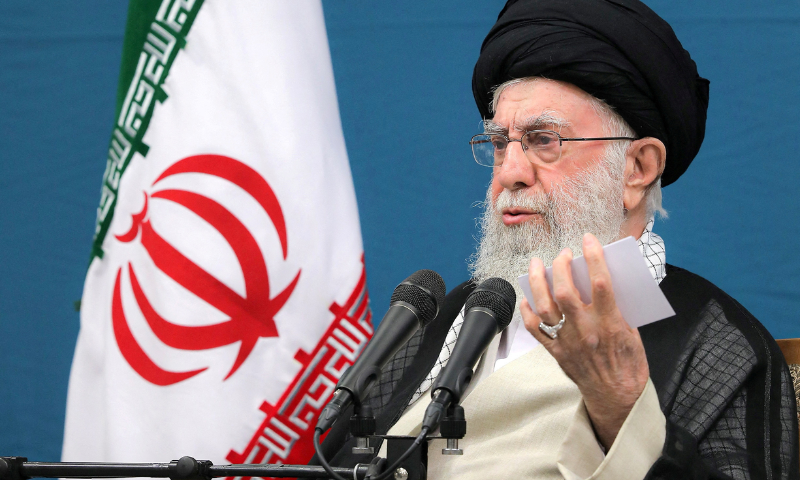
ISLAMABAD: Iran’s Supreme Leader Ayatollah Ali Khamenei was killed in a joint US–Israeli strike, Iranian state media reported. He was 86.
The announcement came in the early hours of Sunday after US President Donald Trump said Khamenei had been killed in an air strike targeting his compound on Saturday.
“It is announced to the Iranian people that His Eminence Grand Ayatollah Imam Sayyid Ali Khamenei, Leader of the Islamic Revolution, was martyred in the joint attack launched by America and the Zionist regime,” Iran’s semi-official Tasnim News Agency reported.
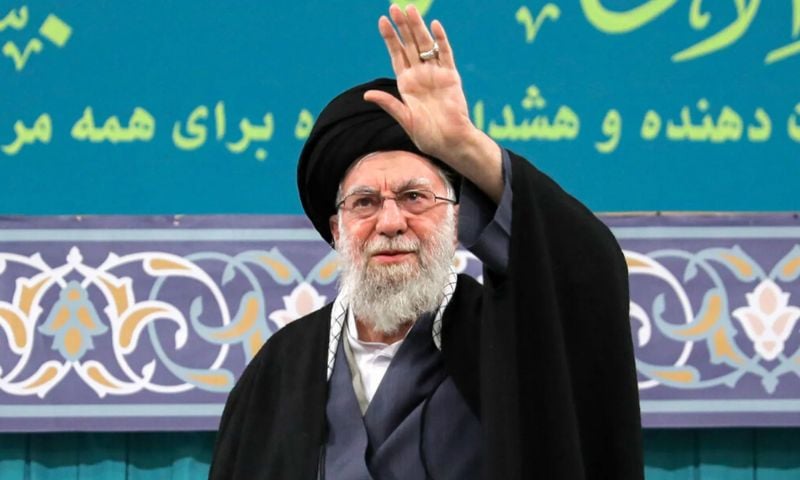
Under Iran’s constitution, the Assembly of Experts is tasked with appointing a successor.
Article 111 provides that, in the interim, a temporary council comprising the President, the Head of the Judiciary, and a senior cleric from the Guardian Council will assume leadership duties until a new Supreme Leader is appointed.
From Revolution to Supreme Leadership
Born in 1939 in the holy city of Mashhad, Khamenei was educated in seminaries in Mashhad, Najaf, and Qom. In Qom, he studied under Ayatollah Ruhollah Khomeini, who would later lead the 1979 Islamic Revolution.
Repeatedly arrested and exiled by the shah’s secret police, SAVAK, Khamenei emerged as a committed revolutionary cleric. Following the fall of the Pahlavi monarchy, he emerged as a pivotal figure in shaping the new Islamic Republic.
In 1981, he survived an assassination attempt that left his right arm paralysed. The same year, he became Iran’s first clerical president, leading the country during the Iran–Iraq war. The eight-year conflict, which killed more than a million people, profoundly shaped his worldview.
When Khomeini died in 1989, Khamenei was appointed Supreme Leader after constitutional revisions lowered the clerical qualifications required for the post. Though he initially described his leadership as potentially “symbolic,” it became anything but.
The War That Defined Him
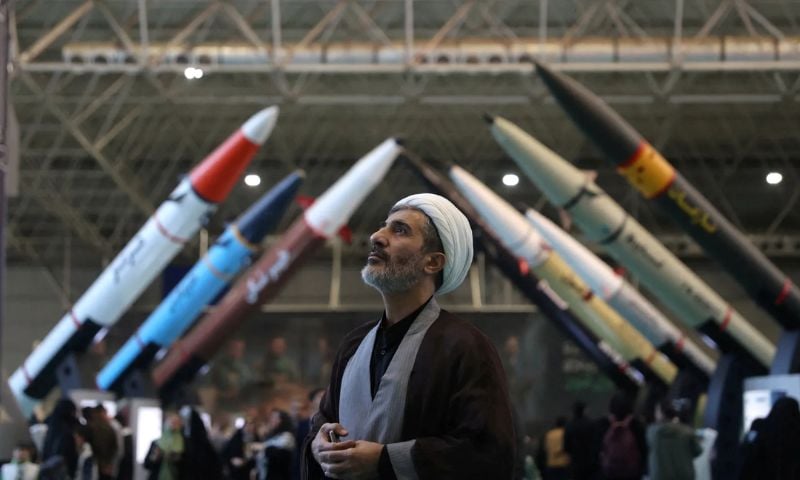
Khamenei’s outlook was forged in war. As president, he frequently visited the front lines, building close ties with the Islamic Revolutionary Guard Corps (IRGC).
The war deepened Iran’s resentment toward Western powers, particularly the United States, which many Iranians believed had supported Iraqi leader Saddam Hussein.
Once Supreme Leader, Khamenei prioritised strengthening Iran’s military and paramilitary capabilities, preparing the country for what he viewed as permanent external threats.
Consolidating Power at Home
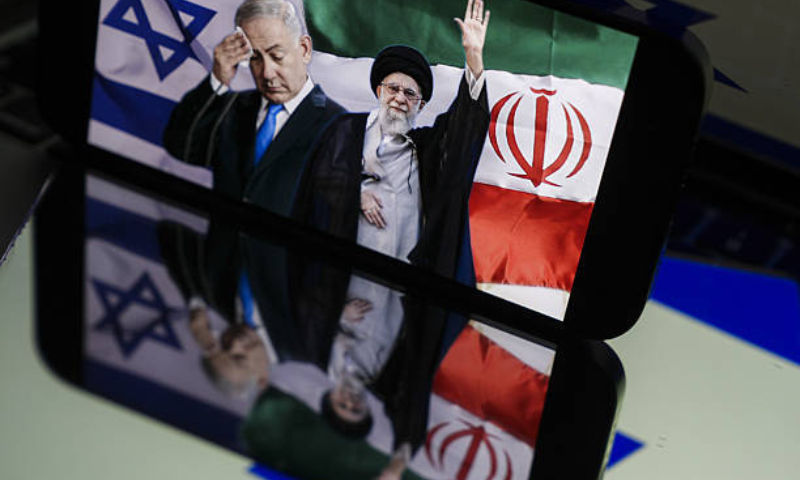
Throughout the 1990s and 2000s, Khamenei faced growing calls for reform. The landslide election of reformist President Mohammad Khatami in 1997 signalled public desire for engagement with the West.
The 2009 Green Movement, triggered by disputed election results favouring Mahmoud Ahmadinejad, marked one of the greatest challenges to his rule.
Further unrest followed fuel price hikes in 2019 and the 2022 protests over Mahsa Amini’s death. Each time, Khamenei framed the upheaval as foreign-backed attempts to undermine Iran’s sovereignty.
Pragmatism and the Nuclear Deal
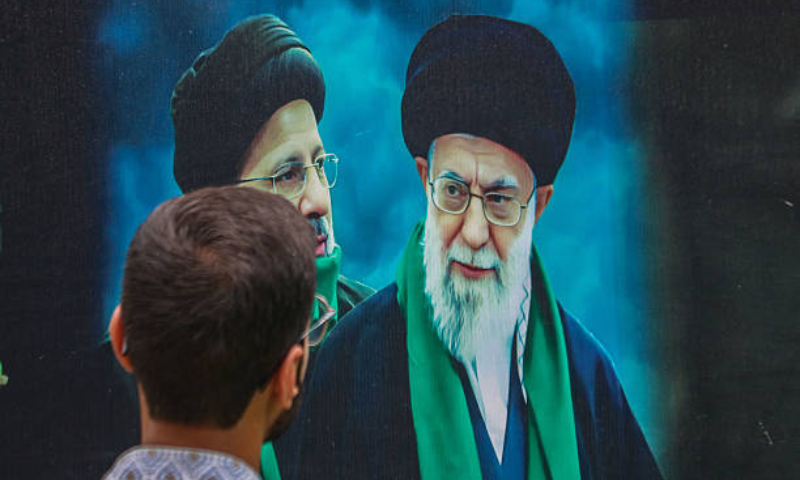
Despite his hardline image, Khamenei was also pragmatic when necessary. In 2015, he authorised negotiations that led to the Joint Comprehensive Plan of Action (JCPOA), easing sanctions in exchange for limits on Iran’s nuclear programme.
However, after Trump withdrew the United States from the deal in 2018, Khamenei hardened his stance.
Iran resumed higher levels of uranium enrichment, while insisting its programme remained civilian. He maintained a long-standing religious decree prohibiting nuclear weapons.
The “Axis of Resistance”
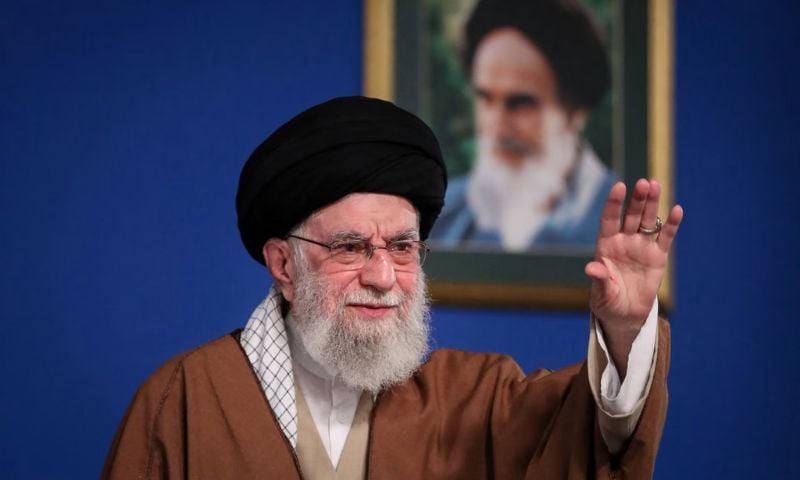
Khamenei’s most consequential foreign policy project was constructing a regional network known as the “axis of resistance.”
Under the stewardship of IRGC commander Qassem Soleimani, Iran deepened ties with Hezbollah in Lebanon, Hamas in Palestine, armed groups in Iraq, the Houthis in Yemen, and Syria under Bashar al-Assad.
This “forward defence” doctrine sought to deter US and Israeli pressure by extending Iran’s strategic reach beyond its borders.
But the network weakened after regional upheavals, targeted assassinations, and sustained conflict with Israel. By the mid-2020s, Iran’s position faced mounting strain.
Final Confrontation
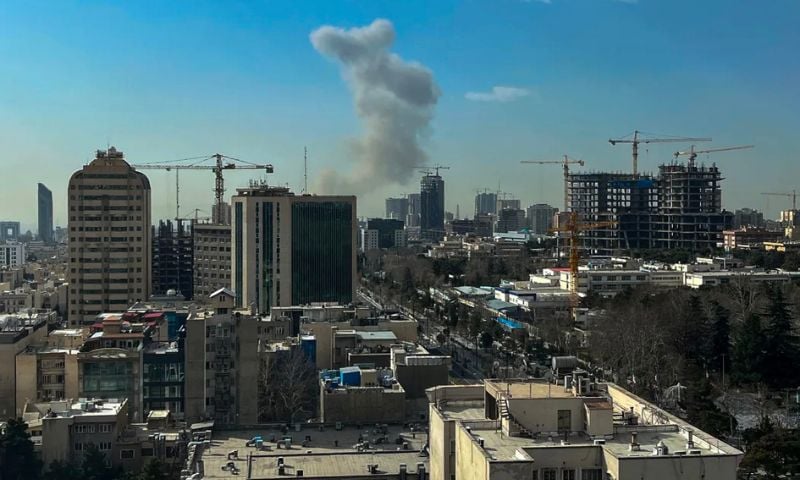
Tensions escalated sharply as negotiations over Iran’s nuclear programme stalled. The United States deployed its largest regional military presence since the 2003 Iraq invasion.
On February 28, Trump announced the launch of a “major combat operation” against Iran, openly calling for regime change.
“The hour of your freedom is at hand,” Trump said in an address directed at the Iranian people.
Khamenei responded defiantly, warning that any US military intervention would cause “irreparable damage.”
His death now marks the end of an era that defined Iran’s domestic and foreign policy for more than three decades.
Legacy
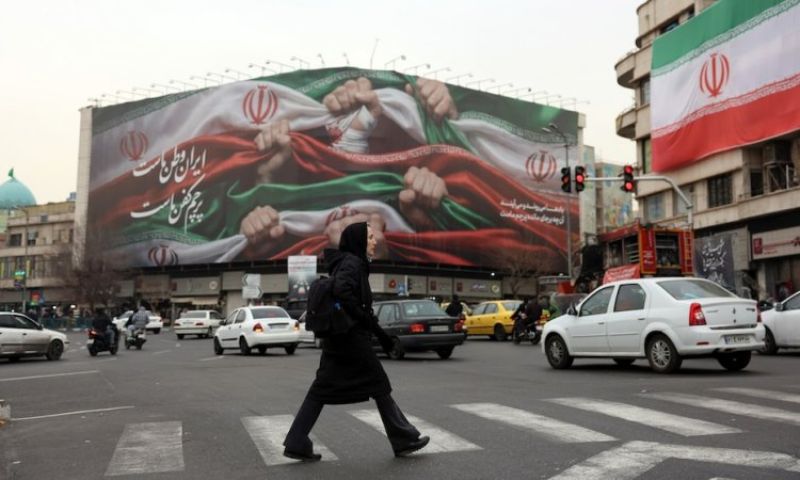
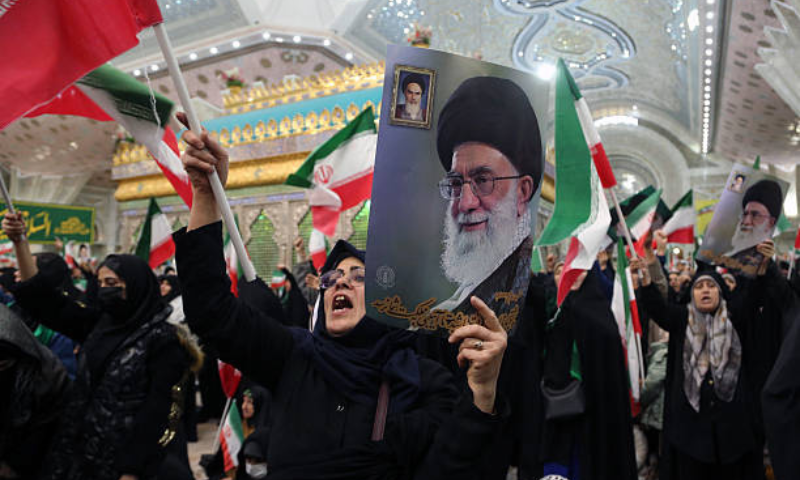
To supporters, Khamenei embodied steadfast resistance and national independence. To critics, his rule entrenched isolation, economic hardship, and political repression.
Few leaders have so profoundly shaped modern Iran. His tenure spanned reformist waves, mass protests, nuclear diplomacy, sanctions, regional wars, and deepening confrontation with the West.
With his passing, Iran enters a new and uncertain chapter — one that will test the very system he spent a lifetime consolidating.