QUETTA, Pakistan: Pakistani religious scholars have called for religious harmony, tolerance, and peace in Balochistan, emphasising that lasting solutions to the province’s challenges lie in dialogue and reconciliation.
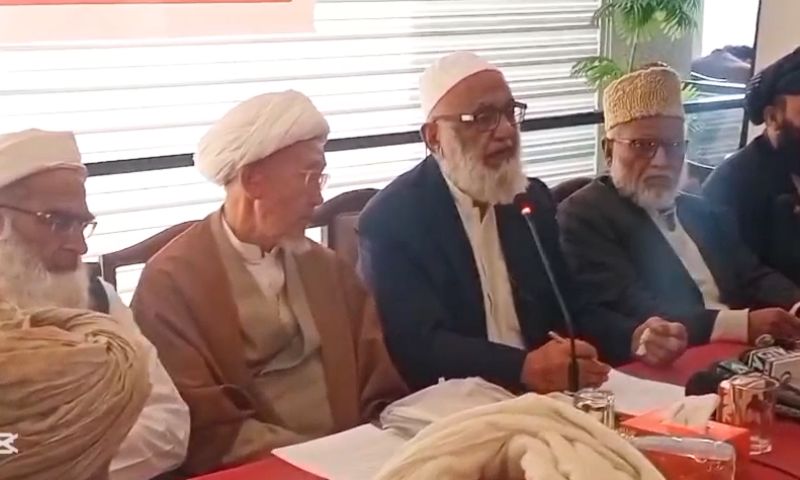
Speaking at a joint press conference following a seminar titled “Restoring Peace in Balochistan and Confidence-Building: The Institutional Responsibilities of Ulema and Mashaykh”, the Ulema underlined Islam’s strict prohibition on violence against civilians.
Among the speakers were Maulana Dr Ata ur Rehman, Allama Muhammad Juma Asadi, Maulana Anwar-ul-Haq Haqqani, and Qari Abdul Rehman Noorzai.
Joint declaration
The religious scholars issued a joint statement expressing deep sorrow over the ongoing violence and loss of innocent lives in Balochistan.
“In Islam, the sanctity of human life is absolute,” the statement read.
“The killing of civilians, labourers, travellers, or security personnel is forbidden and falls under fasad fil ard — spreading corruption and disorder on earth.”
The declaration categorically rejected terrorism, armed rebellion, and attacks on public infrastructure, noting that such acts have no justification in Islam, regardless of any political or ethnic claims.
The Ulema emphasised that the religion does not permit individuals or groups to declare jihad or resort to violence in its name.
While acknowledging the genuine grievances of Balochistan’s people, including issues related to justice, development, and a dignified life, the scholars urged that these must be addressed through peaceful, lawful, and moral means rather than violence that perpetuates instability.
Appeal to youth
The clerics appealed to the youth to reject militancy and pursue education, patience, and constructive action.
They also called on the state to ensure justice, human dignity, and dialogue in resolving public grievances.
“Islam rejects terrorism, oppression, and injustice alike. The future of Balochistan lies in peace, reconciliation, and justice — not in violence,” the statement added.
Condemning foreign interference
The scholars further criticised foreign interference in the province, alleging that external actors sought to create divisions, hatred, and mistrust to destabilise Pakistan, Afghanistan, and Iran.
They specifically pointed to India’s role, referencing Pakistan’s longstanding claims that New Delhi sponsors terrorism in Balochistan through groups such as Fitna al Hindustan.
The clerics condemned these actions and called for national unity to counter external efforts to foment instability.
Religious duty to promote peace
Citing the Holy Quran, the Ulema stressed that peacemaking between disputing parties is a religious duty.
They reaffirmed their readiness to contribute to restoring peace and stability in Balochistan.
“Balochistan’s leading ulema and mashaykh stand ready to shoulder any responsibility assigned to them for the restoration of peace in the province,” the statement said.