ISLAMABAD: India’s Supreme Court has cleared a multi-billion-dollar infrastructure project on Great Nicobar Island, which has intensified debate over development in one of South Asia’s most ecologically and socially sensitive regions.
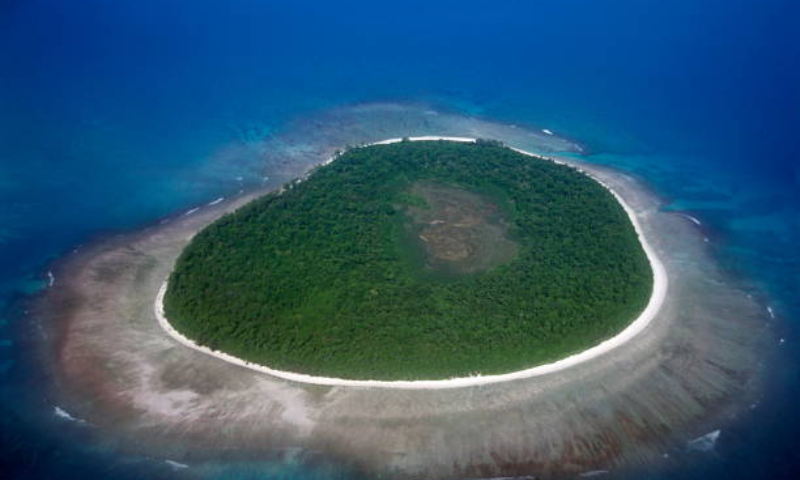
The island is part of the Andaman and Nicobar Islands, an archipelago known for its rich biodiversity, dense tropical rainforests, coral reefs, and mangrove systems. Great Nicobar itself lies within a globally recognised biodiversity hotspot and includes protected forest areas and coastal ecosystems that are highly vulnerable to disturbance.
Environmentalists say the scale of the project poses exceptional risks. Great Nicobar lies within a globally recognised biodiversity hotspot and is home to endemic plant and animal species found nowhere else, including nesting grounds for endangered leatherback sea turtles.
At the heart of the project is a proposed trans-shipment port, airport, power plant, and township intended to transform the island into a strategic maritime and logistics hub.
The site is near the Malacca Strait, one of the world’s busiest shipping corridors, giving it significant geopolitical importance.
Critics warn that large-scale forest diversion and coastal construction could fragment wildlife corridors, damage coral reefs and disrupt delicate marine ecosystems. The island sits in a high seismic zone and was severely impacted by the 2004 Indian Ocean tsunami, raising concerns about long-term disaster vulnerability.
Some ecologists have also questioned the transparency and adequacy of environmental impact assessments, arguing that cumulative ecological stress and biodiversity loss may have been underestimated.
Great Nicobar is home to endemic plant and animal species found nowhere else, alongside nesting grounds for endangered marine turtles. Large-scale land clearing and coastal construction could disrupt forest corridors, damage coral reefs, and alter sediment flows critical to marine life.
The islands are also located in a high seismic zone and were severely affected during the 2004 Indian Ocean tsunami. Critics warn that intensive infrastructure expansion in such a disaster-prone landscape raises additional long-term safety and environmental concerns.
Indigenous rights concerns
Beyond ecology, the project touches on sensitive social dimensions.
The island is inhabited by the Shompen — classified as a Particularly Vulnerable Tribal Group — as well as the Nicobarese community. Indigenous rights advocates caution that increased outside population influx, habitat fragmentation, and urbanisation could threaten traditional lifestyles protected under Indian law.
Experts have warned that greater contact with outside populations could expose indigenous communities to health risks and cultural disruption.
Economic and strategic debate
Beyond environmental issues, analysts have raised questions about the economic viability of the proposed trans-shipment port, citing competition from established regional hubs and the logistical challenges of operating in a remote island setting.
Despite these concerns, the court allowed the project to proceed while emphasising regulatory compliance and environmental monitoring safeguards.
The ruling now shifts attention to how authorities will implement mitigation measures in a region widely regarded as one of India’s most environmentally fragile frontiers — balancing strategic ambitions with ecological preservation and the rights of indigenous communities.