
KEY POINTS
- Power regulator withdraws proposed revisions to rooftop solar net-metering
- Govt signals broader consultations before any future policy shift
- Solar industry and consumers had warned of an investment slowdown
- Decision seen as critical for renewable growth and energy security
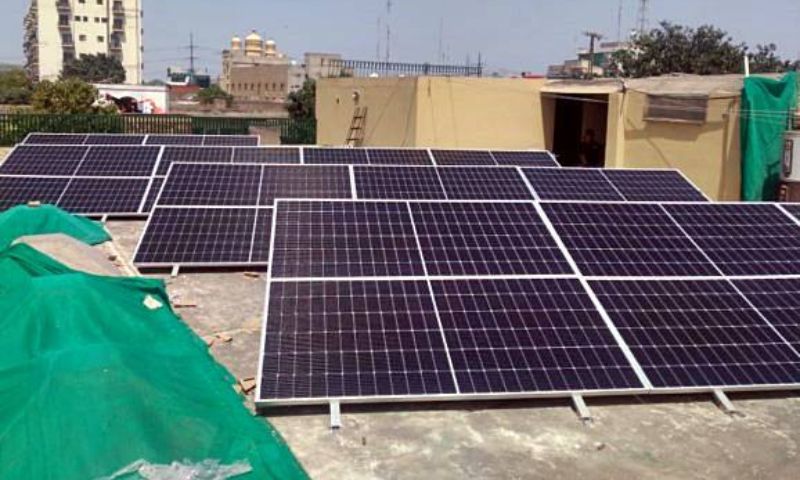
ISLAMABAD: Pakistan has reversed proposed changes to its rooftop solar net-metering regulations following strong public and industry opposition, reinstating the earlier framework that allows households and businesses to sell surplus electricity back to the national grid at previously determined formula and rates.
The decision was confirmed by the National Electric Power Regulatory Authority, which said the existing net-metering regime would remain in place pending comprehensive stakeholder consultations.
The regulator acknowledged widespread concern over the potential financial implications of the proposed amendments.
The withdrawn revisions had sought to adjust the buyback tariff for surplus electricity generated by rooftop solar users.
Consumer advocacy groups, renewable energy firms and business chambers argued that the move would significantly reduce the financial viability of small-scale solar installations at a time when electricity tariffs have risen sharply.
Over the past two years, Pakistan has witnessed a rapid expansion in distributed solar capacity.
Households and commercial users have increasingly turned to rooftop solar systems to manage soaring tariffs of grid electricity and persistent supply disruptions.
Falling global prices for photovoltaic panels and inverters have further accelerated the adoption.
Under the current net-metering structure, consumers who install solar panels can offset their electricity bills by exporting excess generation to the grid.
Net metering allows unit-to-unit exchange, while net billing deals with consumption and production (by rooftop solar) of electricity separately.
Therefore, the net metering system has been widely viewed as a practical mechanism to promote decentralised clean energy in a country heavily reliant on imported fossil fuels.
Industry representatives had warned that sudden regulatory shifts risked undermining investor confidence.
Solar installers reported that new orders slowed after news of the proposed changes emerged, as prospective buyers adopted a wait-and-see approach.
Financial institutions had also expressed caution regarding lending to rooftop solar projects amid regulatory uncertainty.
Government officials have indicated that concerns about the financial sustainability of state-run power distribution companies partly motivated the proposed revisions.
Distribution utilities argue that rapid growth in net-metered consumers reduces their revenue base, leaving fewer contributors to cover the fixed costs of grid maintenance.
They maintain that this dynamic shifts the financial burden to non-solar consumers.
Energy economists, however, contend that distributed solar generation can reduce overall system costs by lowering peak demand and cutting fuel imports.
Pakistan’s electricity generation mix remains significantly dependent on imported oil, liquefied natural gas and coal.
Volatility in global energy markets has repeatedly strained the country’s foreign exchange reserves and contributed to inflationary pressures.
The rollback is being interpreted by analysts as a signal that policymakers recognise the strategic importance of renewable energy in stabilising the power sector.
Pakistan has set renewable energy targets aimed at increasing the share of clean sources in its electricity mix over the coming decade.
Achieving those targets will require sustained private investment and regulatory predictability.
The regulator stated that any future amendments to net-metering rules would follow a structured engagement with consumers, provincial governments, industry stakeholders and distribution companies.
Officials emphasised that reforms must balance the financial health of utilities with incentives necessary to encourage the adoption of clean energy.
For households and small enterprises that have invested significant capital in rooftop installations, the restoration of the earlier framework provides immediate relief.
Many installations were financed through personal savings or bank loans calculated on the assumption of stable buyback rates.
Policy experts note that the broader challenge for Pakistan lies in addressing structural inefficiencies in its power sector, including circular debt and transmission losses, without discouraging innovation in renewable energy.
They argue that abrupt regulatory changes can erode trust and slow momentum in emerging sectors.
The episode highlights the delicate balance emerging economies face while seeking to transition toward cleaner energy sources.
As electricity demand grows and climate risks intensify, regulatory clarity and policy consistency are likely to remain central factors to sustaining investor confidence and consumer participation in distributed renewable systems.