Key Points
- Aggregate losses at state-owned companies decline for third consecutive year
- Government support to public enterprises balanced by inflows from dividends, taxes, and interest
- Governance reforms include independent board members, audits, and scorecards
- Privatisation of 26 public enterprises underway, including banks, airline, and utilities
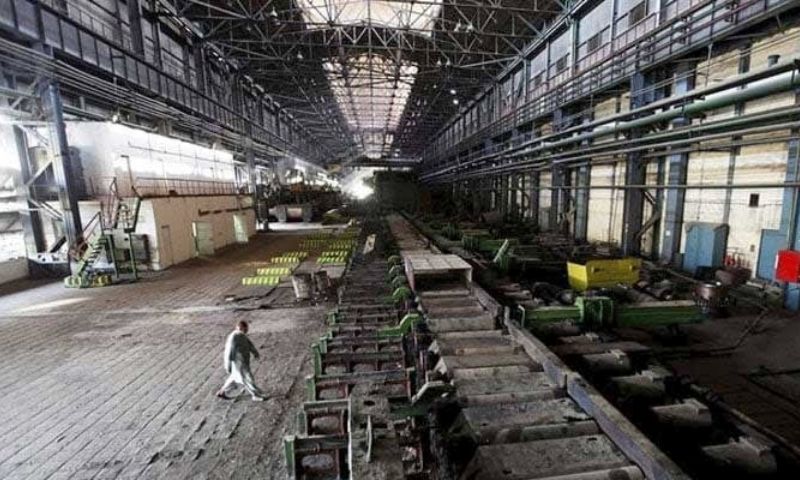
ISLAMABAD: Pakistan’s state-owned companies have reported a decline in aggregate losses over the past three fiscal years, as the government gears up a comprehensive plan of governance reforms, closures, and privatisations aimed at curbing fiscal drains and increasing transparency, according to the Finance Minister.
Presenting the annual “State Institutions’ Annual Performance Report,” Finance Minister Senator Muhammad Aurangzeb said the process was initiated in 2019 and analysed over the past two and a half years. It provides a detailed overview of the performance of all federal public enterprises. The report is part of the government’s ongoing effort to publicly share data with Parliament and citizens, in improving accountability.
According to the report, aggregate losses declined from Rs 905 billion in 2023 to Rs 851 billion in 2024 and Rs 832 billion in the last year, a reduction of Rs 74 billion, equivalent to nearly Rs 142 million saved daily. The Minister stated that some companies, notably in the oil and gas sector, remain profitable; however, lower global oil prices have impacted overall profits, the official noted.
He emphasised that government support of Rs 2.078 trillion last year was offset by Rs 2.119 trillion in inflows from dividends, taxes, and interest payments, resulting in a net positive return of Rs 40 billion. “It is not a one-sided story,” he said, adding that many losses stem from decades of accumulated inefficiencies.
The government has introduced governance measures, including independent private-sector board members, mandatory external audits, and governance scorecards to track compliance. The Finance Ministry’s corporate finance unit is now evaluating the business plans to support forward-looking analysis.
Several underperforming institutions have been closed or are in the process of being wound down, including the Public Works Department, Utility Stores Corporation, Pakistan Agriculture and Storage Corporation (PASCO), and SME (Small and Medium Enterprise) Bank. The affected employees of these state-owned entities would receive severance packages.
A broad privatization agenda is underway, encompassing 26 public enterprises. Notable moves include the privatisation of First Women Bank, Pakistan International Airlines, ZTBL, House Building Finance Company, and five electricity distribution companies. Sell-side advisors, including Alvarez and Marsal and a Turkish investment bank, have been appointed to support the process. Decisions progress from the Cabinet Committee on State Companies to the Cabinet Committee on Privatisation, with final approval from the Prime Minister and Cabinet.
These measures aim to strengthen governance, protect public resources, and gradually move weak public enterprises into private hands while maintaining transparency.