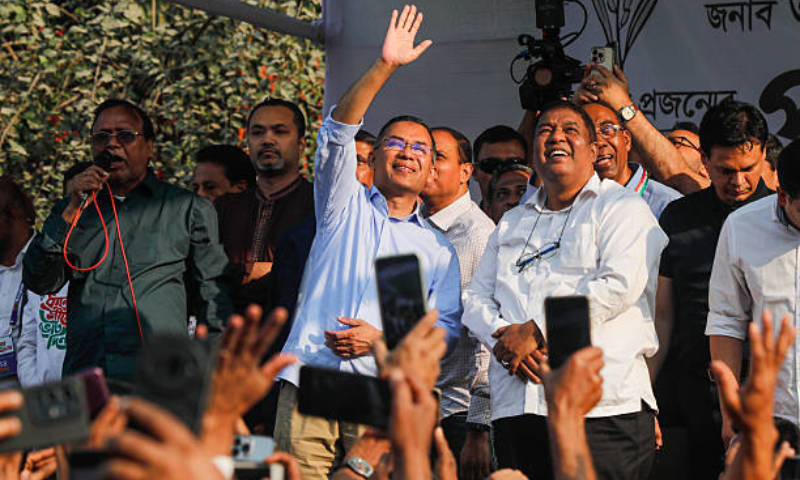
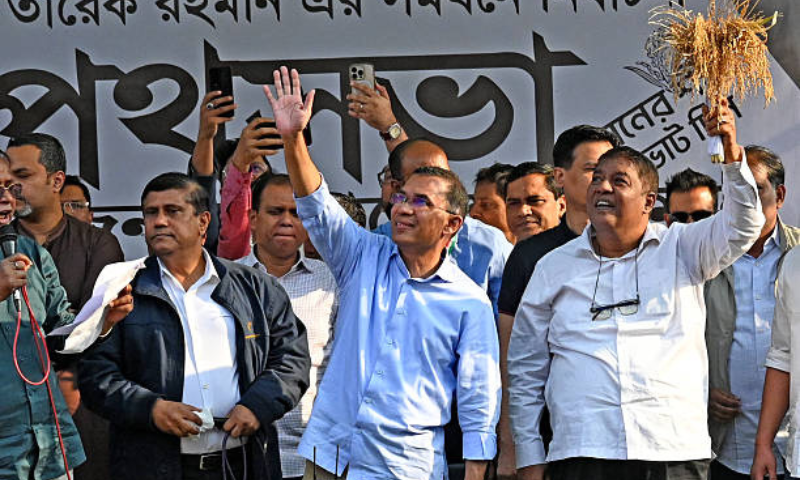
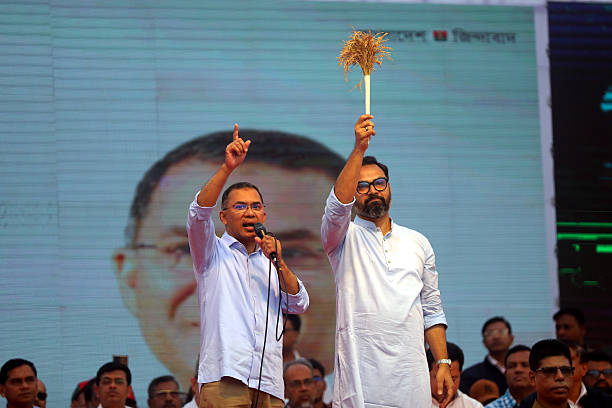
DHAKA: The Bangladesh Nationalist Party (BNP) has been officially declared the winner of the country’s general elections, marking the first national vote since the 2024 uprising that ousted former prime minister Sheikh Hasina.
Akhtar Ahmed, senior secretary of the Bangladesh Election Commission, told reporters in Dhaka on Friday that the BNP secured 209 seats, surpassing the two-thirds majority threshold in the 300-seat parliament, while the party and its allies won a combined total of 212 seats.
Ahmed said Jamaat-e-Islami won 68 seats and, together with its 10 allies, will hold 77 seats in the new parliament. The BNP and its allies secured a combined total of 212 seats.
However, Jamaat-e-Islami raised concerns over the vote-counting process and warned it could stage protests if alleged irregularities were not addressed.
According to the Election Commission, voter turnout stood at 59.44 percent, significantly higher than the 41.8 percent recorded in the January 2024 elections, which were boycotted by the BNP-Jamaat opposition.
More than 127.6 million people were eligible to vote in Thursday’s election.
Hasina’s Awami League party was barred from contesting the election, while its longtime ally, the Jatiya Party, failed to win a single seat. Eight additional seats were won by independents and smaller parties. Elections in three constituencies were postponed, according to officials. Hasina, 78, sentenced to death in absentia for crimes against humanity, issued a statement from hiding in India, where she called the vote an “illegal and unconstitutional election”.
Early on Friday, the BNP claimed a two-thirds majority but urged supporters to refrain from holding public celebrations.
Reform Charter Approved
Alongside parliamentary elections, voters also took part in a referendum on the so-called July Charter, a sweeping reform blueprint drafted by the interim government’s National Consensus Commission.
Election officials said the charter was overwhelmingly approved, with more than 48 million voters supporting it.
The proposed reforms include introducing term limits for the prime minister, expanding presidential powers, strengthening judicial independence, increasing women’s representation, and enhancing fundamental rights.
Under the referendum framework, the newly elected parliament must implement the reforms within a fixed timeframe — 180 working days or 270 calendar days. Had the charter been rejected, adoption would have remained at the government’s discretion.
The July Charter, named after the summer 2024 protest movement, was endorsed by 24 political parties last October, although some provisions remain contentious.
The 2024 demonstrations that led to Hasina’s removal resulted in up to 1,400 deaths, according to United Nations data. In November last year, Hasina was sentenced to death in absentia for crimes against humanity related to the crackdown.
The 300-seat parliament also includes 50 additional seats reserved for women, allocated proportionally based on each party’s vote share.
Despite isolated incidents, officials described Thursday’s vote as largely peaceful, though at least nine deaths were reported nationwide due to various incidents.