
Key Points
- Pakistan has adopted a T+1 settlement cycle at the Pakistan Stock Exchange
- Reform allows trades to be completed one day after execution instead of two
- Move is expected to improve liquidity and reduce financial risk
- Change brings Pakistan closer to international market standards
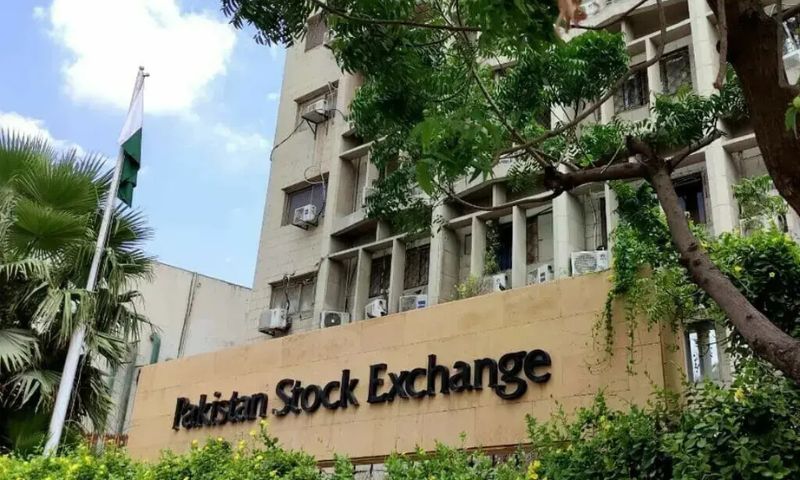
ISLAMABAD: Pakistan has implemented a faster system for completing stock market trades, a reform aimed at improving efficiency, lowering risk and strengthening investor confidence in the country’s financial markets.
Effective February 9, all eligible transactions at the Pakistan Stock Exchange (PSX) are now settled on a Trade plus one (T+1) basis, meaning buyers receive securities and sellers obtain funds one business day after a trade is executed. Previously, the process took two days under the T+2 cycle.
The transition was carried out under the supervision of the Securities and Exchange Commission of Pakistan (SECP) in coordination with key financial institutions, including the PSX, the National Clearing Company of Pakistan Limited and the Central Depository Company.
Shorter settlement cycles are widely viewed as safer because they reduce the time during which a transaction could fail due to payment or delivery issues. Faster completion of trades also allows investors to reuse their funds more quickly, improving overall market liquidity.
With the move, Pakistan joins markets such as the United States, Canada, China and Mexico that have already adopted accelerated settlement systems. Several European markets, including the United Kingdom and Switzerland, are expected to transition by 2027, placing Pakistan ahead of some advanced economies in adopting the reform.
SECP Chairman Dr Kabir Ahmed Sidhu praised the institutions involved for executing the transition smoothly, saying the change accelerates trade settlement, reduces counterparty and market risks, and enhances liquidity. He added that the reform will help strengthen investor confidence and align Pakistan’s capital market with evolving international standards.
Regulators view the shift as part of a broader effort to modernise Pakistan’s capital markets, limit systemic vulnerabilities and improve protections for investors, particularly as the country seeks to attract greater institutional and foreign participation.