
Key points
- Kite-filled skies revive collective memory and cultural nostalgia.
- Authorities allowed festival under strict safety regulations.
- Glass-coated kite strings officially banned citywide.
- Police patrolled rooftops and high-risk neighbourhoods.
- Emergency medical teams were deployed across Lahore.
- Vendors monitored to enforce safety compliance.
- Residents celebrated cautiously, balancing joy with fear.
- Parents remained anxious recalling past Basant accidents.
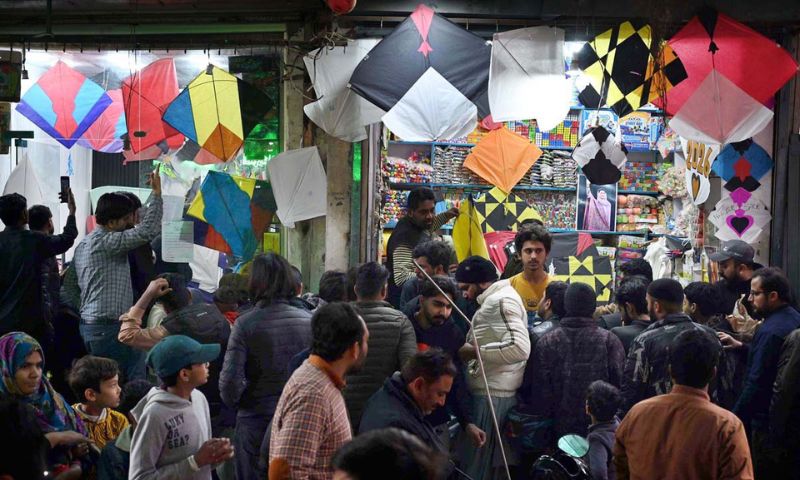
LAHORE, Pakistan: Basant, the centuries-old spring festival traditionally celebrated with kite flying to mark the end of winter and the arrival of spring, returned to Lahore after a 25-year pause.
The city’s sky was once again dotted with a rainbow of kites, swooping and dancing against the winter sun. For many, Basant is more than a festival; it is a tapestry of memories of childhood rooftops, shared laughter, and the thrill of seeing the city come alive in vibrant colour.
But as Lahore celebrates its return, the festival also walks a tightrope, testing the city’s ability to balance nostalgia with modern-day safety.
Where memories fly
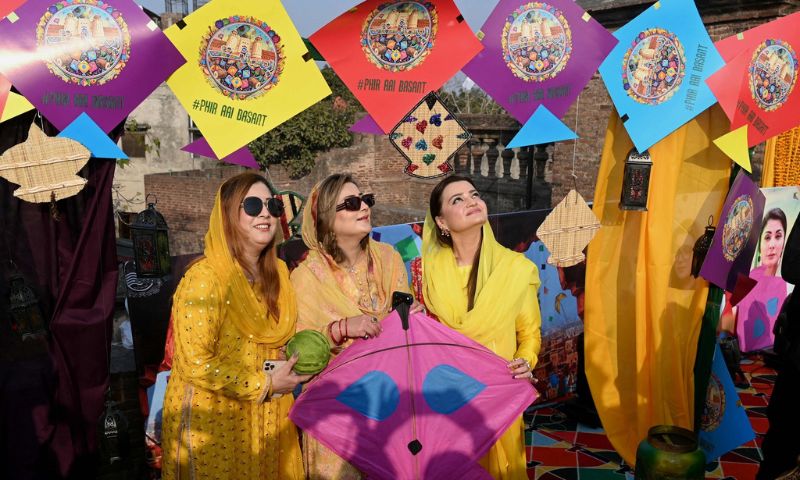
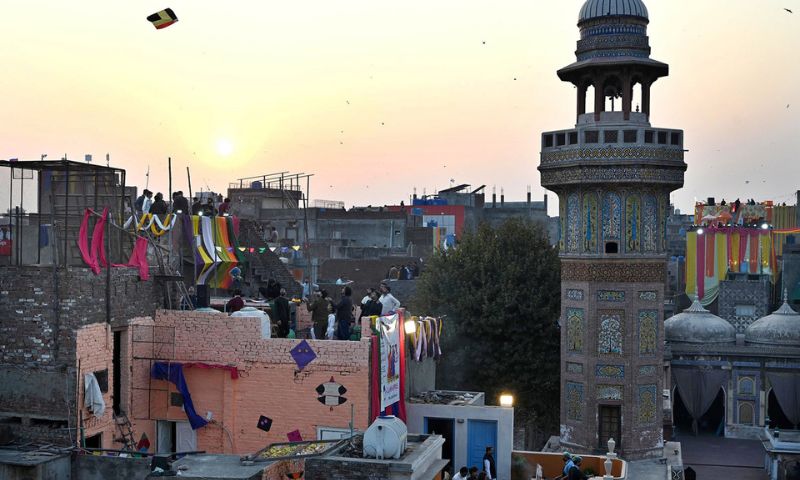
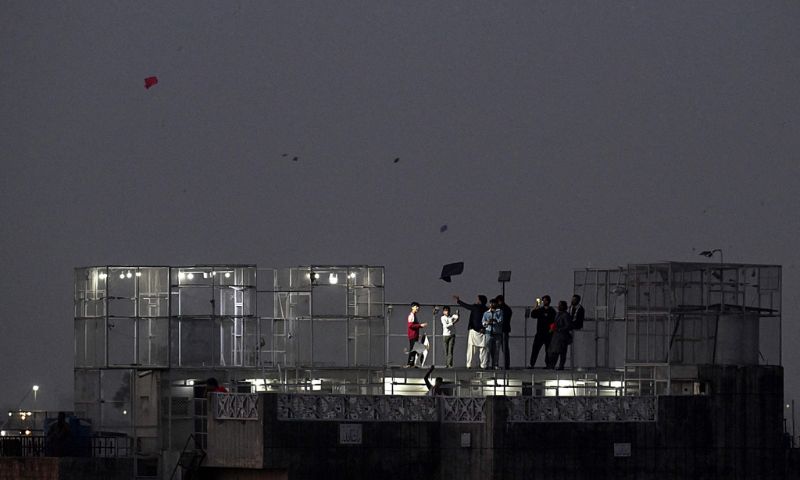
On the rooftops of Andaroon Lahore — the centuries-old interior city —dozens of kite enthusiasts gathered before sunrise, their fingers sticky with glue, their eyes fixed on the horizon.
“I’ve waited two decades to see the sky full of colours again,” says Ali Raza Issac, 32, a long-time kite flyer. “Basant is not just fun; it runs in our blood.”
Around him, children clutch new kites, and older men inspect long reels of string, ensuring they are strong enough to lock horns with neighbours across rooftops.
Yet Basant is no longer the carefree celebration it once was. In its heyday, the festival drew massive crowds, but also left scars behind. Kite strings coated with glass or metal, known locally as manja, often caused injuries or worse. In 2005, after a series of accidents and electrocutions, city authorities banned the festival entirely. Today, those hard lessons still cast a long shadow.
Rules above rooftops
The memories of the past are beautiful, but they also remind us why Basant was stopped,” says Dr Hira Rafique, an emergency physician at Mayo Hospital, Lahore.
“Every year, we used to see dozens of patients with lacerations, falls, or even electrocutions. Bringing Basant back meant we had to rewrite the rulebook on safety.”
This year, the city has tried a carefully calibrated middle path. Rooftop kite flying was allowed, but with strict safety measures: glass-coated strings were banned, police patrols were on high alert, and certain areas near power lines remained cordoned off. Vendors selling kites and strings were being monitored, and emergency medical teams were stationed strategically across neighbourhoods.
Even with precautions, reactions among residents are mixed.
I understand why people are excited. But I’m still worried. You see, kids can get hurt so quickly. I’ve lived through the old Basant. It was beautiful but dangerous,” says Ayesha Malik, a mother of two from Gulberg.
Across the street, a group of teenagers prepares their kites with neon colours, laughing and teasing each other. “Safety is important, of course,” one says, “but this is what Lahore waits for every year.”
Tradition takes flight
Cultural historians point out that Basant is more than a festival; it mirrors Lahore’s soul. “Basant was banned, but it never disappeared from memory,” explains Azba Arshad, a researcher at the University of the Punjab, Lahore.
“It is part of the city’s collective imagination. Its return shows how traditions can be adapted rather than erased, striking a balance between heritage and contemporary realities.”
Shahroz, a 27-year-old youth, travelled from Faisalabad to Lahore for Basant. He came to the city with friends solely to celebrate the festival.
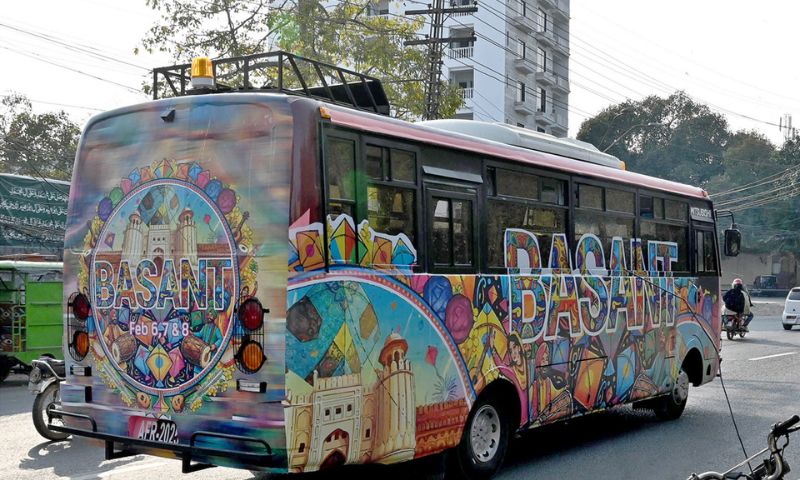
People across Pakistan and abroad travel to Lahore just to enjoy Basant, and on Monday morning, bus stations were full of passengers returning home, back to their destinations, says Sadia Miraj, an educationist at the Punjab Education Foundation, who had spent the festival days in her hometown of Gujranwala and witnessed the rush upon her return to Lahore.
Eyes on safety
Social media too buzzed with both excitement and caution. Hashtags like #Basant2026 and #LahoreKites were filled with videos of colourful skies and rooftop preparations, but also warnings from civic authorities urging restraint.
In one striking scene, a group of children skilfully manoeuvred a giant kite while an elder supervised from the edge of the roof — picture-perfect blend of nostalgia and safety-conscious celebration.
Despite these efforts, authorities remain vigilant. “Our priority is public safety,” says an official of the Lahore City Police.
“We’ve learned from the past. Basant is back, but we cannot allow the same risks that existed before. We’re monitoring high-risk areas and working with residents to ensure everyone plays by the rules.”
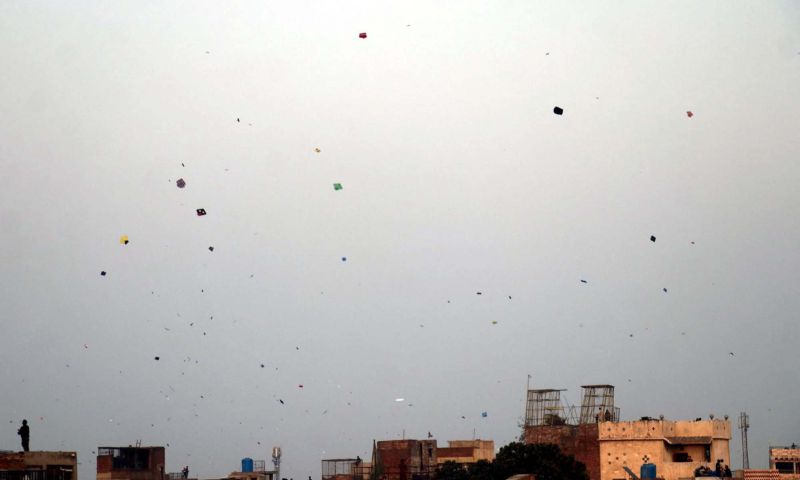
For the people of Lahore, the festival became a delicate dance between past and present. Rooftops that once echoed with unbridled cheering now hum with careful preparation. Vendors who used to sell dangerous manja now display colourful, safe alternatives. And amid the caution, the city is still alive with the energy of Basant — the laughter, the kite battles, and the thrill of watching colours dart across the skyline.
I feel like a child again. Twenty years of waiting, and this is our moment. But yes, we’re careful this time. We want Basant to be remembered for joy, not accidents,” says Fatima Shah, 28, another kite enthusiast, pointing to her kite cutting across the sky.
Looking back, ahead
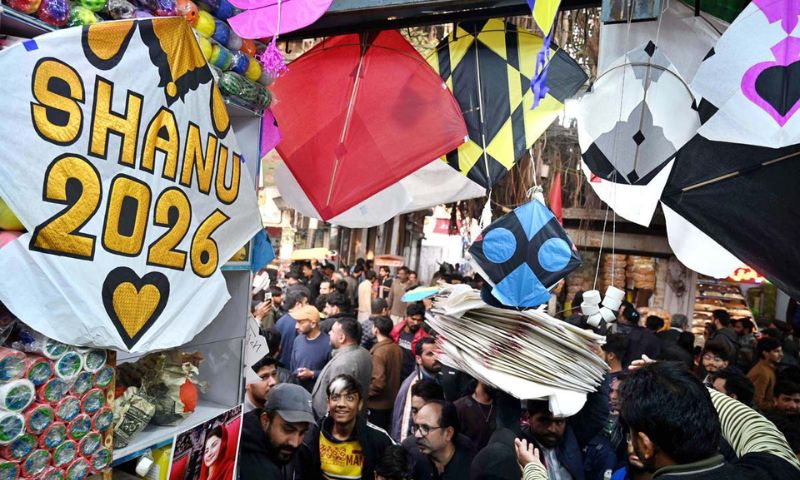
The return of Basant in 2026 is more than a festival — it is a city holding a mirror to itself, testing its memory against the realities of modern life. Lahorites are proving that nostalgia can coexist with caution, that tradition can be celebrated responsibly, and that even after 20 years, the sky can be filled with hope, colour, and connection.
As the Sunday evening fell, the sky gradually thinned of kites, briefly streaked with trails of orange, pink, and blue. Though the festival, which began on Friday, was officially set to end that night, the city was already preparing to return to routine.
By dawn, rooftops that had buzzed with cheers fell silent, with children reluctantly packing away their strings and parents breathing a sigh of relief, mindful that Monday was a working day.
For a fleeting window of time, Lahore remembered what it meant to celebrate without restraint — to laugh freely, to look up, and colours ruled the sky. The challenge now, the residents say, is to ensure that this revived tradition — and the hard-earned lessons of safety that came with it — remain firmly aloft in the years ahead.