
KEY POINTS
- Iconic spots like Mount Fuji and Kyoto are buckling under the strain of overcrowding and visitor misconduct.
- The decision highlights a nationwide conflict between Japan’s tourism boom and community life.
- The move represents a drastic local intervention to prioritise resident dignity over promotion.
- Over 42 million visitors in April 2025 have pushed popular destinations beyond capacity.
FUJIYOSHIDA, Japan: A celebrated spring festival offering one of Japan’s most photographed vistas will not be held this year, as a small city at the foot of Mount Fuji chooses the peace of its residents over the pressures of mass tourism.
The Fujiyoshida City Government has cancelled the annual Arakurayama Sengen Park Cherry Blossom Festival, ending a ten-year tradition.
Mayor Shigeru Horiuchi announced the decision, citing an untenable disruption to local life caused by the overwhelming influx of visitors. The festival’s cancellation spotlights the growing conflict between Japan’s booming tourism industry and the liveability of its local communities.
From postcard perfection to public nuisance
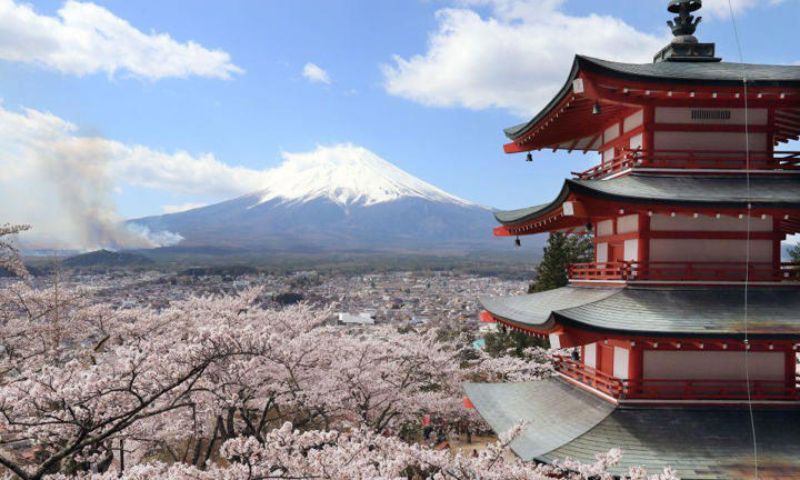
The festival, initiated in 2016, was designed to showcase the breathtaking scene of cherry blossoms (sakura) framing the snow-capped peak of Mount Fuji from the park’s iconic five-story pagoda. The view became a global social media sensation, drawing up to 200,000 visitors during the weeks-long event.
However, this ‘Instagrammable’ fame came at a severe cost. City officials detailed a cascade of complaints from residents, including chronic traffic jams, littering, trespassing on private property, and even reports of tourists defecating in residents’ gardens. The sheer volume of people threatened to overwhelm the small city’s infrastructure and social fabric.
“Behind Mount Fuji’s beautiful landscape is the reality that the quiet lives of citizens are threatened. We have a strong sense of crisis,” Mayor Horiuchi stated. “To protect the dignity and living environment of our citizens, we have decided to bring the curtain down on the 10-year-old festival.”
A symptom of Japan’s tourism boom
The situation in Fujiyoshida is a microcosm of the challenges facing Japan nationwide. The country welcomed a record 42.7 million tourists in 2025, a surge driven in part by a historically weak yen. While economically beneficial, this boom has led to overcrowding and cultural friction in hotspots from Kyoto, where tourists have harassed geisha, to the trails of Mount Fuji itself.
In response, authorities in the region have experimented with mitigation measures, including erecting view-blocking barriers at popular photo spots, introducing mandatory hiking fees, and capping the number of climbers on Mount Fuji. Fujiyoshida’s decision to cancel its flagship festival represents one of the most drastic local interventions to date.
The search for sustainable tourism
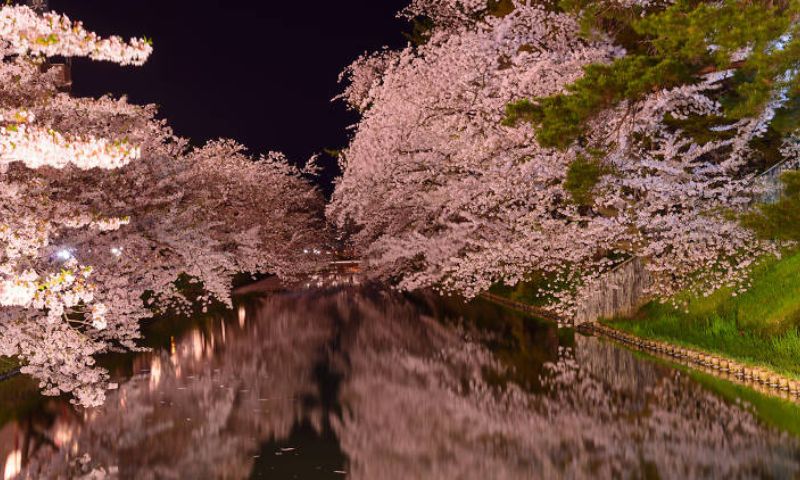
While the organised festival is cancelled, the city acknowledges that the park itself, as public land, will likely still attract visitors during the cherry blossom season. The move is therefore less about banning tourism and more about withdrawing the official promotion and infrastructure that amplified crowd sizes to unsustainable levels.
The cancellation serves as a stark case study for global destinations grappling with overtourism. It highlights the critical need for proactive, sustainable management strategies, such as advanced visitor reservation systems, improved facilities, and clear codes of conduct, before resident discontent forces drastic action. For Fujiyoshida, the preservation of community dignity has ultimately taken precedence over a festival that had lost its harmony.