KEY POINTS
- Free public and private transport services are being launched for all attendees.
- Festival’s revival is expected to generate Rs20 billion, boosting tourism and hospitality.
- Rooftop bookings in prime locations are commanding record fees of up to PKR 5.5 million.
- Province-wide expansion of regulated kite manufacturing aims to ensure safer materials.
ISLAMABAD: Pakistan’s historic city Lahore is caught in a final, colourful frenzy as the Basant festival’s return nears.
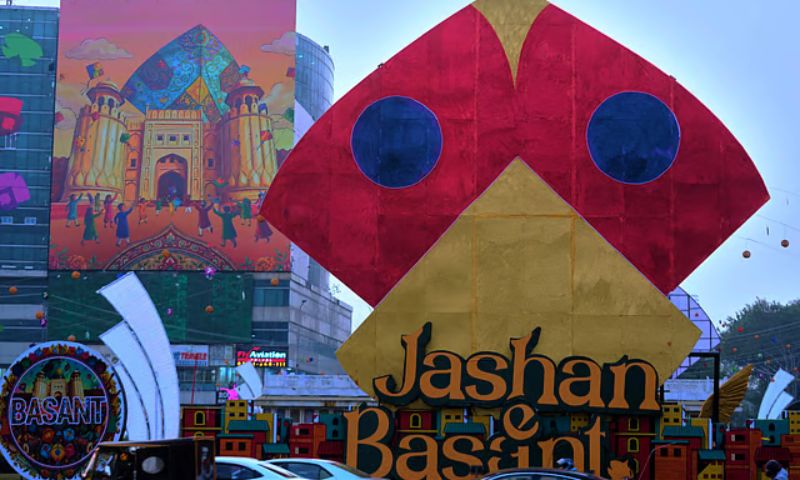
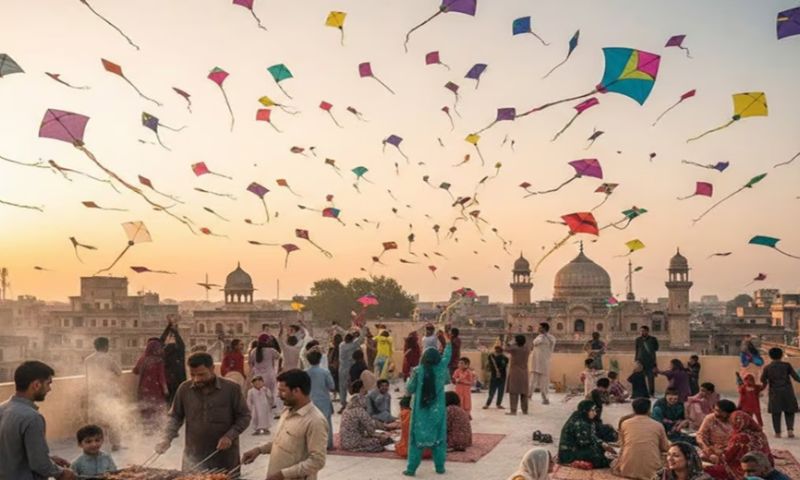
The city’s historic rooftops are draped in vibrant décor, and its streets and buses are transformed into a moving festival gallery, all heralding the long-awaited Basant Festival to be held from February 6 to 8.
To guarantee safe and inclusive participation, significant free-transport initiatives have been activated across the city.
The Punjab Government, in collaboration with private partners like Yango Pakistan, is rolling out complimentary rides on public buses, rickshaws, and select ride-hailing services from February 6 to 8.
This major logistical effort aims to mitigate traffic congestion, promote safety by discouraging motorcycle use, and ensure that all Lahoris, regardless of means, can join in the historic festivities without the burden of travel costs.
Revival of culture and commerce
Beneath the surface-level hustle and vibrant decorations, Basant’s return is fuelling a profound economic and cultural resurgence.
The festival is projected to generate a massive economic boost of over Rs20 billion, revitalizing sectors from hospitality, tourism, and transport to the traditional artisans of the kite-making industry.
More than a mere festival, this revival marks the triumphant homecoming of a cornerstone of Lahore’s identity, weaving its cherished past back into the city’s social and economic fabric after a 25-year hiatus.
Preparations and price relief
The Punjab cabinet has significantly expanded the festival’s footprint, permitting the manufacturing of regulated kite-flying materials not only in Lahore but also in Faisalabad, Kasur, Sheikhupura, and Multan.
Manufacturers must register with local authorities.
Lahore-based Consumer Association President Muhammad Yaseen welcomed the move, predicting it could slash kite and string prices by up to 30% by increasing supply and reducing dependence on Lahore-based production.
City transformation and safety-first mandate
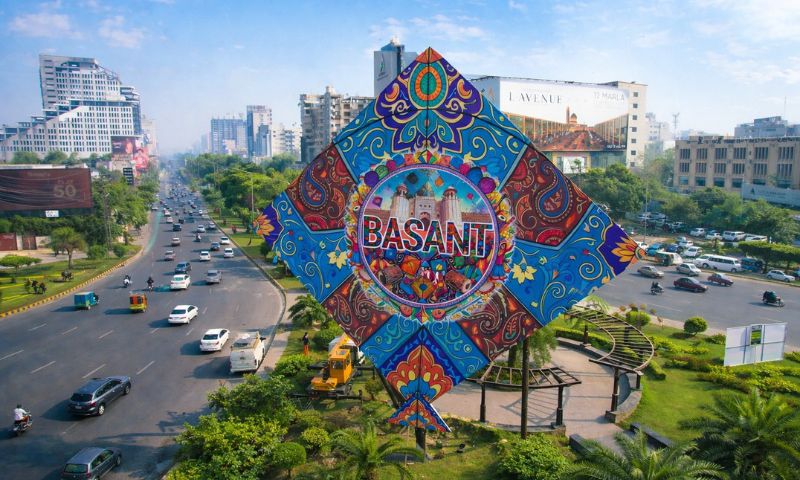
Lahore’s landscape has been transformed for the festival.
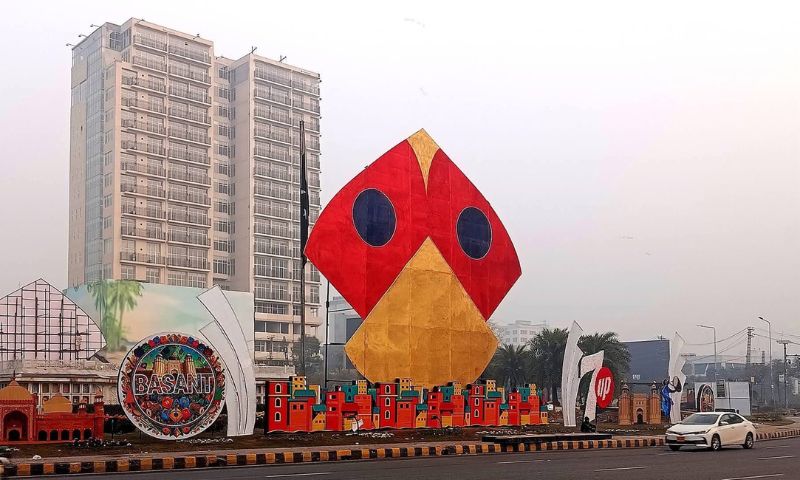
The Parks and Horticulture Authority (PHA) has installed a giant kite at Liberty Chowk, while major arteries like Jail Road and Mall Road are adorned with lights and decorations.
PHA Managing Director Raja Mansoor Ahmed has called for public cooperation to ensure safety.
Strict monitoring is in place, with drone cameras inspecting rooftops, mandatory registration for approved kite-flying sites, and quick-response teams deployed in every tehsil.
Lahore Commissioner Maryam Khan has promised ‘zero tolerance’ for violations, with awareness campaigns ongoing in educational institutions.
Also Read: Pakistan’s Punjab Province Revives Basant Festival After 25 Years with Strict Safety Rules
Complementary transport
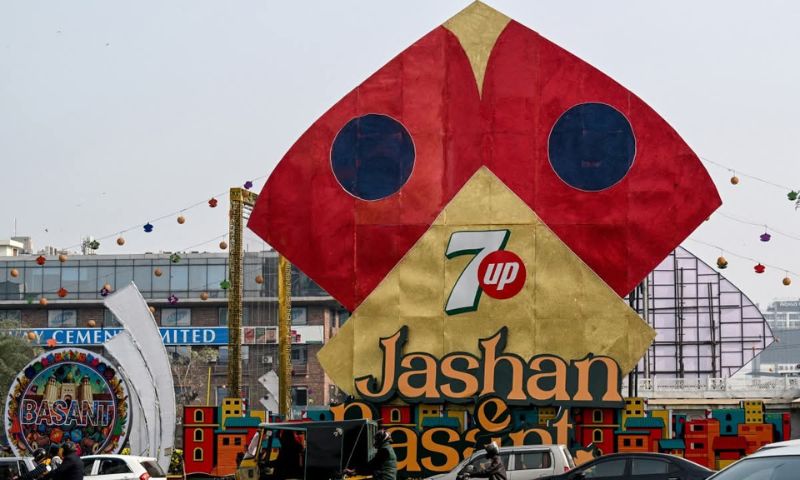
To ensure safe and accessible celebrations, the Punjab Government and the private sector are offering complimentary transport.
The government scheme, running from February 6-8, will provide free rides on public buses, rickshaws, and select ride-hailing services across Lahore.
Yango Pakistan is offering free rickshaw rides and deliveries during the festival, subsidising up to PKR 200 per trip for an estimated 80,000 citywide journeys.
The company is also distributing 5,000 safety rods to drivers.
Lavish rooftop celebrations
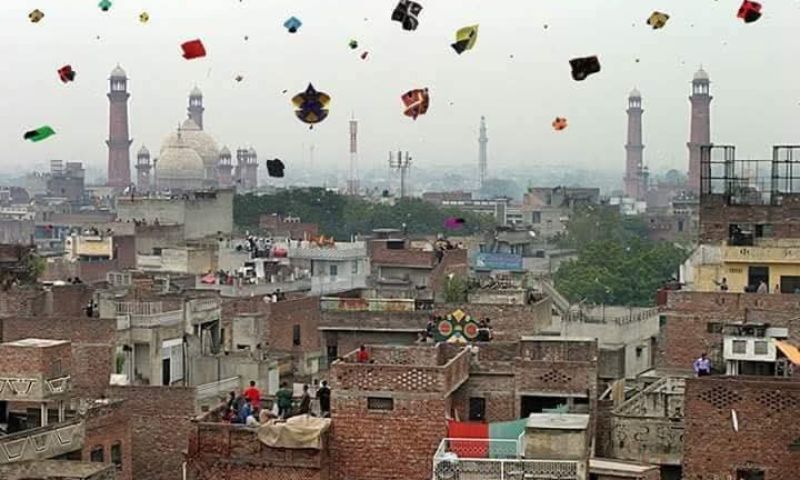
Preparations extend skyward, with prime rooftops in central areas like Mochi Gate and Rang Mahal rented for the festivities at rates between PKR 2.1 million to PKR 5.5 million.
These venues feature elaborate décor, separate day and night menus with traditional fare, and installed searchlights for night flying.
In the bustling markets, demand is high despite soaring prices, with a two-piece ‘pinna’ of string selling for up to PKR 14,000.
Kite flying is strictly prohibited near airports and on dilapidated structures.
Economic revival and cultural restoration
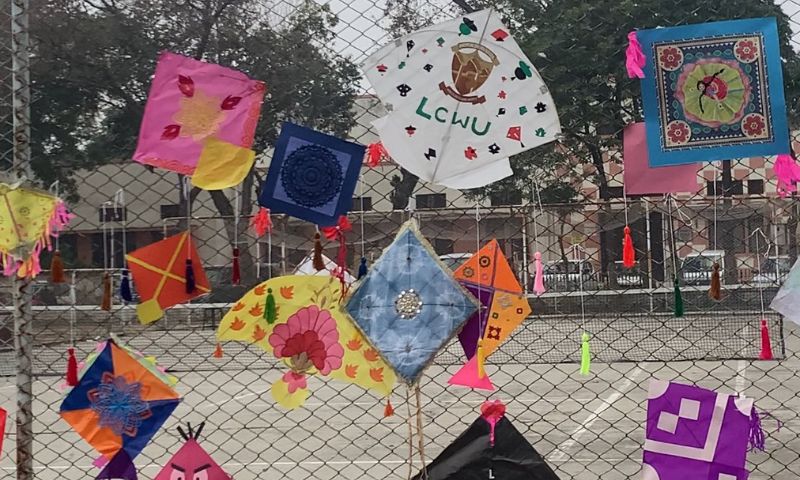
The festival’s return is projected to generate over PKR 20 billion in economic activity, revitalizing tourism, hospitality, transport, and the traditional kite-making industry.
Syed Zulfiqar Hussain, a former festival organiser, hailed the decision by Chief Minister Maryam Nawaz Sharif as a crucial step in restoring Lahore’s cultural identity.
The celebrations operate under the new Punjab Regulation of Kite Flying Ordinance 2025, which permits only approved materials and enforces a strict post-festival disposal mandate to address the safety concerns that prompted the original ban.
The initiative has been met with widespread approval on social media platforms. Users have lauded the move as a thoughtful and accessible option for families attending the festivities.