


DUBAI: Iran has asked that talks with the United States scheduled for later this week be moved from Turkiye to Oman and that their scope be limited to bilateral discussions focused solely on nuclear issues, a regional source said on Tuesday, adding a new layer of complexity to an already fragile diplomatic process, according to Reuters.
The talks had been expected to take place on Friday in Istanbul, but Iran’s push to change both the venue and the agenda comes amid heightened tensions as the United States builds up military forces in the Middle East.
Regional actors have been urging a diplomatic resolution to a standoff that has included mutual threats of air strikes and raised fears of escalation into a broader conflict.
On Tuesday, the US military shot down an Iranian drone that it said had “aggressively” approached the aircraft carrier Abraham Lincoln in the Arabian Sea, according to a statement from the US military.
President Donald Trump, who warned on Monday that “bad things” would likely happen if a deal could not be reached with Iran, told reporters at the White House on Tuesday: “We are negotiating with them right now.” He did not provide further details and declined to say where he expected the talks to take place.
A regional diplomat with knowledge of Iran’s demands said Tehran was seeking “to change the format” of the discussions as well as “to change the scope.”
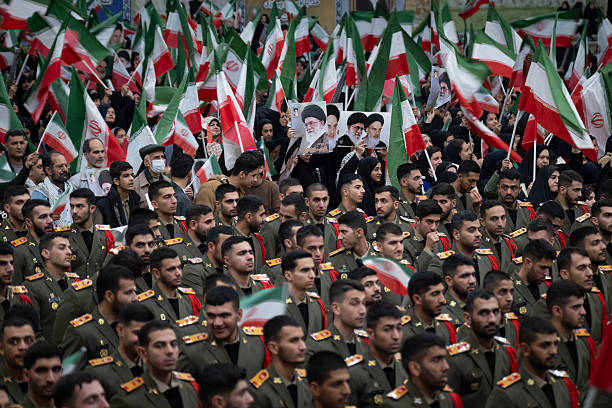
“They only want to discuss the nuclear file with the Americans,” the diplomat said, adding that Washington wants to expand the agenda to include Iran’s ballistic missile programme and the activities of alleged Iranian-backed proxy groups across the region.
White House press secretary Karoline Leavitt told Fox News that talks with Iran were still scheduled to take place later this week, without addressing the issue of venue or agenda.
Iran’s foreign ministry spokesperson said consultations over the location were ongoing, according to Iran’s Nour News agency. The spokesperson said planning had been carried out to hold negotiations in the coming days and that Turkiye, Oman, and several other countries had expressed readiness to host the meeting.
A source familiar with the matter said earlier on Tuesday that Trump’s son-in-law, Jared Kushner, was expected to take part in the talks, alongside US Special Envoy Steve Witkoff and Iranian Foreign Minister Abbas Araqchi.
Ministers from several other regional countries, including Pakistan, Saudi Arabia, Qatar, Egypt, and the United Arab Emirates, had also been expected to attend. However, the regional source told Reuters that Tehran now wanted the talks to be strictly bilateral between Iran and the United States.
US military buildup follows protests in Iran
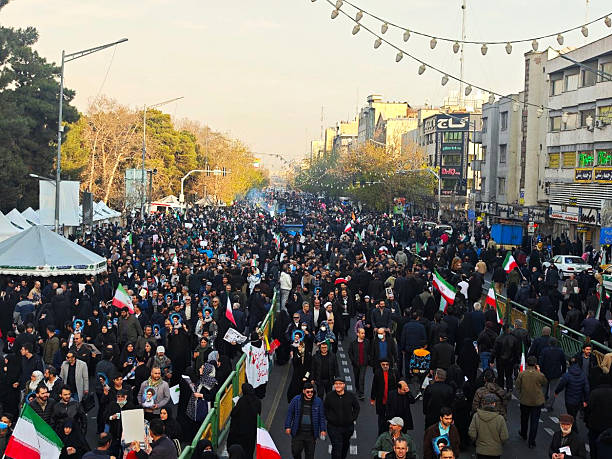
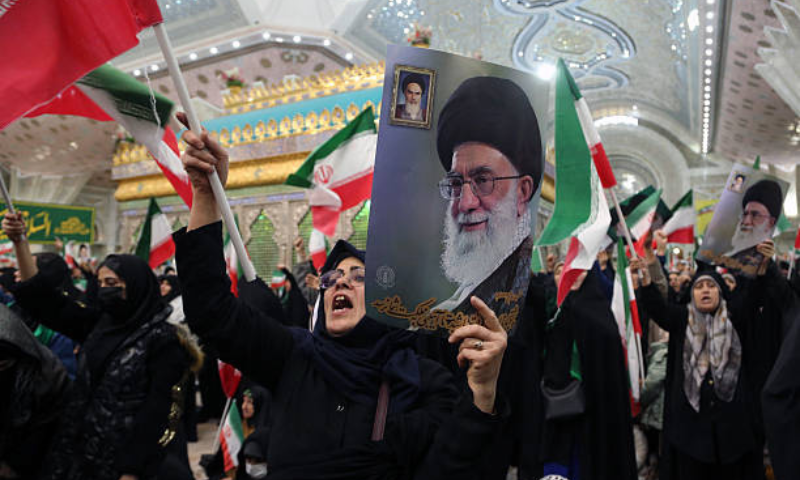
The US naval buildup in the region follows Iran’s crackdown on anti-government street protests last month. Although Trump stopped short of carrying out earlier threats of military intervention, he has since demanded nuclear concessions from Tehran and ordered a flotilla of US naval assets to operate near Iran’s coast.
The primary objective of the diplomatic effort is to avoid open conflict and de-escalate tensions, a second regional official told Reuters earlier.
Iran’s leadership is increasingly concerned that a US strike could weaken its grip on power by driving the public back onto the streets, according to six current and former Iranian officials.
With tensions running high, an Iranian Shahed-139 drone flying toward the Abraham Lincoln aircraft carrier “with unclear intent” was shot down by a US F-35 fighter jet, the US military said.
Iran’s Tasnim news agency reported that contact had been lost with a drone in international waters, though it said the cause was unknown.
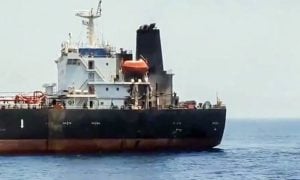
In a separate incident on Tuesday in the Strait of Hormuz, the US Central Command said forces from Iran’s Islamic Revolutionary Guard Corps harassed a US-flagged oil tanker.
“Two IRGC boats and an Iranian Mohajer drone approached M/V Stena Imperative at high speeds and threatened to board and seize the tanker,” said Navy Captain Tim Hawkins, a spokesperson for US Central Command.
Maritime risk management firm Vanguard said the Iranian boats ordered the tanker to shut down its engine and prepare to be boarded. Instead, the vessel accelerated and continued on its course.
Hawkins said the US Navy warship McFaul was operating in the area and escorted the Stena Imperative, which he said was “proceeding safely.”
Earlier, the United Arab Emirates — a key Gulf Arab oil producer and close US ally — warned that the region could not afford another conflict and said negotiations were essential.
Gulf Arab states have expressed concern that Iran could act on threats to target US military bases on their territory if Washington were to attack the Islamic Republic again.
In June, the United States struck Iranian nuclear facilities, joining the final phase of a 12-day Israeli bombing campaign. Tehran has since said its uranium enrichment activities — which it insists are for peaceful purposes — have been halted.
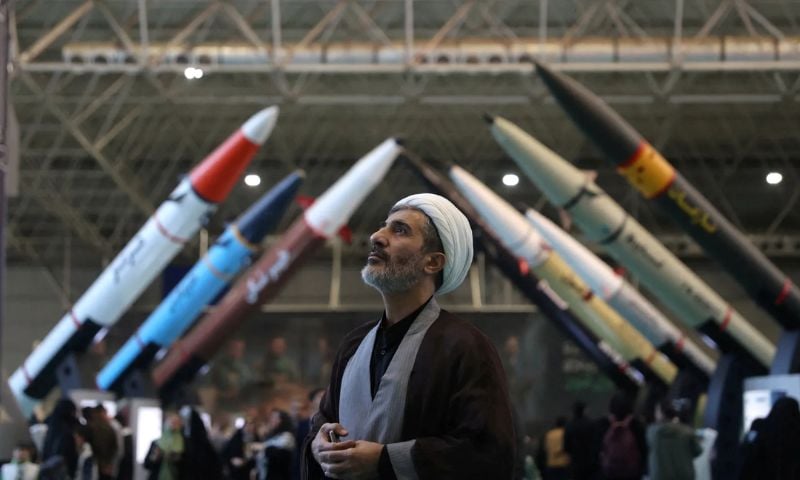
Iranian sources told Reuters last week that Trump had set three conditions for resuming talks: zero uranium enrichment in Iran, limits on Tehran’s ballistic missile programme, and an end to its support for regional proxy forces.
Iran has long rejected all three demands as violations of its sovereignty. However, two Iranian officials said the clerical leadership viewed restrictions on the missile programme, rather than uranium enrichment, as the more difficult obstacle.
One Iranian official said there should be no preconditions for talks and that Tehran was prepared to show flexibility on uranium enrichment, including handing over 400 kilograms of highly enriched uranium and accepting zero enrichment.