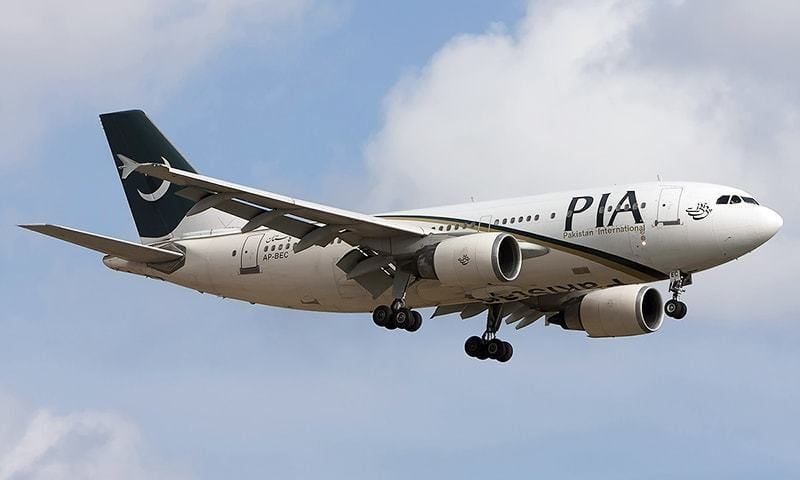



ISLAMABAD: The new private owners of Pakistan International Airlines have launched talks with aircraft manufacturers, including Boeing, unveiling plans to expand the flag carrier’s fleet to 64 aircraft as part of a broader effort to modernise operations following the completion of the government’s long-running privatisation process.
A Pakistani consortium led by the Arif Habib Group acquired a 75 percent stake in Pakistan International Airlines last month for Rs135 billion ($482 million), valuing the airline at Rs180 billion and marking a major milestone in Pakistan’s push to reform loss-making state-owned enterprises.
The privatization marked a major milestone for Pakistan, which had struggled for years to reform the debt-laden airline that accumulated more than $2.8 billion in losses due to chronic mismanagement and operational inefficiencies.
The Pakistani government and the Arif Habib Consortium had signed the transaction documents during a televised ceremony in Islamabad, attended by Prime Minister Shehbaz Sharif, senior cabinet members, and Chief of Defence Staff Field Marshal Syed Asim Munir.
“The money that will go into the airline will improve its services, new planes will be bought, and you will see a big difference very soon,” Arif Habib, chairman of the consortium, had said at the event.
In an interview, Habib confirmed that PIA’s new management had already initiated discussions with major aircraft manufacturers. “We have held a very extensive meeting with Boeing; we are holding a meeting with Airbus soon. We are also exploring other options,” he said, signalling an aggressive fleet renewal and expansion strategy.
He pledged that the airline would meet the prime minister’s expectations on performance, stressing that continued government support would be essential during the transition period. “The government’s patronage will be critical,” Habib said.
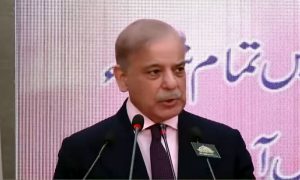
Prime Minister Sharif had welcomed the signing of the transaction documents, congratulating the nation on the privatization and expressing hope that the new owners would deliver tangible improvements. He said PIA must focus on improving punctuality, cabin service, ground handling, and overall operational efficiency.
Once regarded as one of Asia’s leading carriers, PIA’s fortunes declined over decades due to political interference, overstaffing, mounting debt, and safety concerns. In 2020, the airline was banned from flying to the European Union, the United Kingdom, and the United States after a pilot licensing scandal.
The EU and the UK have since lifted their bans, providing renewed momentum and market access for the carrier. Habib said the new management plans to more than triple PIA’s fleet to 64 aircraft from its current 19 within a period of up to eight years, underscoring the scale of the planned expansion.
He also said the consortium may consider purchasing the government’s remaining 25 percent stake in the airline and offering part of it to a strategic investor — preferably a foreign airline — to enhance competitiveness, improve technical expertise, and strengthen PIA’s position in the global aviation market.
The privatization is being closely watched by international investors as a test case for Pakistan’s broader economic reform agenda and efforts to revive loss-making state-owned enterprises.