WASHINGTON: The risk of a wider conflict in the Middle East intensified on Thursday as the United States and Iran traded stark warnings over nuclear weapons and military escalation, with US President Donald Trump urging Tehran to negotiate or face what he described as “far worse” attacks.
US warnings of “far worse” consequences have been met with vows of retaliation from Tehran, raising concerns that political messaging is drifting toward red lines that could trigger miscalculations.
Diplomats and analysts caution that the current standoff resembles earlier crisis cycles in which verbal escalation, combined with visible military deployments, narrowed space for de-escalation. With both governments under domestic pressure, neither side appears eager to show restraint, despite acknowledging the high costs of open conflict.
Regional powers and allies have urged renewed diplomacy, warning that even limited military action could spiral into wider instability, disrupt energy supplies, and draw in multiple actors across the Middle East.
In a series of social media posts, Trump called on Iran to “come to the table” and agree to a deal that would permanently bar it from acquiring nuclear weapons, warning that time was running out. He said a previous warning to Tehran had been followed by US military action and cautioned that any future strike would be more severe.
“The next attack will be far worse. Don’t make that happen again,” Trump wrote, adding that a powerful US naval force was moving toward Iran.
US officials confirmed that a strike group led by the aircraft carrier USS Abraham Lincoln has arrived in the Middle East, part of an expanded American military presence amid heightened tensions.
Iran responds with threats, rejects talks
Iranian officials swiftly rejected Trump’s warnings, saying negotiations could not take place under the threat of force and vowing to retaliate against any attack.
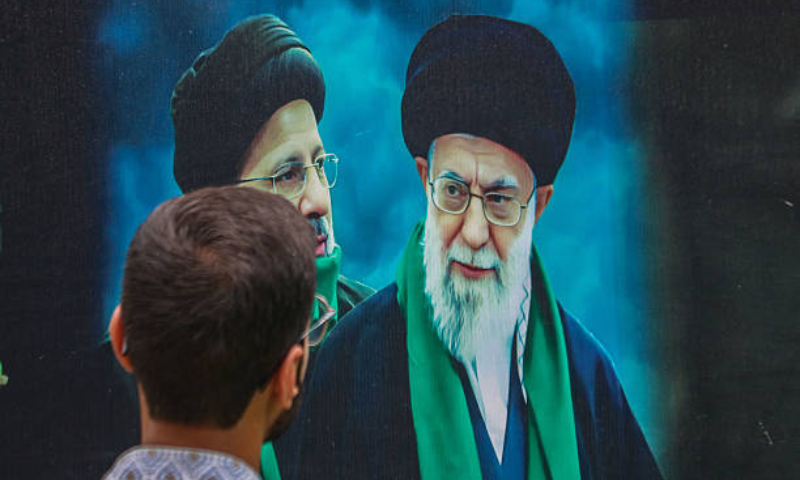
Ali Shamkhani, an adviser to Supreme Leader Ali Khamenei, said any US military action would result in Iran targeting American interests, Israel, and their supporters. Foreign Minister Abbas Araghchi said Iran’s armed forces were ready to respond “immediately and powerfully” to any aggression.
At the same time, Araghchi insisted Iran remained open to a fair nuclear agreement, provided it was reached without coercion or intimidation and respected Tehran’s right to peaceful nuclear technology. He said he had not been in contact with US special envoy Steve Witkoff in recent days and that Iran had not sought renewed negotiations.
“One cannot speak of talks in an atmosphere of threats,” Araghchi said in televised remarks.
The Islamic Revolutionary Guard Corps also warned that further military action could threaten global energy flows through the Strait of Hormuz, a vital chokepoint for oil and gas shipments.
Regional concern and diplomatic warnings
The standoff has drawn concern from regional and international actors. Turkey’s Foreign Minister Hakan Fidan urged Washington to restart nuclear talks with Iran, warning that renewed conflict would destabilise the region.
“It’s wrong to attack Iran. It’s wrong to start the war again,” Fidan said in an interview, calling on the United States to address disputes with Tehran step by step, beginning with the nuclear file.
NATO member Turkiye, which shares a long border with Iran, has repeatedly opposed military action against the Islamic Republic. President Recep Tayyip Erdogan has warned that escalation could plunge the region into chaos.
Military posturing intensifies
Iran has meanwhile issued aviation warnings restricting civilian airspace near the Strait of Hormuz as it prepares for live-fire military exercises, while US Air Forces Central announced a multi-day readiness exercise across the region to demonstrate rapid deployment capabilities.
Washington has reiterated that all options remain on the table, including military action, while Iranian officials have warned that any strike would trigger a swift and comprehensive response.
As diplomacy stalls and military forces manoeuvre on both sides, analysts warn that miscalculation could rapidly escalate into a broader confrontation, with serious consequences for regional stability and global energy markets.