Key Points
• Cabinet Committee approves disposal of 500,000 tonnes with state outfit
• Punjab to receive 300,000 tonnes to stabilise flour supplies and prices
• Rs 29.66 billion cleared for nationwide immunisation programme
• Subsidies, housing funds and solar panel distribution also endorsed
ISLAMABAD: Economic Coordination Committee of Pakistan’s Federal Cabinet on Wednesday approved a broad set of fiscal and sectoral measures covering food security, public health, energy relief and development spending.
The approvals are in line with the government’s effort to stabilise key markets and maintain essential services amid economic adjustment.
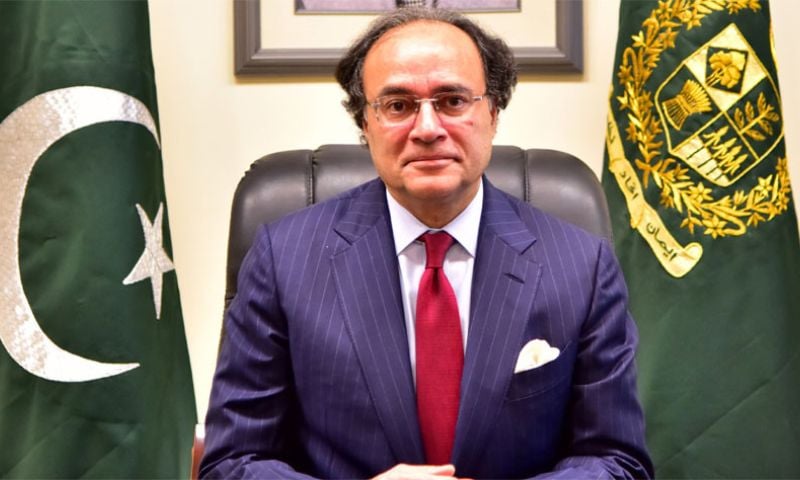
Finance Minister Muhammad Aurangzeb chaired the meeting that approved measures to ease fiscal strain on public entities, protecting consumers and supporting provincial administrations.
A central decision involved authorising the disposal of 500,000 metric tonnes of wheat held by the Pakistan Agricultural Storage and Services Corporation through competitive bidding.
The move is intended to manage surplus inventories, cut mounting storage and carrying costs and help stabilise domestic wheat prices, according to an official statement.
In a anciliary decision, the ECC approved the release of 300,000 metric tonnes of PASSCO wheat to Punjab’s Food and Consumer Protection Department.
The allocation is designed to ensure uninterrupted supplies to flour mills, curb price volatility and safeguard household food availability in the country’s most populous province.
Beyond food security, the committee cleared a Technical Supplementary Grant of Rs 29.663 billion for the Federal Directorate of Immunisation to secure vaccines and syringes under the Expanded Programme on Immunisation.
The funding is aimed at sustaining nationwide routine immunisation, preventing outbreaks of vaccine-preventable diseases and meeting Pakistan’s international public health commitments.
The ECC also endorsed a 50:50 cost-sharing arrangement between the federal and provincial governments for subsidies on imported urea, approving a Rs 23.42 billion grant sought by the Ministry of Commerce.
Of this amount, Rs 15 billion will be released immediately by the Finance Division, with the remaining share to be arranged subject to available fiscal space.
In the infrastructure and development sector, the committee approved Rs 1.9 billion for housing and works projects under the Sustainable Development Goals Achievement Programme.
The funds will be used to execute development schemes in Khyber Pakhtunkhwa through the Pakistan Infrastructure Development Company Limited, with the objective of accelerating project delivery and improving public services.
Additional approvals included Rs 150 million for Cadet College Hasan Abdal to meet operational and development needs, and the distribution of confiscated solar panels through the Government of Gilgit-Baltistan.
Officials said the solar equipment would be used to ease electricity shortages in remote areas and support public facilities through renewable energy solutions.
The decisions reflect the government’s attempt to balance fiscal discipline with targeted interventions in food, health and energy sectors, areas seen as critical to social stability and economic recovery.