Key Points
- More than 80 per cent of Afghans lack access to reliable electricity
- Power shortages undermine healthcare, education and basic services
- Rural areas are the worst affected as infrastructure investment stalls
- UN urges urgent donor support and regional energy cooperation
ISLAMABAD: More than four out of five people in Afghanistan do not have access to reliable electricity, the United Nations has warned, highlighting how chronic energy shortages are deepening humanitarian suffering and stalling any prospects of economic recovery in the war-torn country.
In its latest assessment, the United Nations Development Programme stated that Afghanistan’s power sector remains fragile, heavily dependent on electricity imports from neighbouring countries and unable to meet even basic domestic demand. Frequent outages, limited grid coverage, and high costs have left millions of households reliant on expensive and polluting alternatives such as diesel generators, coal and firewood.
The lack of dependable electricity is having far-reaching consequences. Hospitals and clinics struggle to keep essential equipment running, schools face disruptions that affect learning outcomes, and small businesses are unable to operate consistently, cutting off livelihoods in an already battered economy.
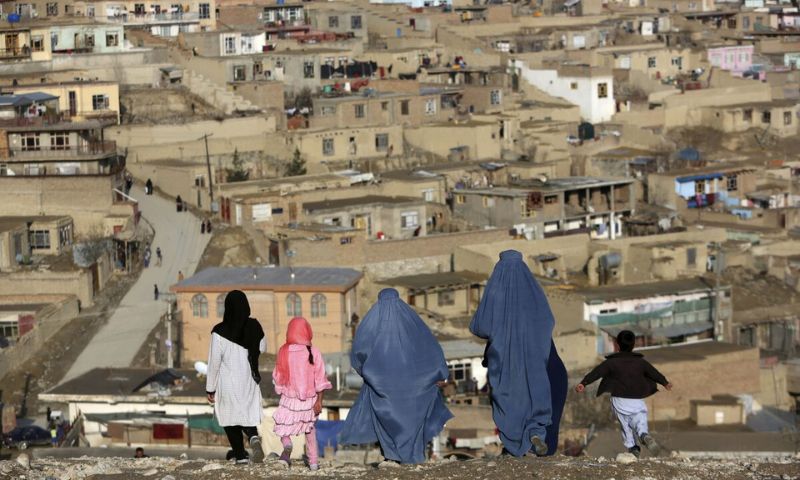
Rural communities are the worst affected. Large parts of the countryside remain off-grid, with limited prospects of connection in the near future due to funding shortfalls and the deterioration of infrastructure following years of conflict and political instability, according to the UNDP, as reported by Hasht e Subh.
Afghanistan generates only a small portion of the electricity it consumes, relying instead on imports from Central Asian states and Iran. While these imports provide some relief to urban centres, they are vulnerable to payment delays, seasonal shortages and geopolitical constraints, often resulting in abrupt supply cuts.
“The electricity crisis is not just an energy issue, it is a development and humanitarian emergency,” a UN official said, noting that power shortages exacerbate poverty, restrict access to clean water and sanitation, and hinder the delivery of aid.
Efforts to expand renewable energy, particularly solar and micro-hydropower projects, have shown promise in remote areas. However, the UN officials say such initiatives remain small-scale and underfunded. They argue that renewables could offer a viable path to improving access, especially for isolated communities where extending the national grid is not feasible.
The UN has called on international donors to step up support for Afghanistan’s energy sector, warning that continued neglect will lock the country into a cycle of dependence and deprivation. It has also urged regional cooperation to ensure stable electricity imports and explore cross-border projects that could lower costs over time.
However, sanctions, frozen assets and political uncertainty continue to complicate large-scale investment. Aid agencies say without sustained international engagement, Afghanistan’s electricity gap is likely to widen, further undermining public services and economic activity.
As winter deepens and demand rises, the UN cautioned that unreliable power supplies could worsen living conditions for millions, reinforcing the need for urgent and coordinated action to address one of the country’s most pressing structural challenges.