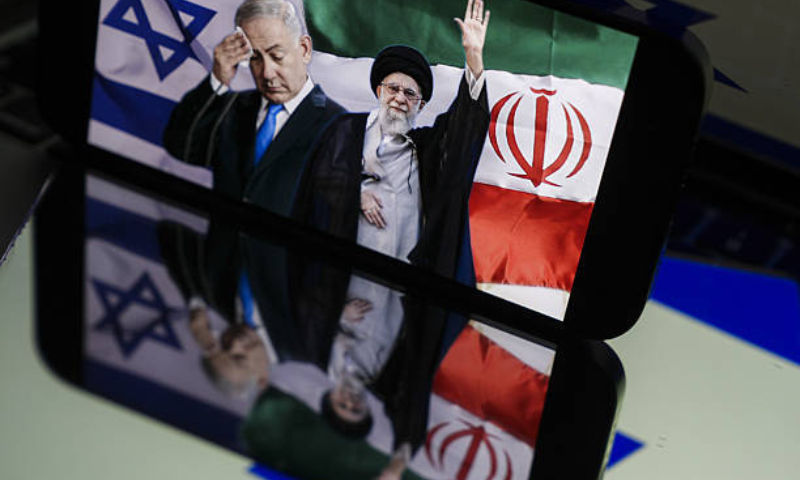
WASHINGTON, DC: Israel and Iran quietly exchanged messages through a Russian intermediary in late December, assuring each other that they would not carry out preemptive military attacks, according to diplomats and regional officials familiar with the communications.
Accordng to Washington Post, days before nationwide protests erupted in Iran, Israeli officials informed Iran’s leadership via Russia that Israel would refrain from striking Iranian targets unless it was attacked first, the officials said. Iran responded through the same Russian channel that it would also avoid launching a preemptive attack.
The backchannel exchanges were unusual given the deep hostility between the two regional rivals, which fought a 12-day war in June. The communications also highlighted Russia’s role as an intermediary between Israel and Iran, despite Moscow’s strained relations with the West and its ongoing war in Ukraine, reports The Washington Post.
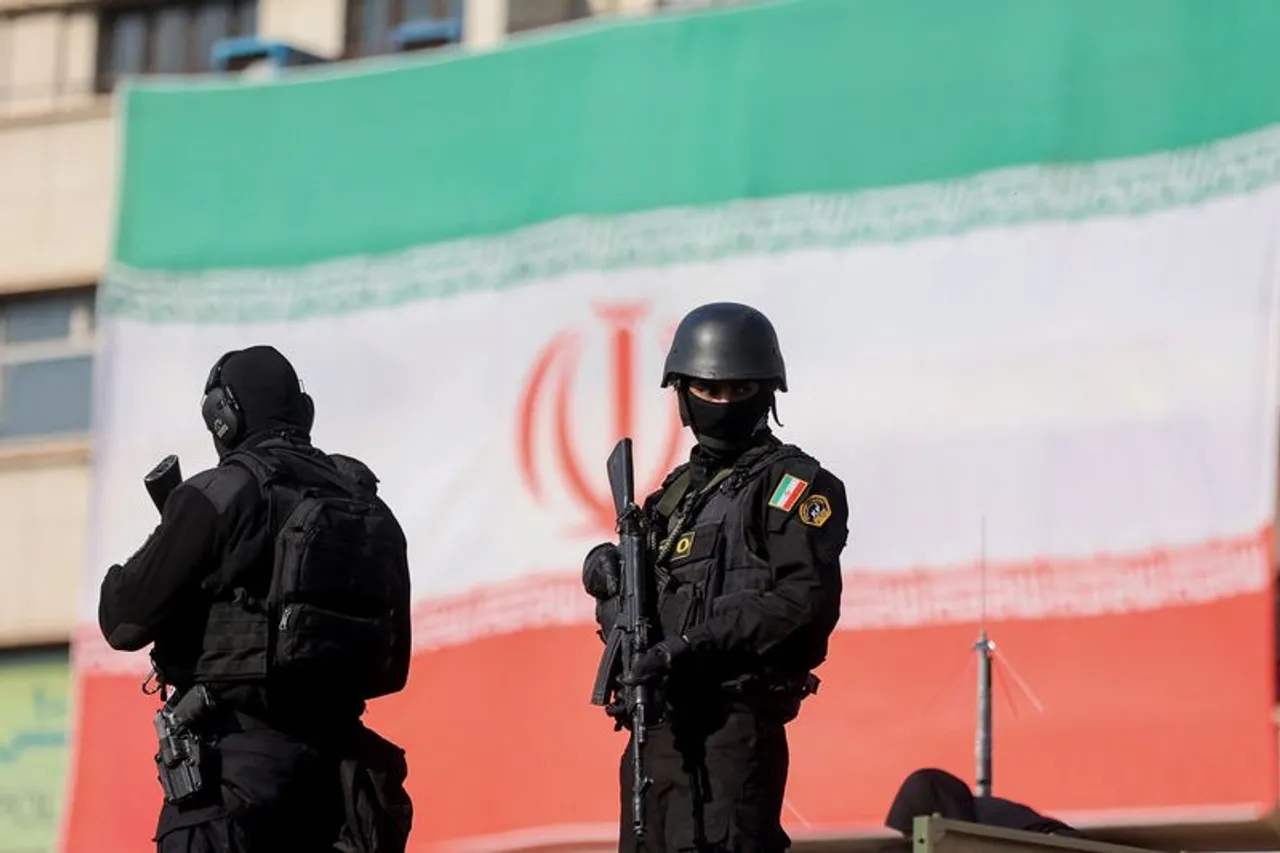
According to diplomats and regional officials, Israel’s outreach reflected a desire to avoid being seen as escalating tensions with Iran or spearheading new attacks at a time when it was preparing for a potential large-scale military campaign against Hezbollah, the Iran-aligned armed group in Lebanon.
The private reassurances stood in contrast to Israel’s public rhetoric late last year, when senior officials openly hinted at the possibility of renewed strikes on Iran aimed at rolling back what they described as Tehran’s rapidly replenishing ballistic missile stockpile.
Iranian officials responded positively to the Israeli messages but remained wary of Israel’s intentions, according to two officials familiar with the exchange. Tehran believed that even if Israel’s assurances were genuine, they did not rule out the possibility of US military action against Iran, potentially coordinated with Israel, while Israeli forces remained focused on Hezbollah.
“For Iran, it was a good deal” to stay out of any direct confrontation between Israel and Hezbollah, said a senior regional official, speaking on condition of anonymity due to the sensitivity of the communications. US officials have said Iran’s material support for Hezbollah has already declined as Tehran grapples with widespread domestic unrest.
It remains unclear how Iran’s protests in recent weeks — which have posed one of the most serious challenges to the country’s leadership since the 1979 Islamic Revolution — have altered calculations in Tehran and Tel Aviv, or whether both sides will continue to adhere to their private assurances.
US President Donald Trump has been weighing possible strikes against Iranian government targets in response to Tehran’s crackdown on protesters. Analysts warn that any such attack could prompt Iranian retaliation against US allies in the region, including Israel.
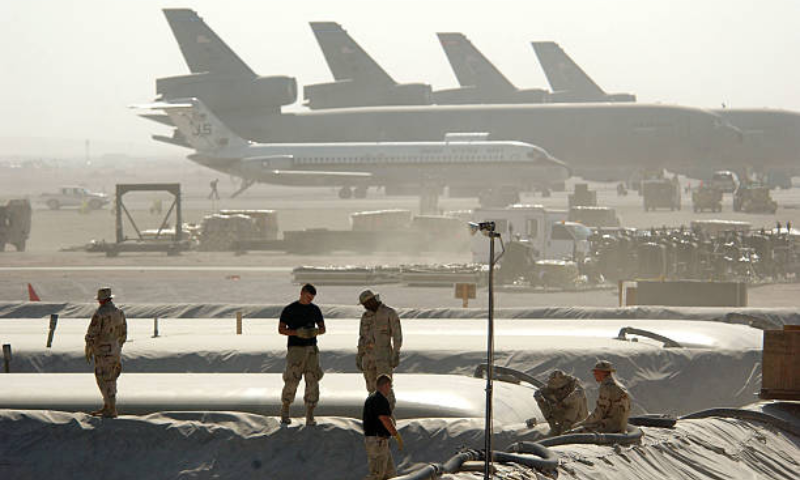
A senior Iranian official told Reuters on Wednesday that Iran would retaliate against US military bases in the Middle East if attacked, though Israel was not mentioned among potential targets.
It is also unclear whether Israel would abandon its December reassurances and participate in a US-led military campaign should Israeli leaders believe there was an opportunity to topple Iran’s government. As protests intensified in Iran, Israeli officials described their military posture as defensive and largely avoided overtly bellicose language.
In June, however, Israel launched a complex surprise attack against Iran even as nuclear negotiations between Tehran and Washington were under way.
“Israel is giving the United States the leading role in any potential strikes against Iran, but there is no question Israel would welcome regime change because that would reshape the Middle East — including Hezbollah,” said Sima Shine, a senior researcher at Israel’s Institute for National Security Studies and a former senior official at Israel’s Mossad intelligence agency.
“But Israel could be a target of any Iranian response, and therefore it has already taken many steps to improve its defences and preparedness,” she added.
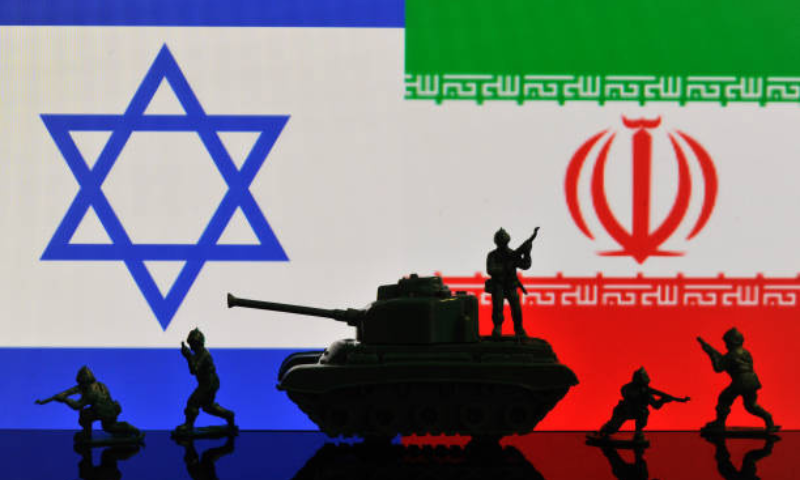
Israeli officials said the original outreach to Iran was intended to keep Tehran on the sidelines and isolate Hezbollah in the event of an Israeli military campaign in Lebanon. That same logic may still apply, with Israel seeking to avoid a direct exchange of fire with Iran, at least initially.
A senior Israeli official said a military campaign against Hezbollah remained a possibility regardless of developments involving Iran, adding that Israel continues to view the group as a serious threat because it has not disarmed.
“The Lebanon campaign will happen, and Hezbollah will be heavily targeted,” the official said. “The question is whether it comes during or after a war with Iran.”
The most recent exchange of messages between Israel and Iran took place in late December, shortly after Iranian Foreign Minister Abbas Araghchi visited Moscow, according to a senior regional official. Russia has previously sought to act as an intermediary between the two countries and to bolster its role as a mediator with the Trump administration.
A Russian academic close to senior diplomats said the Kremlin had earlier proposed to Trump that it serve as a go-between for Israel and Iran. Trump declined the offer, telling Moscow to focus first on Ukraine, the academic said. It remains unclear whether Washington was aware of or involved in the December exchanges.
Israel’s public broadcaster KAN reported last week that Prime Minister Benjamin Netanyahu had recently asked Russian President Vladimir Putin to convey messages to Iran that Israel did not intend to attack it.
Neither Netanyahu’s office nor Kremlin spokesman Dmitry Peskov responded to requests for comment.