KEY POINTS
- Remittances to surpass $41 billion in 2026, bolstering foreign reserves
- Dialogue speakers highlight structural reforms, export competitiveness, and inclusive capital access
- Policy continuity and technology-driven governance emphasised as key to long-term stability
- Private-sector investment and fiscal rationalisation are seen as critical to sustained growth
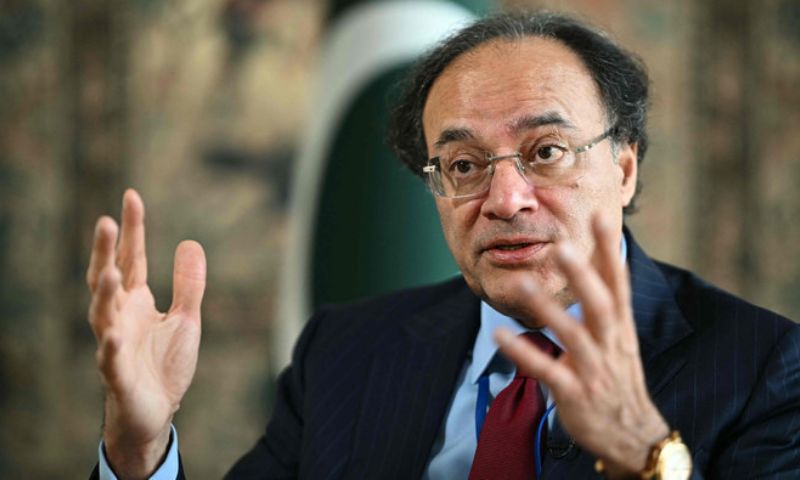
ISLAMABAD: Pakistan’s remittances are projected to surpass $41 billion in 2026, providing a crucial boost to the country’s foreign exchange reserves, Finance Minister Muhammad Aurangzeb announced at the Pakistan Policy Dialogue on Wednesday.
Aurangzeb noted that remittances reached $38 billion in the last fiscal year, reflecting growing confidence among overseas Pakistanis and improving macroeconomic stability.
Deputy Prime Minister Ishaq Dar, the dialogue’s chief guest, stated that restoring economic confidence requires consistent policies and institutional continuity beyond political cycles.
Technology-enabled governance is the key to translating policy into measurable outcomes, he added. Dar emphasised that long-term stability depends on a transparent and accountable framework for both fiscal and development management.
Minister Aurangzeb highlighted structural reforms at the Federal Board of Revenue (FBR), explaining that tax compliance and enforcement are now centralised under the Ministry of Finance.
Now the FBR’s role is to focus more on revenue collection. He also cited progress in privatisation and energy reforms, noting that local investors participated in Pakistan International Airlines (PIA) privatisation and that 24 state-owned entities have been handed over to the Privatisation Commission.
Federal Minister for Planning, Development and Reforms Ahsan Iqbal was of the view that Pakistan must strengthen export competitiveness and pursue productivity-driven structural reforms to sustain growth in the face of global uncertainties.
He cautioned that while remittances provide short-term stability, long-term economic resilience depends on reforms that enhance domestic production and investment.
Federal Minister for Climate Change Musadik Malik emphasised the importance of inclusive economic participation, noting that empowering women, youth, and new entrants to the economy is crucial to democratizing capital and fostering broad-based growth.
Prime Minister’s Adviser on Privatisation Muhammad Ali highlighted the role of private enterprise in addressing structural bottlenecks, emphasising that reducing the fiscal burden of state-owned enterprises and unlocking private resources is vital for sectors such as energy, water, and exports.
The dialogue convened senior policymakers, corporate leaders, and development experts to deliberate on pragmatic reforms, export-led growth, and digital and green growth pathways.
Speakers agreed that while remittance inflows strengthen foreign reserves, deeper structural reforms, policy consistency, and private-sector engagement remain essential for Pakistan’s long-term economic recovery and stability.