Iran’s worsening economic crisis has entered a Crucial phase, marked by a collapsing currency, rising prices for basic goods and renewed nationwide protests that are testing the state’s ability to govern under sustained pressure.
On Tuesday, the Iranian rial fell to a fresh record low on the unofficial market, with the U.S. dollar trading at around 1.1375 million rials, underscoring the depth of public anxiety over inflation, subsidies and economic mismanagement. The slide comes as authorities push through major reforms to the foreign exchange and subsidy system—moves officials say are necessary, but which have triggered sharp price shocks for households already under strain.
A currency in free fall
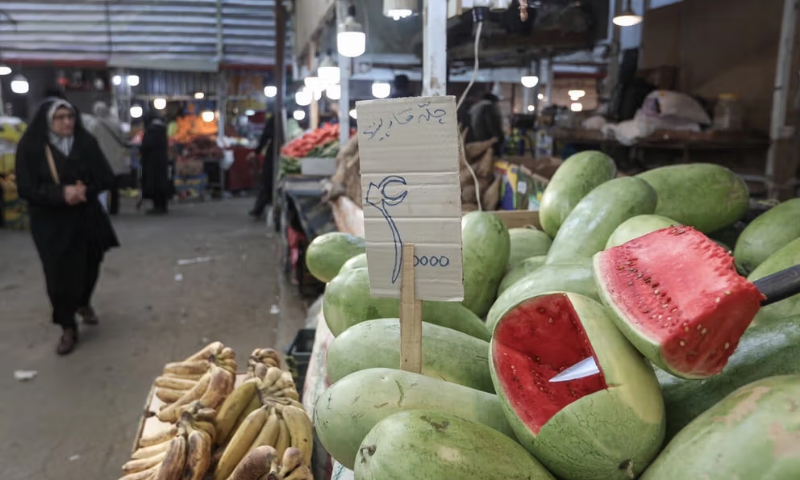
The rial’s latest plunge follows weeks of volatility that began in late December, when rapid depreciation helped ignite protests in Tehran and other cities. Since then, demonstrations have broadened in scope, increasingly reflecting deeper frustration with living costs, governance and the direction of the economy.
Other currencies have moved in tandem: the euro traded at about 1.72 million rials, while the British pound approached 1.99 million rials, according to traders. For many Iranians, the accelerating loss of purchasing power has reinforced a long-standing flight into hard currency and gold as perceived safe stores of value.
Subsidy reform and rising prices
At the center of the current turmoil is the government’s decision to roll back subsidized foreign exchange rates used for importing essential goods. Officials argue the system distorted markets, encouraged corruption and failed to contain inflation. Critics warn that removing it shifts the burden directly onto consumers.
Government spokesperson Fatemeh Mohajerani said prices of basic goods are expected to rise by 20 to 30 percent in the coming weeks, with sharper increases likely for staples such as chicken, eggs and cooking oil. Authorities have acknowledged the impact, but insist the reforms are unavoidable to stabilize the currency and restore fiscal discipline.
To cushion the shock, President Masoud Pezeshkian’s administration has proposed targeted relief measures, including a monthly electronic credit or coupon system for low-income households. Whether these steps will be enough to ease public anger remains an open question.
Protests and pressure on the state
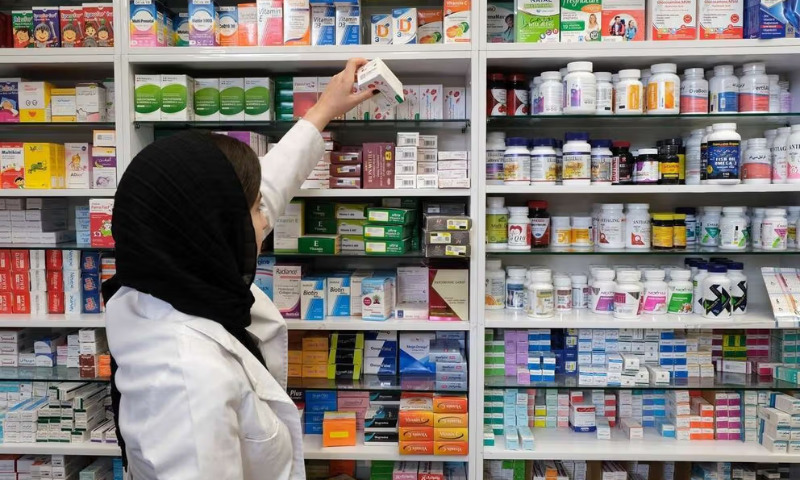
Public frustration has once again spilled into the streets. Merchant strikes have continued in several cities, and nationwide protests entered a third week, highlighting the link between economic stress and political stability.
As demonstrations persist, economic indicators—exchange rates, prices, wages—have become a central barometer of both state capacity and public confidence. The unrest has placed Iran’s draft budget for the next fiscal year, beginning March 22, under intense scrutiny.
A budget shaped by security priorities
The proposed budget reflects a country grappling with overlapping economic and security challenges. Government projections put its own oil export revenues at 1,850 trillion rials, roughly $2 billion at the official exchange rate.
At the same time, at least 16 percent of total budgetary resources are allocated to military and security institutions. Funding for religious bodies is projected at close to half of the government’s oil income, while tax revenues are set to rise by 63 percent, signaling a heavier burden on households and businesses amid high inflation.
The framework has raised questions about whether state revenues are being translated into economic stability or improved living standards, and whether external relief—such as sanctions easing—would be sufficient to reverse the decline without deeper structural reform.
An economy rich in resources, poor in outcomes
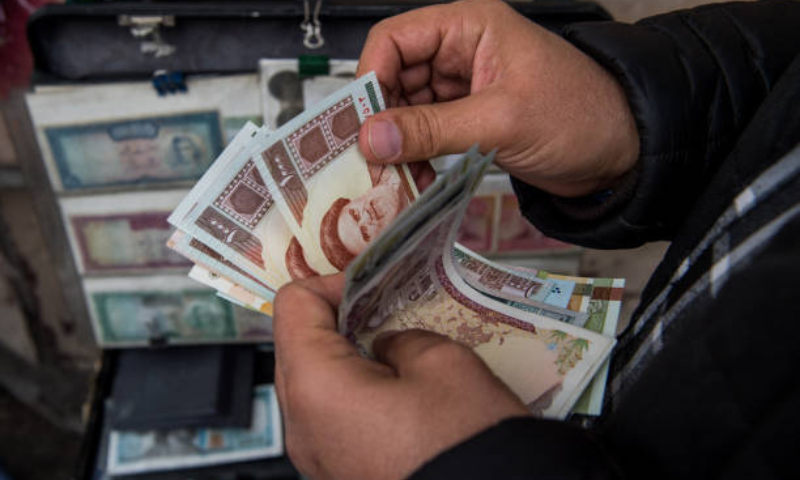
The contrast between Iran’s resource base and its economic performance remains striking. Despite extensive sanctions, Iran’s crude oil exports over the past five years are estimated to have generated about $193.5 billion in revenue.
Yet over roughly the same period, gross domestic product has fallen sharply—from around $600 billion in 2010 to an estimated $356 billion in 2025. According to Iran’s Central Bank, energy exports alone brought in $65.8 billion last year, exceeding total general government revenues projected in the new budget.
Services account for more than half of GDP, and non-oil exports remain substantial—setting Iran apart from other resource-dependent economies such as Iraq. These figures suggest that Iran’s challenge is not a lack of resources, but how those resources are allocated, absorbed and converted into sustainable growth.
The decisive test ahead
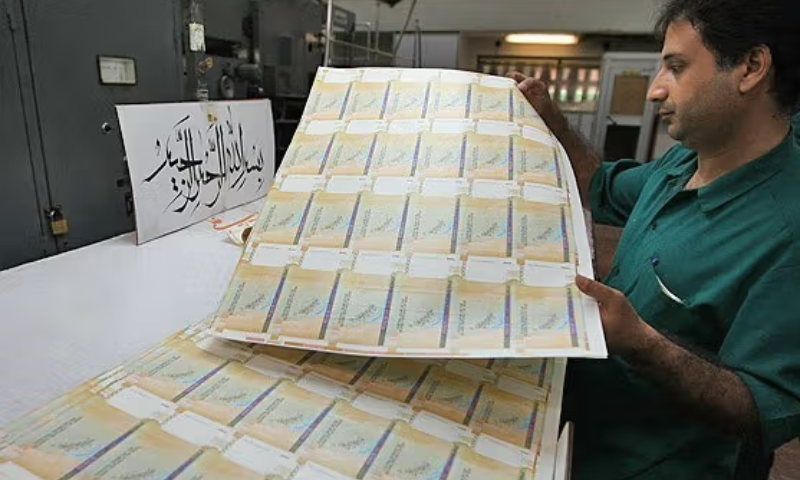
Parliament this week approved the broad outlines of the amended budget after earlier rejecting it, with revisions including higher public-sector pay rises, tax cuts and $8.8 billion in subsidized foreign exchange to contain food prices. Lawmakers passed the framework with 171 votes in favor, as authorities seek to defuse unrest and strikes.
Still, the underlying tensions remain unresolved. As Iran faces sanctions, diplomatic pressure and domestic unrest simultaneously, the economy—more than any single political or security development—may determine the country’s trajectory.
For millions of Iranians, the question is no longer whether reform is needed, but whether the current path can restore confidence before economic hardship hardens into a broader political crisis.
An Economy at a Crossroads
The currency shock has laid bare the deeper structural weaknesses of Iran’s economy, where years of sanctions, policy distortions and eroding public trust have converged into a sustained crisis of confidence. While dismantling the multi-rate exchange system may address long-standing inefficiencies, analysts warn that without broader reforms and political stability, inflationary pressures are likely to return. As protests continue and economic uncertainty deepens, the fate of the rial—and the credibility of state policy—has become a central test of Iran’s ability to restore stability and chart a viable path forward.