KEY POINTS
- Iran’s Foreign Minister said Tehran is “not seeking war but is fully prepared for war”.
- Trump warned of military intervention and said Iranian leaders contacted him to negotiate.
- Iranian Parliament Speaker described crackdown against protesters as a “war against terrorists”.
- Trump said the US is considering “very strong options”.
- China opposed foreign “interference” in Iran and urged peace and stability.
TEHRAN, Iran: Iran’s foreign minister said on Monday the Islamic republic is ready for both war and negotiations after repeated threats from US President Donald Trump over the crackdown on nationwide protests.
The unrest, now in its third week, was triggered by economic grievances and has prompted a near-total internet blackout lasting more than 84 hours, according to monitor NetBlocks.
Foreign Minister Abbas Araghchi told a conference of foreign ambassadors in Tehran, broadcast by state television, that Iran is “not seeking war but is fully prepared for war.”
He added that the country is ready for negotiations, provided they are “fair, with equal rights and based on mutual respect.”
Araghchi’s statements followed Trump’s repeated warnings of US military intervention.
The US president said on Sunday that Iranian leaders had contacted him seeking negotiations after he threatened action over the protests.
“There’s a meeting being set up… They want to negotiate,” Trump told reporters aboard Air Force One. He added, however, that “we may have to act before a meeting.”
Communication channels open
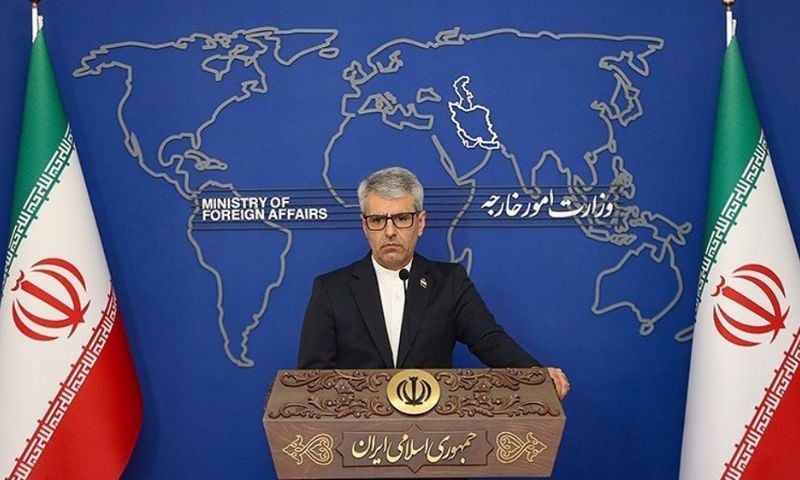
Iranian Foreign Ministry spokesman Esmaeil Baghaei said a channel of communication remains open between Araghchi and Trump’s special envoy for the Middle East, Steve Witkoff, despite the absence of formal diplomatic relations.
“Messages are exchanged whenever necessary,” Baghaei said, noting that while the US has no diplomatic presence in Iran, its interests are represented by the Swiss embassy.
Oman’s foreign minister also met Araghchi in Tehran on Saturday, highlighting ongoing diplomatic contacts.
Crackdown on protests
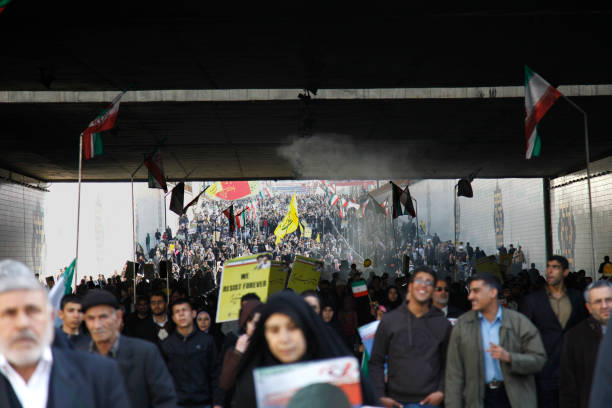
Iran has arrested more than 2,600 protesters, according to the Norway-based NGO Iran Human Rights (IHR). The group has confirmed at least 192 deaths.
Frost and very cold weather have compounded conditions for protesters, with widespread internet restrictions limiting independent verification of events.
State media reported dozens of security personnel killed, with funerals turning into pro-government rallies.
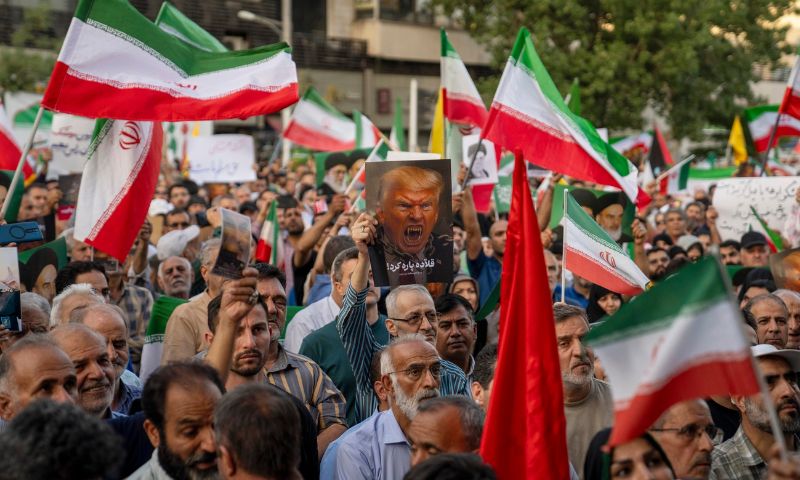
The government declared three days of national mourning for victims of what it calls “riots,” while state television showed pro-government marches in several cities, including a large rally in Tehran on Monday.
‘War against terrorists’
Iranian Parliament Speaker Mohammad Bagher Ghalibaf described the response to protests as a “war against terrorists” and cited a “four-front war” including economic, psychological, military, and domestic anti-terrorism campaigns.
“The great Iranian nation has never allowed the enemy to achieve its goals,” Ghalibaf said.
He warned that the Iranian military would deliver “an unforgettable lesson” to Trump in the event of an attack.
US response and military options
Trump said the US is “looking at very strong options” in response to Iran’s crackdown. He acknowledged that the Iranian leadership has expressed willingness to negotiate.
“They are tired of being beat up by the United States,” Trump said. “Iran wants to negotiate.” He did not provide details on potential military options.
A US official told CBS that Trump has been briefed on military strike options. The Wall Street Journal reported that alternative measures could include supporting opposition groups, cyber operations against Iran’s military, or additional sanctions.
China opposes foreign ‘interference’
China called for restraint and opposed foreign “interference” in Iran’s domestic affairs.
Chinese Foreign Ministry spokeswoman Mao Ning said all parties should work towards “peace and stability in the Middle East.”
The situation follows last year’s 12-day Israel-Iran conflict.
Protests continue
The protests, initially sparked by rising prices and economic frustration, have spread across major cities including Tehran and Mashhad.
Social media footage shows large crowds marching at night, chanting slogans, and clashing with security forces.
Iranian authorities have accused the US and Israel of fuelling the unrest and called for rallies condemning “terrorist actions led by the United States and Israel.”
President Masoud Pezeshkian condemned the demonstrations as orchestrated by external enemies and urged families to keep children away from protests.