Key points
- Hasina’s ouster strains bilateral relations
- Visa suspensions and sports fallout escalate tensions
- Election politics fuel anti-India sentiment
ISLAMABAD: Relations between India and Bangladesh have deteriorated sharply in recent months, with political disputes spilling over into diplomatic, trade and even sporting arenas, as Bangladesh prepares for parliamentary elections scheduled for February.
According to a report by The New York Times, tensions began escalating after the 2024 overthrow of former Bangladeshi prime minister Sheikh Hasina, who enjoyed strong backing from New Delhi.
Ousted by a protest movement, Hasina fled to India, a move that has since drawn criticism from Bangladesh’s interim government and protesters, who have accused New Delhi of shielding her from facing justice at home.
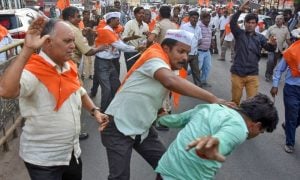
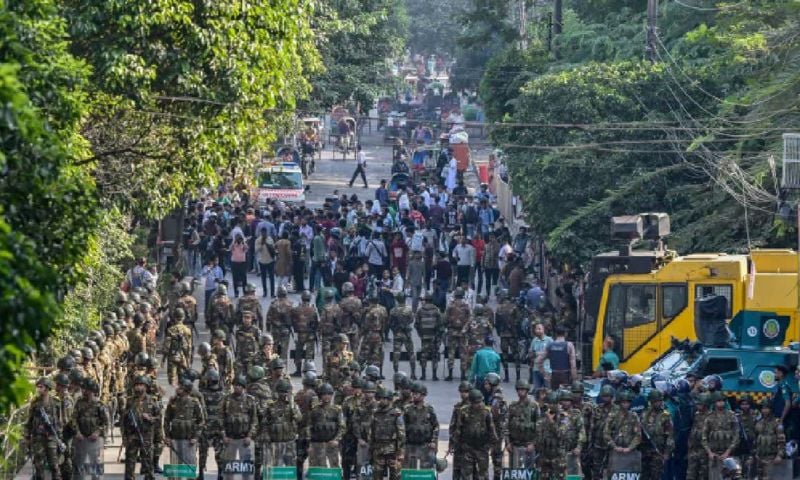
India, in turn, has objected to what it describes as hostile rhetoric from political groups in Dhaka and incidents of violence targeting Bangladesh’s Hindu minority. The dispute led India to suspend visa operations in the Bangladeshi city of Chattogram last month after mobs targeted its diplomatic mission there. Bangladesh responded by halting visa services for Indians after protests erupted outside its mission in New Delhi.
Diplomatic strain
The fallout has also reached the sports arena. Protests by Hindu nationalist groups in India reportedly prompted the country’s cricket authorities to block a Bangladeshi player’s participation in the Indian Premier League.
Bangladesh then announced it would not send its team to India for next month’s cricket World Cup, requesting that its matches be moved to a neutral venue.
The diplomatic strain comes at a sensitive political moment. Bangladesh’s interim administration, led by Nobel laureate Muhammad Yunus, is overseeing elections.
Indian pro-government media have accused Yunus of sympathising with extremist elements, claims rejected by Bangladeshi leaders, who argue violence has affected multiple communities. Dhaka has also accused Indian media outlets of spreading disinformation to destabilise its interim government.
Despite heated rhetoric, analysts suggest both sides are quietly seeking to limit long-term damage. India is reportedly engaging with opposition forces in Bangladesh while monitoring political developments, aiming to preserve strategic interests in a region where geopolitical competition is intensifying.