KEY POINTS
- Rana Mashhood cites growing economic self-reliance and investor confidence.
- IMF policies after 2018 slowed growth, constrained development.
- Government focuses on sustainable growth, not short-term fixes.
- Workers’ remittances surged in 2025, boosting foreign exchange reserves.
- Fiscal discipline and structural reforms are starting to bear fruit.
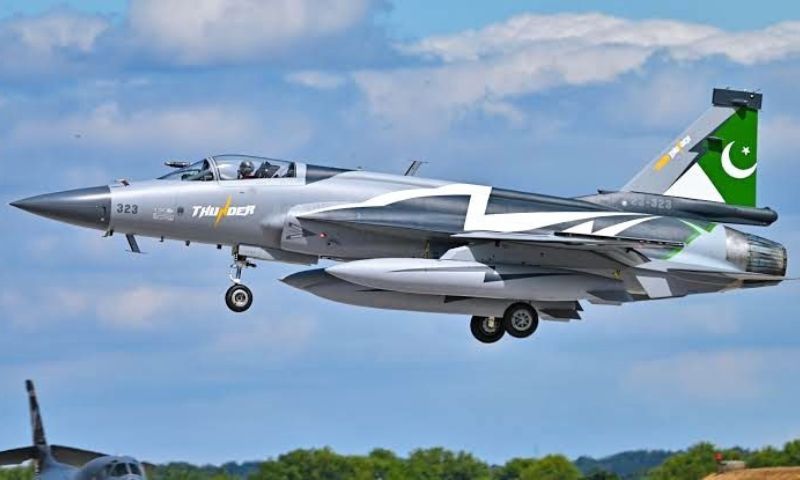
- Defence exports, especially JF-17 fighter jets, support economic stability.
ISLAMABAD: Pakistan is set to exit the International Monetary Fund (IMF) programme by June next year, Chairman of the Prime Minister’s Youth Programme (PMYP) Rana Mashhood Ahmad Khan said on Saturday.
Speaking at a diaspora gathering in London, Mashhood said Pakistan was steadily moving towards economic self-reliance and would no longer require IMF assistance by mid-2026.
He added that the country’s recent economic direction had helped restore confidence among investors and overseas Pakistanis.
Signs of stability
Mashhood said the improving economic outlook was reflected in renewed trust from both local and international stakeholders, noting that the government’s policy direction had begun to steady the ship after years of uncertainty.
According to him, overseas Pakistanis were once again willing to put their weight behind the economy, encouraged by signs of macroeconomic stability.
The focus now is on sustainable growth rather than short-term fixes. Reforms are being pursued to ensure long-term stability.” – Rana Mashhood
Return to growth
Referring to past economic challenges, Mashhood said IMF-linked policies introduced after 2018 had slowed economic growth and constrained development.
However, he maintained that the current government had managed to turn the tide and place the economy back on a recovery trajectory.
“The focus now is on sustainable growth rather than short-term fixes. Reforms are being pursued to ensure long-term stability,” he said.
Foreign inflows rise
Highlighting a sharp increase in workers’ remittances, Mashhood described the inflows as a strong signal of renewed confidence.
Overseas Pakistanis sent billions of dollars back home in 2025, providing a significant boost to foreign exchange reserves, according to the State Bank of Pakistan.
Remittances have played a crucial role in shoring up the economy at a critical juncture.” – Rana Mashhood
He said remittances had played a crucial role in shoring up the economy at a critical juncture.
Commitment restated
The London remarks echoed Mashhood’s earlier statements made in August 2025, when he said Pakistan was “on the path to progress” and close to exiting the IMF programme.
At the time, he emphasised that fiscal discipline and structural reforms were beginning to bear fruit.
Looking ahead, Mashhood said sustained emphasis on exports, productivity and youth-led entrepreneurship would help build foreign exchange reserves and finally break Pakistan’s long-standing dependence on IMF bailout programmes.
Our aircraft have been tested, and we are receiving so many orders that Pakistan may not need the International Monetary Fund in six months.” – Khawaja Asif
He added that empowering young entrepreneurs and expanding the export base would be key to ensuring that Pakistan does not have to knock on the IMF’s door again.
Exit confidence grows
The government’s optimism has also been echoed by Defence Minister Khawaja Asif, who recently suggested that Pakistan may no longer need repeated IMF loan programmes if current trends continue.
Speaking to Geo News earlier this week, Asif said the growing success of Pakistan’s domestic defence industry — particularly rising demand for JF-17 Thunder fighter jets — could significantly improve the country’s economic outlook.
“Our aircraft have been tested, and we are receiving so many orders that Pakistan may not need the International Monetary Fund in six months,” Asif said, pointing to expanding defence exports as a potential source of foreign exchange.
Pakistan is currently under a $7 billion IMF programme, which followed a short-term $3 billion facility that helped avert a sovereign default in 2023 after financial support and deposit rollovers from Saudi Arabia and other Gulf allies.