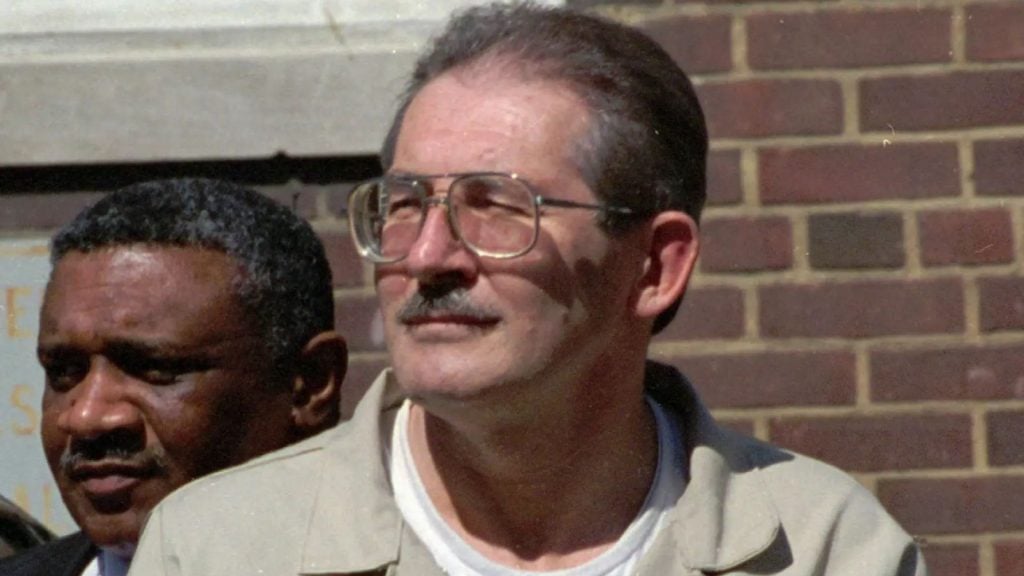
WASHINGTON: Aldrich Ames, the former Central Intelligence Agency officer whose espionage for the Soviet Union led to one of the most damaging intelligence breaches in US history, died in federal custody earlier this week, according to US authorities. He was 84, the Bureau of Prisons confirmed.
Ames served as a counterintelligence analyst at the CIA for 31 years, rising to become head of the agency’s Soviet branch within its counterintelligence division, reports AFP.
Along with his wife, Rosario Ames, he was convicted of selling classified information to the Soviet Union between 1985 and 1993 in exchange for more than $2.5 million. The breach compromised numerous covert operations and resulted in the deaths of at least a dozen US double agents.
In his position of trust, Ames provided Moscow with the names of dozens of Russians who were secretly spying for the United States, severely undermining American intelligence efforts at a critical moment in Cold War history, reports AFP.
Suspicion eventually arose due to the couple’s lavish lifestyle, which stood in stark contrast to Ames’ government salary. Investigators noted that they maintained Swiss bank accounts, drove a Jaguar and accumulated annual credit card bills exceeding $50,000.
Federal prosecutors said Ames continued spying for Moscow even after the collapse of the Soviet Union, providing information to Russia until his exposure and arrest in 1994. His actions misled CIA leadership and senior US officials, including presidents Ronald Reagan and George HW Bush, who were repeatedly briefed using intelligence tainted by Ames’ false or manipulated reports on Soviet military capabilities and strategic intentions.
The case had far-reaching political and institutional consequences. Ames’ prosecution intensified tensions between Washington and Moscow during a delicate transition period marked by the end of Soviet rule and the emergence of post-Soviet Russia. The scandal unfolded as former Soviet leader Mikhail Gorbachev’s reforms gave way to a new era under Boris Yeltsin.
Then-CIA director James Woolsey resigned amid the fallout after declining to discipline colleagues linked to internal oversight failures at the agency’s headquarters in Langley, Virginia. His successor, John Deutsch, implemented a sweeping overhaul of CIA procedures, leading to internal reforms, arrests and renewed emphasis on counterintelligence safeguards.
Then-president Bill Clinton described the Ames case as “very serious” and warned it could damage US-Russia relations. Moscow, however, sought to minimize the incident, with one Russian diplomat dismissing American reactions as “extremely emotional.” The White House ultimately expelled a senior Russian diplomat, Aleksander Lysenko, accused of involvement with Ames, after Russia refused to withdraw him.
The Ames affair stands as one of several high-profile espionage scandals that defined the long-running intelligence rivalry between Washington and Moscow. Earlier cases include Julius and Ethel Rosenberg, who were executed in 1953 after being convicted of passing atomic secrets to the Soviet Union during the height of McCarthy-era anti-communist fervor.
Another major case involved former US Navy communications expert John Walker, who pleaded guilty in 1986 to decoding and selling more than a million encrypted messages to the Soviets over three decades and was sentenced to life in prison.
With Ames’ death, one of the most notorious chapters in Cold War espionage comes to a definitive close, leaving behind enduring lessons that reshaped intelligence practices and strengthened safeguards within the US national security system.