Key Points
* Chubu Electric Power may have understated seismic risk data
* Shares in the utility plunged nearly 10 per cent
* Japan’s nuclear restart strategy faces fresh scrutiny
* Hamaoka sits near a major seismic zone of “megaquakes”, seismologists say
* Independent investigations and regulatory follow-up underway
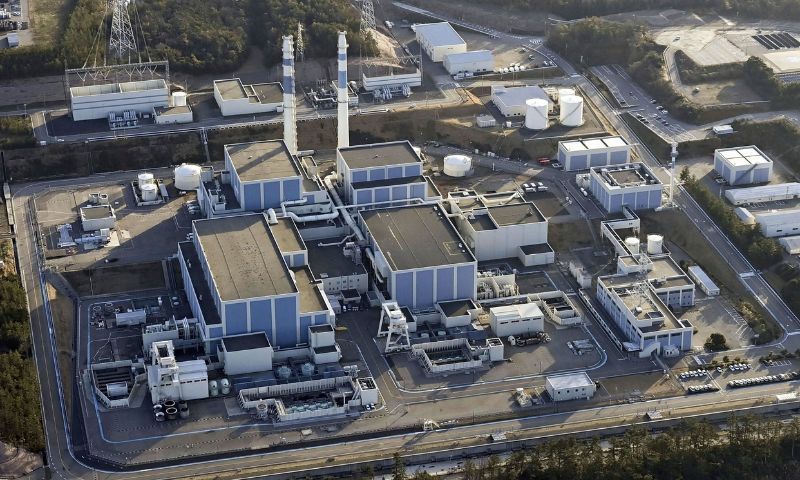
ISLAMABAD: Japan’s nuclear energy sector is under renewed scrutiny after Chubu Electric Power admitted it may have underestimated earthquake risks at its Hamaoka nuclear power plant in Shizuoka Prefecture.
According to AFP, the revelation has raised safety concerns, rattled investors, and cast doubt on the country’s nuclear restart plans nearly 15 years after the Fukushima disaster. Regulators have suspended the plant’s safety review, independent investigations are underway, and local communities are closely monitoring developments as Japan balances energy needs, climate goals, and public confidence.
The revelation has rattled investors, regulators and local communities, and has undercut confidence in safety assessments for nuclear reactor restarts.
The Japanese nuclear power plant operator stated that it may have presented data underestimating earthquake risks to regulators. This comes as a setback to Japan’s move to revive nuclear power nearly 15 years after the Fukushima disaster.
Chubu Electric Power’s Hamaoka plant, located in an area of central Japan at risk of a potential “megaquake”, is undergoing regulatory safety checks, aiming to restart two reactors.
Emergency press conference
The company’s president said late Monday that the estimated maximum seismic ground motion that the plant could experience during a quake “may have been underestimated”.
“This incident could seriously affect the (safety) review process and undermine the trust of local communities and other stakeholders in our nuclear business, and potentially shake its very foundation,” he told reporters during an emergency press conference.
Japan pulled the plug on nuclear power after a colossal earthquake and tsunami sent three reactors at the Fukushima atomic plant into meltdown in 2011.
However, the resource-poor nation now wants to revive atomic energy to reduce its heavy dependence on fossil fuels, achieve carbon neutrality by 2050 and meet growing energy needs from artificial intelligence, according to AFP.
Massive but careful restart
The world’s biggest nuclear plant, Kashiwazaki-Kariwa, is expected to restart operations later this month, pending final approval from the Nuclear Regulation Authority (NRA).
The estimate of maximum seismic ground motion is important for the earthquake-resistant design of nuclear plants.
In September 2023, the NRA approved Chubu Electric’s estimate of 1,200 gal, a unit of acceleration used to measure the intensity of quakes.
But in February last year, the NRA received information from a whistleblower that the utility “may have used data different from what was presented” to the nuclear watchdog, NRA official Keiichi Watanabe told AFP on Tuesday.
Since then, the watchdog has been conducting its own probe, he said.
The NRA suspended its safety review process for the Hamaoka plant in late December, and the issue “will be discussed in meetings open to the public”, the first of which will be held on Wednesday, he said.
The Hamaoka plant is located in Omaezaki, Shizuoka prefecture, near a seismic fault line where a massive Pacific earthquake is expected to occur in the coming years or decades.
In 2024, the Japan Meteorological Agency issued its first special advisory for a possible “megaquake” in the area, known as the Nankai Trough, before lifting it a week later.
The government has said a quake in the 800-kilometre undersea trench and subsequent tsunami could kill as many as 298,000 people and cause up to $2 trillion in damage.
Chubu Electric stated that it had constituted a panel of lawyers to look into the matter.
Sharp investor reaction
Chubu Electric’s share price tumbled nearly 9.9% — its largest single-day drop since 2012 — on concerns that the issue could delay or derail regulatory clearance and undermine trust in Japan’s nuclear policy, according to Reuters
Located in Central Japan’s Shizuoka Prefecture, the Hamaoka nuclear power plant sits within a region seismologists consider highly vulnerable to a major earthquake — possibly a Nankai Trough “megaquake” capable of large ground shaking.
Operators are required to test whether plant designs meet stringent new safety criteria established after the 2011 Fukushima Daiichi disaster, which was triggered by a magnitude 9.0 quake and resulting tsunami that crippled reactors and triggered catastrophic meltdowns, according to PreventionWeb
Political and regulatory fallout
Japan’s national government has been steadily trying to revive nuclear power as part of its energy mix, aiming to reduce fossil fuel imports, lower carbon emissions and ensure stable energy supplies amid economic and geopolitical pressures. However, revelations of inconsistent seismic data have prompted fresh questions about oversight, procedural transparency and public confidence, according to the South China Morning Post
The industry ministry has ordered Chubu Electric to report formally under the electricity business law, and regulators are expected to tighten scrutiny of safety disclosures across the sector to avert any repeat of past lapses, according to Nationthailand.
Japan sits on the seismically active Pacific “Ring of Fire,” making accurate earthquake risk assessments critical for nuclear safety and emergency planning. The 2011 Fukushima disaster highlighted the consequences of underestimating seismic and tsunami risks, prompting major safety overhauls.
Experts warn that miscalculations can endanger lives, infrastructure, and public trust in regulatory systems. Local communities near Hamaoka and other nuclear sites remain concerned about reactor restarts and safety review credibility.
Hamaoka’s reactors No. 3 and No. 4 will stay offline while compliance issues are addressed. Delays at Hamaoka could affect Japan’s broader nuclear revival plans amid growing energy and climate pressures.