KEY POINTS
- The decision was issued through a presidential decree, citing Yemen’s constitution, the GCC Initiative
- The decree urged all UAE forces and personnel withdraw from Yemeni territory
- Saudi Arabia expresses serious concern, warning that UAE actions threaten Saudi security
- Saudi Defence Minister Prince urged the STC to de-escalate tensions
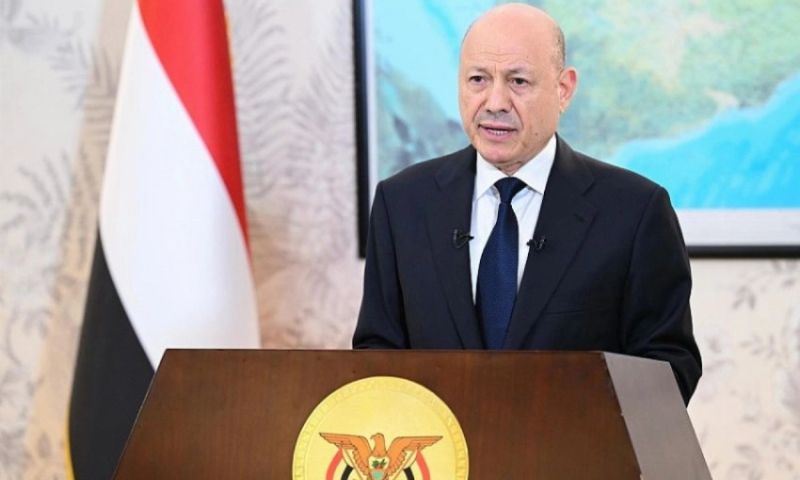
ADEN, Yemen: President of the Presidential Leadership Council of Yemen Dr. Rashad Mohammed Al-Alimi, in a decree, has nullified the joint defence agreement with the United Arab Emirates, the Saudi Press Agency (SPA) reported on Tuesday, citing an official decree.
In the decree, Al-Alimi said the decision was based on the Constitution of Yemen, the Gulf Cooperation Council Initiative and its implementation mechanism, transfer of power, the formation of the Presidential Leadership Council, and the powers granted to it under the constitution.
According to the Yemen News Agency (Saba) report, two of the decree mandates that all UAE forces and personnel withdraw from Yemeni territory within 24 hours.
“Article Three instructs the Homeland Shield forces to assume control of all military camps in Hadramout and Al-Mahara governorates,” it said.
Saudi Arabia concerned over UAE actions
Earlier, the Saudi Foreign Ministry expressed strong concern over recent actions taken by the United Arab Emirates (UAE) in Yemen, warning that such steps pose serious risks to Saudi national security as well as to the stability of Yemen and the wider region.
In a statement referencing an earlier announcement issued on December 25, 2025, the ministry said the Kingdom had been working closely with the UAE to contain escalating developments in the Yemeni governorates of Hadramout and Al-Mahara, according to the Saudi Press Agency (SPA).
ALSO READ: Saudi Arabia Voices Concern over UAE Actions in Yemen, Warns of Security Risks
However, it noted with disappointment what it described as Emirati pressure on forces affiliated with the Southern Transitional Council (STC) to carry out military operations near Saudi Arabia’s southern borders.
Yemen’s sovereignty
It may be recalled that Saudi Defence Minister Prince Khalid bin Salman had called on the Southern Transitional Council (STC) to respond to Saudi mediation efforts and de-escalate tensions in eastern Yemen, urging the group to withdraw its forces from camps in Hadramout and Al-Mahra and hand them over peacefully to local authorities.
Since December 3, STC forces have seized control of parts of Hadramout after clashes with the Hadramout Tribes Alliance and First Military Region troops.
Four days later, they extended their presence to Al-Mahra, which had previously been under government control.
The STC argues that successive governments have politically and economically marginalised the southern regions, a claim rejected by Yemeni authorities, who maintain their commitment to Yemen’s territorial unity.
The STC leader, Aidarous al-Zubaidi, holds a seat on Yemen’s Presidential Leadership Council but has increasingly acted independently.