
Key points
- AI stabilisation enables smooth autonomous flight
- Ultra-light display delivers HD visuals
- Designed for events, advertising, public messaging
ISLAMABAD: China has showcased a new aerial display technology being described as a “flying TV”, after a video of the system circulated widely on social media.
China is ahead of the rest of the world. New advertising surfaces will appear en masse in the upcoming 2026.
In China, drones with LED panels, hovering in the sky, which are controlled by AI and display HD videos, have been unveiled. pic.twitter.com/p4wpRdcHvD
— Sprinter Press (@SprinterPress) December 30, 2025
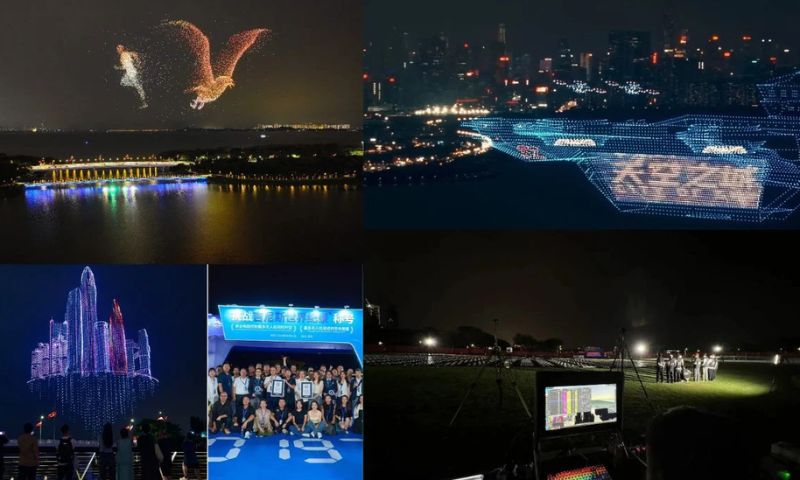
The technology features a drone-powered LED screen that hovers in mid-air, creating the effect of a floating digital billboard. Unlike traditional drones or fixed advertising screens, the device combines ultra-light LED panels with autonomous flight systems, allowing it to operate smoothly while displaying high-definition visuals.
According to details shared online, the airborne display is stabilised using AI-driven gyroscopes and advanced flight control software. This enables the screen to remain balanced and steady during flight, even while moving along pre-programmed paths or being operated remotely.
The system is powered by lithium-polymer batteries and is designed to appear almost weightless as it floats, with footage showing the screen hovering calmly against the sky.
Potential use cases
Observers have noted that the technology blurs the line between drone hardware and digital signage, presenting what some are calling a new category of aerial media.
Potential use cases for the flying display include open-air concerts, sports stadiums, public information broadcasts and large-scale advertising campaigns.
Its ability to operate without physical structures could make it particularly appealing for temporary events or urban environments where traditional screens are impractical.
The viral clip has sparked discussion about the future of AI-powered displays and how emerging technologies could transform public spaces. As one viewer remarked, screens of the future may no longer be mounted on walls — but flying overhead.