
KEY POINTS
- Lahore will revive the Basant kite flying festival in Feb 2026 after 25-year ban.
- The festival will be strictly regulated, allowing kite flying only from Feb 6 to 8.
- Kite flying ban for under-18s and mandatory handlebar wires for bikers.
- Complete ban is imposed on dangerous strings like metallic wire and nylon.
- Digital registration mandatory for all kite sellers and manufacturers.
- Violations carry severe penalties including imprisonment and heavy fines.
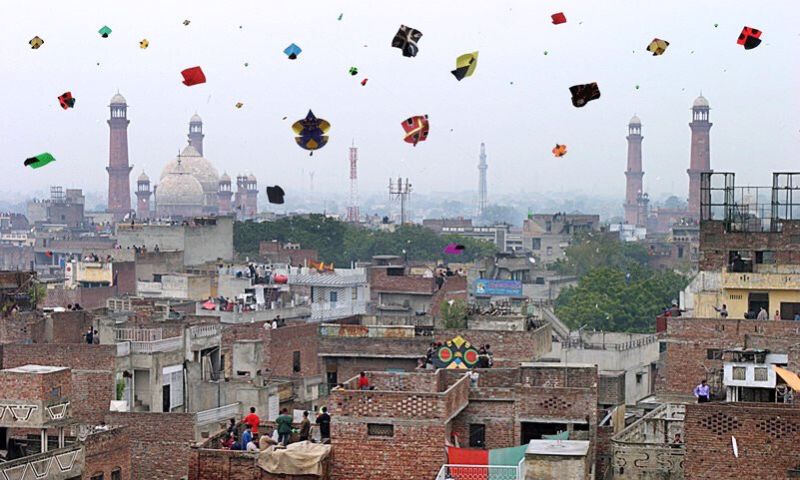
ISLAMABAD: Pakistan’s cultural hub, Lahore, is set to revive the Basant kite flying festival after a 25-year hiatus, with authorities unveiling a detailed regulatory framework that ends the longstanding ban on kite flying across Punjab.
The cautious, safety-focused plan aims to blend vibrant celebration with public welfare.
“Basant is the cultural heartbeat of Lahore, and stitching safety into its fabric is our solemn duty,” stated Deputy Commissioner Syed Musa Raza, announcing a meticulously planned return.
The skies will officially hum with activity from February 6 to 8, 2026, a tight three-day window where kites can dance on the spring breeze.
The ground trade, however, will begin to stir earlier, with kite sales permitted from February 1, allowing shops to bloom with paper and bamboo.
The legal machinery is already in motion, with vendors able to register and begin formal trade from December 30, 2025.
This renaissance, however, comes sheathed in a stern new reality. Determined to prevent the tragic mishaps that led to the original ban, the administration has declared a zero-tolerance war on danger.
Also Read: Pakistan’s Punjab Province Revives Basant Festival After 25 Years with Strict Safety Rules
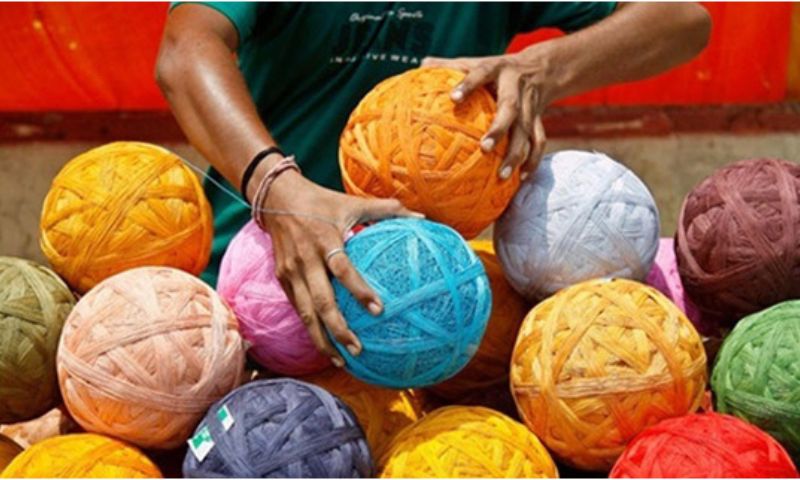
The charkhi, or metal-spooled string, is now banned, with only the safer pinna (roll) string permitted.
A complete ban echoes against the use of nylon, plastic, metallic, or chemically-coated strings, materials once dubbed ‘killer threads’ for their lethal potential.
Every stitch of this new tapestry is traceable. A mandatory digital registration awaits all manufacturers and sellers, with kites bound by strict size limits.
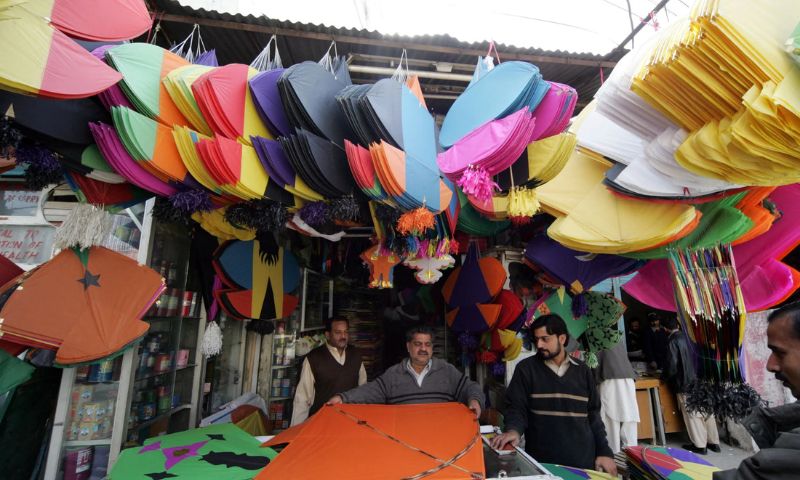
In a modern twist, a QR code ecosystem will be implemented, tagging each kite and its seller to a digital ledger, ensuring every colourful diamond in the sky can be traced back to its source on the ground.
The rules are underscored by the sharp teeth of a new ordinance. Those caught wielding hazardous strings risk three to five years behind bars and crippling fines up to Rs. 2 million.
Also Read: Basant Festival Set to Return to Pakistan in 2026 Under Strict Safety Measures
In a move to protect the young, kite flying is now an adult pursuit, barred for anyone under 18, with parents facing fines of Rs. 50,000 to Rs. 100,000 for violations.
Even the city’s motorcycle riders are woven into the safety net, mandated to install protective safety wires on their handlebars.
Thus, Lahore prepares not for a reckless revelry but for a regulated renaissance. The joy of the unfettered kite is being carefully tethered to the uncompromising pillars of safety and accountability.
When Basant finally returns in 2026, it will be a festival reborn, its vibrant spirit soaring high, but securely anchored in the promise of a safer sky for all.