Key Points
- Vehicles without M-Tags will be barred from entering the city from January 1.
- Capital Smart City plan integrates Rescue 1122, traffic, security, and municipal services into a centralised command system.
- Initiative intended as a model for nationwide adoption, emphasising citizen safety and service efficiency.
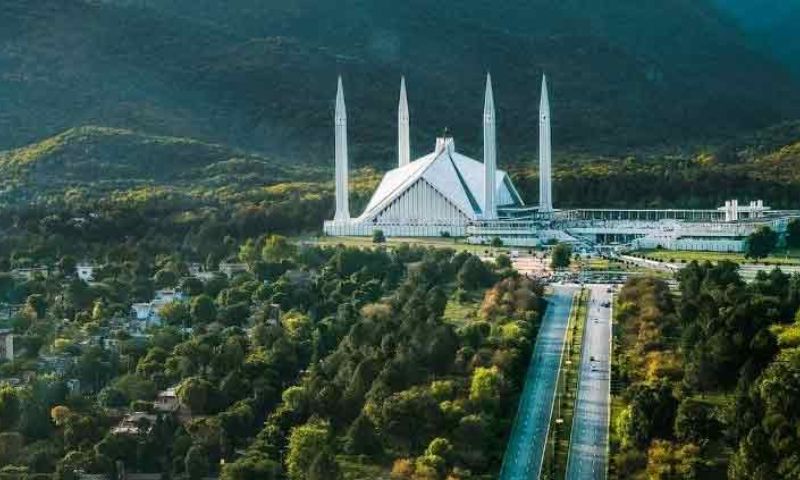
ISLAMABAD: Pakistan’s capital will soon transform into the country’s first Capital Smart City, Interior Minister Mohsin Naqvi announced on Sunday, highlighting upgrades in technology-driven governance, urban security, and public service delivery.
The announcement was made during a visit to the Safe City Headquarters, where Naqvi was accompanied by Minister of State for Interior Talal Chaudhry.
Naqvi confirmed that, effective January 1, vehicles without an M-Tag will not be allowed to enter Islamabad, a measure aimed at improving traffic management and security screening. He reviewed the city’s digital monitoring systems on the Safe City digital wall and inspected public-safety operations, including the special Chinese security surveillance desk.
Describing technological reforms as “the need of the hour,” the Interior Minister directed authorities to accelerate work on the Capital Smart City project, which will integrate key citizen-support and emergency services, including Rescue 1122, traffic management, security operations, and the Capital Development Authority’s Municipal Administration (CDMA), into a centralised smart-command system.
Naqvi said the project will eventually expand nationwide, with Islamabad serving as a model. “The Capital Smart City initiative will help make Islamabad one of the safest cities in the country,” he said, emphasising that the safety of citizens’ lives and property is a top government priority.
During his visit, Naqvi was briefed by the Inspector General of Islamabad Police on the transition from the Safe City system to the broader Capital Smart City framework. Officials noted that during Muharram‑ul‑Haram, Safe City surveillance cameras significantly reduced the time and resources required for security operations.
The meeting was attended by the Federal Interior Secretary, the Chief Commissioner of Islamabad, the Additional Deputy Commissioner General, and other senior officials. Naqvi reiterated that the Smart City model would enhance service delivery, improve response times, and strengthen urban security management across Pakistan.