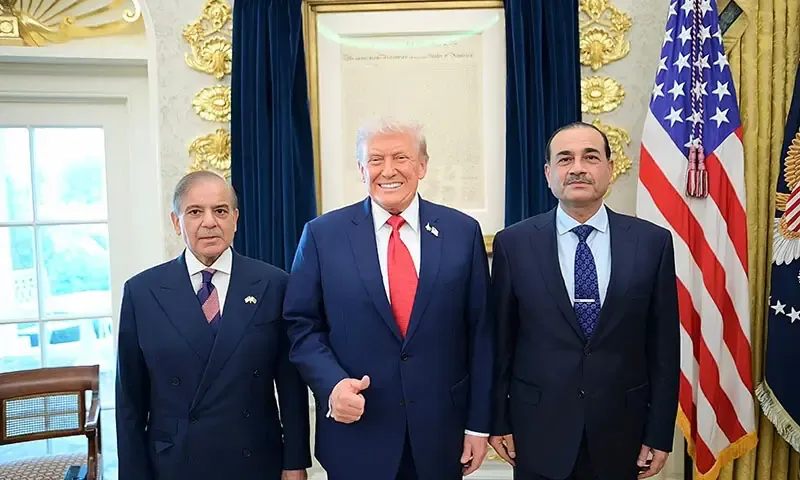
WASHINGTON: Pakistan has undergone a dramatic reassessment in Washington over the course of 2025, evolving from a marginalised and mistrusted partner into a central element of President Donald Trump’s emerging South Asia strategy, according to an analysis published by The Washington Times.
The report says U.S. officials who once dismissed Pakistan are now describing it as responsive, useful, and increasingly flexible. What began as limited, cautious engagement developed into a “virtuous cycle,” in which incremental cooperation by Islamabad generated goodwill in Washington, leading to deeper engagement and accelerated strategic alignment.
“Yet by the end of 2025, Pakistan appears to have gone from pariah to partner. Few nations have experienced a reputational swing as swift or dramatic. Pakistan has emerged as a pillar of President Trump’s evolving foreign policy vision for South Asia,” the major American daily newspaper said.
A decisive moment in this shift came during Pakistan’s brief but intense military confrontation with India in May. According to the report, Pakistan’s performance — marked by discipline, strategic focus, and effective asymmetric capability — surprised President Donald Trump and senior U.S. officials. The episode prompted a reassessment among policymakers who had previously regarded Pakistan as a declining power, leading them to once again view it as a serious regional actor.
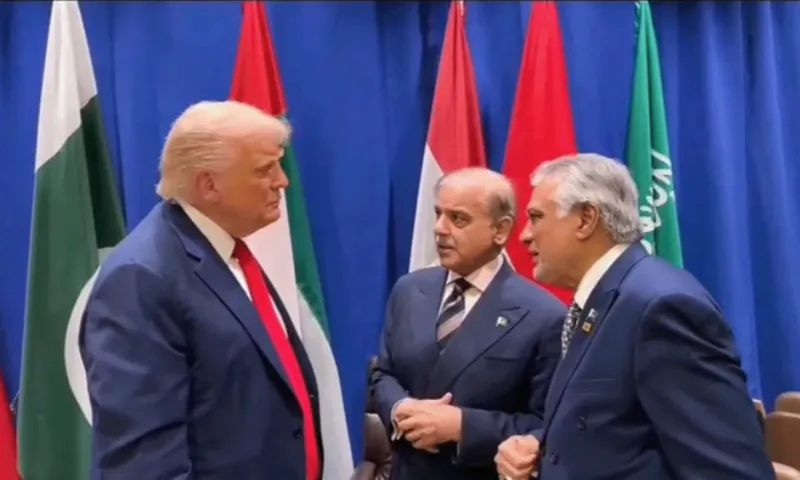
The Washington Times notes that this reassessment marked a significant shift from Washington’s outlook at the start of 2025. At the time, U.S. officials were cautious about Islamabad’s political alignment and viewed Pakistan as facing diplomatic and economic challenges. Concerns were also raised about transparency within the country’s security establishment, while analysts warned Pakistan was navigating one of its more complex national security periods in recent years.
“Each small gesture of cooperation from Islamabad generated unexpected goodwill in Washington, which in turn encouraged deeper engagement. What had long been a brittle, transactional relationship began to gain greater significance as both sides adjusted to new strategic realities,” The Washington Post reported.
Despite a gradual economic recovery following the devastating 2022–2023 floods, Pakistan remained heavily dependent on external financing, reinforcing concerns in Washington about its long-term stability and strategic value, the report says.
The initial U.S. approach under Trump’s advisers had favoured an India-first strategy, with expectations that Washington would double down on New Delhi as its primary regional partner while sidelining Islamabad. Pakistan’s close relationship with China further fuelled American unease.
However, the report notes that doubts were simultaneously growing in Washington about India’s trajectory. Concerns over majoritarian domestic politics, constraints on civil liberties, uneven military performance, and increasing diplomatic rigidity began to challenge long-standing assumptions about India’s reliability as a regional stabiliser.
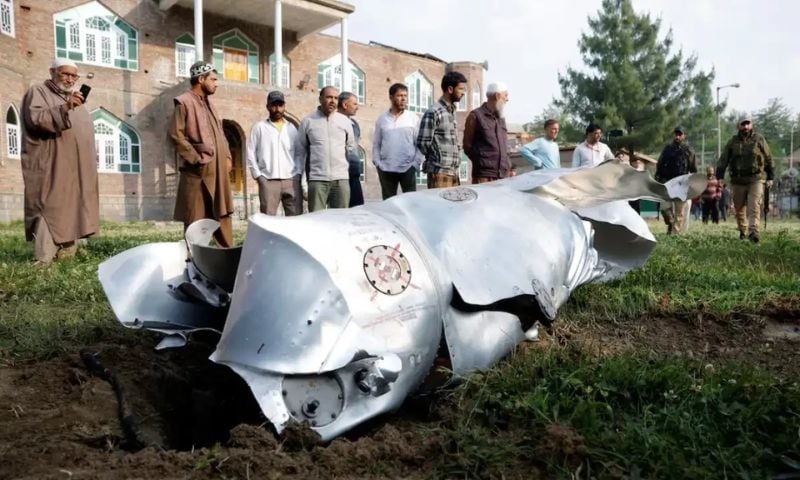
Against this backdrop, early counterterrorism exchanges between Washington and Islamabad signalled a potential thaw. The shift became publicly visible when Trump unexpectedly praised Pakistan’s cooperation in a national address in March — remarks that reportedly caught much of the U.S. foreign policy establishment off guard.
Islamabad, the report says, seized the opportunity. Each cooperative gesture earned credibility in Washington, which in turn encouraged further engagement. What had long been a transactional and brittle relationship began to acquire strategic depth.
Pakistan’s standing was further strengthened by its response to Trump’s role in brokering a ceasefire with India. While New Delhi downplayed U.S. mediation efforts, Pakistan’s receptiveness was noted positively in Washington. The contrast, the report suggests, contributed to Pakistan’s rising profile within the administration.
The Washington Times also highlights Pakistan’s internal military reforms, including the consolidation of command structures under Field Marshal Asim Munir, as reinforcing perceptions of institutional discipline and strategic coherence.
By early 2026, the report concludes, Pakistan had positioned itself near the centre of Washington’s thinking on South Asia and parts of the Middle East. U.S. officials increasingly view Islamabad as offering multiple strategic advantages, including a discreet channel to Iran, relevance to shifting Middle East dynamics, and a potential counterbalance to China’s expanding regional influence.
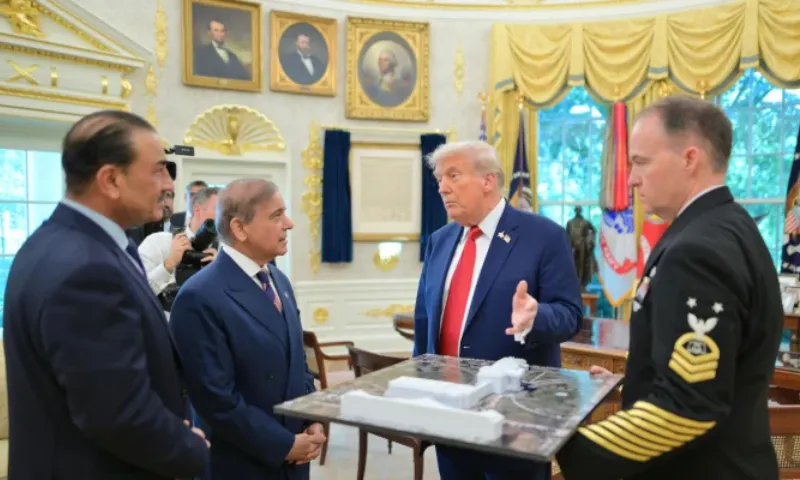
As a result, Pakistan has become embedded in nearly every major U.S. discussion on South Asia and regional security — a transformation few in Washington would have anticipated at the beginning of 2025. While the report cautions that the shift may not be permanent and will depend on choices made by both Islamabad and New Delhi, it concludes that Pakistan has already reshaped U.S. strategic calculations and reasserted itself as a consequential regional partner.
“Pakistan was increasingly seen as an emerging strategic asset whose capabilities could underpin the broader South Asia vision. The country’s military modernisation gained fresh momentum from this renewed global relevance, including an overhaul of the armed forces’ command structure and the creation of a new top-tier post, chief of defence forces, now held by Field Marshal Asim Munir, who also serves as army chief,” adds the Washington Post.
Its geopolitical impact is already evident. Pakistan has, in the view of the U.S. administration, re-established itself as an important actor in regional and broader international strategy, contributing to a recalibration of U.S. policy and influencing the strategic balance in South Asia during 2025.