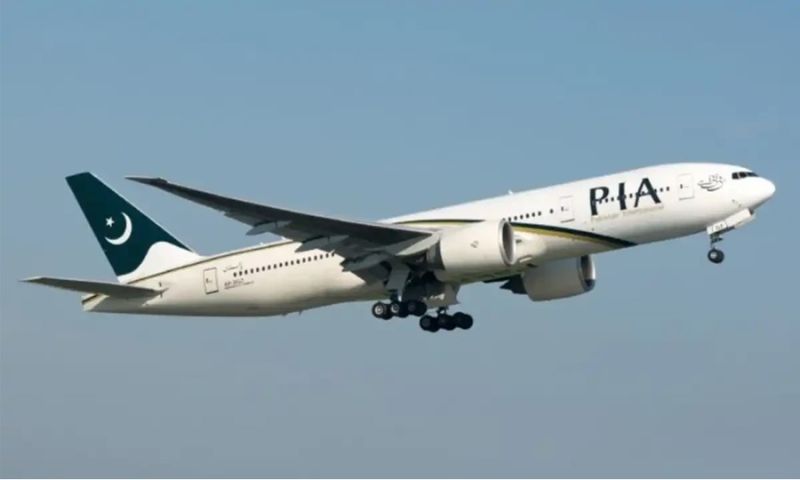
ISLAMABAD: Pakistan will proceed on Tuesday with the privatisation of Pakistan International Airlines through a live, televised auction, marking a decisive test of its reform agenda as investors closely watch the process.
Officials say the format is designed to signal transparency and rebuild investor confidence. Most of Pakistan’s previous privatisation processes were completed in the presence of journalists, but it would be the first live telecast privatisation of the country.
Fauji Fertiliser Company Ltd, earlier viewed as a strong contender, has decided not to participate in the bidding scheduled for December 23. Adviser to the Prime Minister on Privatisation Muhammad Ali confirmed the decision. He said Fauji Fertiliser could still join a successful consortium later, provided it does not take part in the auction itself. The restriction aims at preventing collusion.
Who Remains in the Race
Three bidders are now competing for control of PIA. One consortium is led by Lucky Cement, alongside Hub Power, Kohat Cement and Metro Ventures. Another is led by the Arif Habib Group, with partners including Fatima Fertiliser, The City School and Lake City Holdings. The third bidder is Airblue, Pakistan’s largest private airline.
The government is offering 75 per cent of PIA’s shares in the initial transaction. Only 7.5 per cent of the bid amount will be paid to the government in cash. The remaining 92.5 per cent will be injected directly into the airline. Officials say this money will be used to support operations, fleet expansion and restructuring. The winning bidder will have the option to acquire the remaining 25 per cent stake within a defined period at a premium to the bid price.
Safeguards for Employees
The sale structure includes protections for PIA staff. Employees have been assured 12 months of job security. Pension liabilities of retired workers will remain intact with a government holding company. Officials say this reduces risk for incoming investors and provides stability during the transition period.
Ahead of privatisation, the government transferred a significant portion of PIA’s legacy liabilities out of the operating company. Tax treatment was also improved. These steps helped stabilise the balance sheet. PIA returned to profitability in the last financial year after years of losses, strengthening the case for privatisation.
Why the Sale Matters Beyond Pakistan
For international observers, the PIA transaction is a key test. Past attempts to privatise major state assets have failed. This process is being closely watched by investors, lenders and policymakers. Many see it as a measure of Pakistan’s commitment to structural reform.
PIA holds valuable traffic rights with nearly 100 countries. It also has landing slots at major global airports. Analysts say these assets could unlock long-term value if supported by capital and professional management.
Privatisation Beyond PIA
The airline sale is part of a broader government programme. More than two dozen state-owned enterprises have been identified for privatisation, strategic partnership or concession. These include banks, insurance companies, industrial firms and infrastructure assets. Major airports in Karachi, Lahore and Islamabad are also slated for long-term concessions. Certain power distribution and generation companies are also on top of the privatisation list.
Officials say the wider plan is intended to reduce fiscal pressure, improve service delivery and attract investment.
The programme is aligned with reforms under a broader framework of economic reforms backed by the International Monetary Fund (IMF).
As sealed bids are opened on December 23, the outcome will shape PIA’s future. It will also test the credibility of Pakistan’s wider privatisation drive at a critical moment for the economy.