
KEY POINTS
- India blocked screenings of pro-Palestine films at the International Film Festival.
- Activists report increased pressure on students and organisers.
- Rights groups warn the moves reflect erosion of free speech and academic freedom in India.
ISLAMABAD: India has faced criticism after New Delhi blocked screenings of nearly 20 pro-Palestine films at the International Film Festival of Kerala and also pressured students and campus organisers expressing solidarity with Palestinians.
Observers say the actions signal wider constraints on free expression and academic freedom, with rights groups citing India as an example of shrinking civic and campus space, according to The Wire.
Indian government officials cite procedural rules for film clearance, though critics argue that content played a role in the denials, according to The Narrative.
At the International Film Festival of Kerala (IFFK), the federal Ministry of Information and Broadcasting declined permission for nearly 20 films, including several focusing on Palestinian experiences, to be shown as part of the festival programme.
Festival organisers in the state of Kerala, however, moved ahead with some screenings despite the central government’s position, according to TRT World.
Observers and critics argue the move is symptomatic of a broader effort to regulate and suppress public expressions of solidarity with Palestinians amid the ongoing conflict in Gaza.
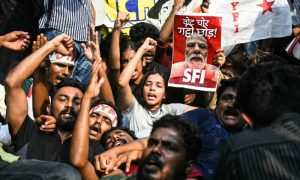
Some activists say that authorities have been wary of protests and student activism linked to the issue, alleging pressure on campus organisers and dissenting voices.
Separately, a report by international academic freedom monitors cited India as an example of shrinking academic liberties, where political interference and restrictive policies affect campus discourse and public debate, according to The Wire.
Supporters of the government’s approach note that statutory clearance rules apply to film festivals and that procedural issues played a role in screening decisions.
Indian government officials have not publicly cited specific reasons tied to content for the clearance denials.