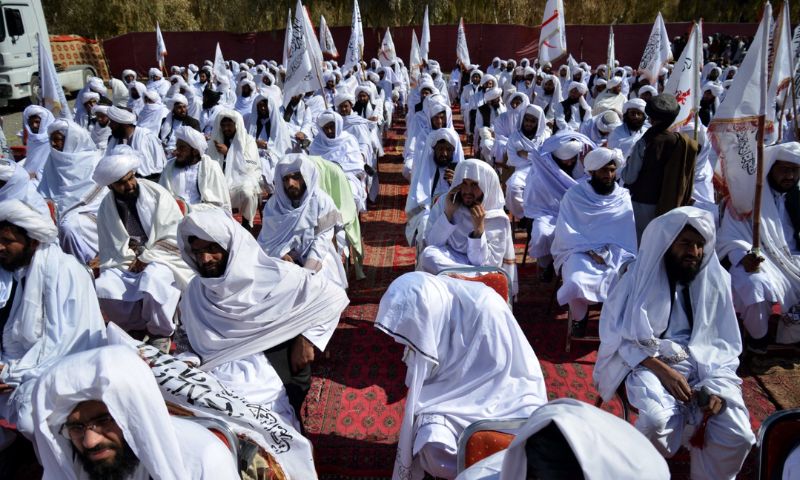
KABUL: Afghanistan’s Taliban government has rapidly expanded religious madrasa schools since taking power in 2021, reshaping the country’s education system in ways that critics say could deepen ideological control over future generations.
The policy shift follows a series of Taliban directives aimed at overhauling Afghanistan’s education system, including leaked internal documents reported by local media in late 2022 that outlined plans to “Islamise” school curricula nationwide.
The Taliban have said the changes are necessary to align education with religious principles, while critics warn the approach risks narrowing academic content and embedding ideological conformity across classrooms.
According to The National Interest, a US-based foreign policy magazine, the Taliban have encouraged the rapid growth of religious schools while restricting or reshaping the formal education system, particularly for girls. Officials say schools for girls will not fully reopen until curricula are revised to align with what the group describes as “Islamic principles”.

Leaked internal Taliban documents suggest a broader ideological overhaul is underway. In December 2022, the Afghan daily Hasht-e Subh published parts of an internal assessment of Afghanistan’s school curriculum prepared during the Doha negotiations. The document proposed a comprehensive restructuring of education.
Historically, madrasas across the Islamic world played a central role in intellectual life, teaching subjects ranging from theology and law to philosophy, science and literature. Scholars such as Ibn Sina (Avicenna), al-Biruni and al-Farabi emerged from institutions that valued debate, pluralism, and inquiry.
Political scientist Ahmet Kuru has argued that early madrasas were largely independent of state control, funded through private endowments and supported by merchants and elites. However, the relationship between religious institutions and political power shifted over time, particularly during the colonial period and the rise of modern nation-states.
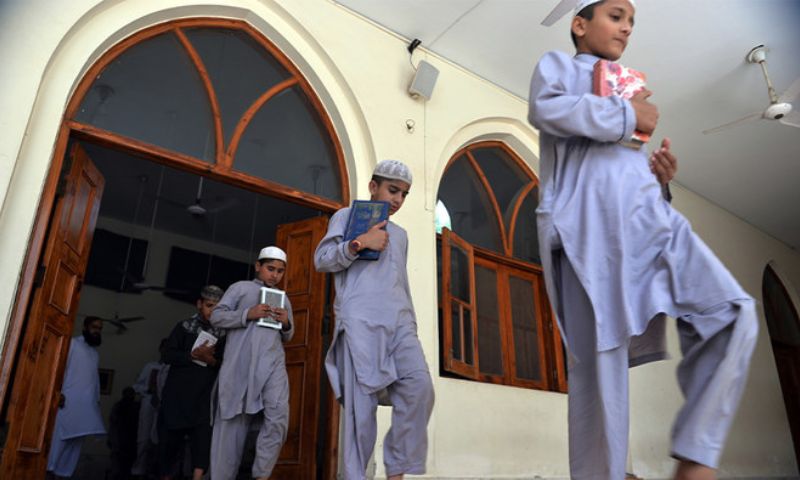
The Taliban emerged from madrasa networks that expanded across the Afghanistan-Pakistan border during the anti-Soviet jihad of the 1980s. Since 2021, they have intensified state control over education, integrating madrasas more deeply into governance and social services.
According to Afghan and UN sources, the number of Taliban-approved madrasas has now exceeded 23,000. In many areas, access to food aid, employment opportunities, and social assistance is reportedly linked to families enrolling their children in these institutions.
Security analysts say this expansion coincides with continued links between the Taliban and militant groups. United Nations monitoring reports indicate the Taliban maintain ties with more than 20 regional and international extremist organisations, including Al-Qaeda.
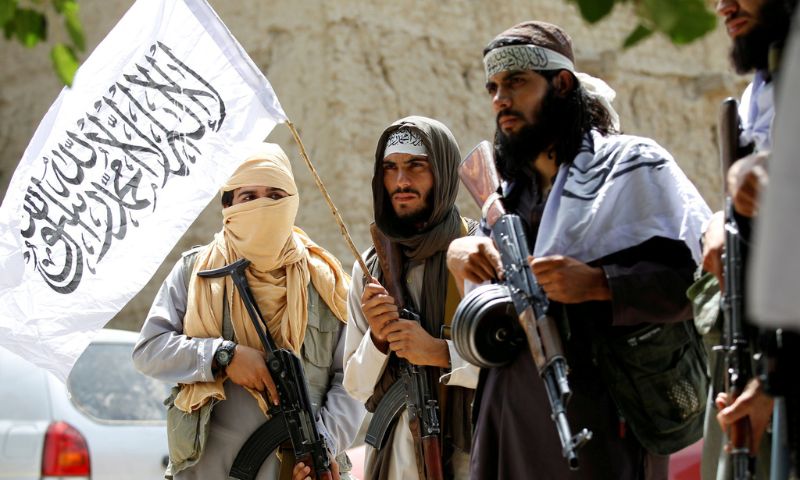
The killing of Al-Qaeda leader Ayman al-Zawahiri in Kabul in 2022, in a residence linked to the Haqqani Network, highlighted concerns over the Taliban’s counter-terrorism commitments. Tensions with Pakistan have also escalated, partly over Afghan Taliban support for terrorist groups like the Tehreek-e-Taliban Pakistan (TTP), which has carried out attacks inside Pakistan.
Critics argue the Taliban’s education strategy represents more than domestic authoritarianism. They warn that it could have long-term regional and global implications by producing a generation educated within a rigid ideological framework that rejects pluralism and critical thought.
International advocacy has largely focused on reopening schools for girls. However, education experts caution that access alone may not be sufficient if curricula are designed to enforce a particular ideological conformity.
Western governments and aid agencies face growing pressure to reassess engagement strategies, amid concerns that legitimising Taliban-run education systems could entrench extremism rather than counter it.
The Taliban have repeatedly denied accusations of indoctrination, saying their policies reflect Afghan values and Islamic traditions. But historians and scholars argue Afghanistan’s religious and cultural heritage has long been shaped by diverse Persianate and pluralistic traditions — traditions they say are now at risk of being erased.