

KEY POINTS
- 962 terrorist-linked accounts and content items were reported across six major platforms
- 680 cases were blocked, but 282 remain pending action
- TikTok and Facebook recorded the highest number of reported cases
- X shows the widest gap between reports and blocks
- Encrypted platforms act faster, but risks persist in closed networks
ISLAMABAD: Terrorist groups are increasingly exploiting mainstream social media platforms to spread hate content, propaganda, recruit supporters, and coordinate activities, and hundreds of their accounts have not yet been blocked, so far.
Fresh enforcement data, available with WE News, highlights the scale of online extremist activity and exposes uneven responses by major technology companies.
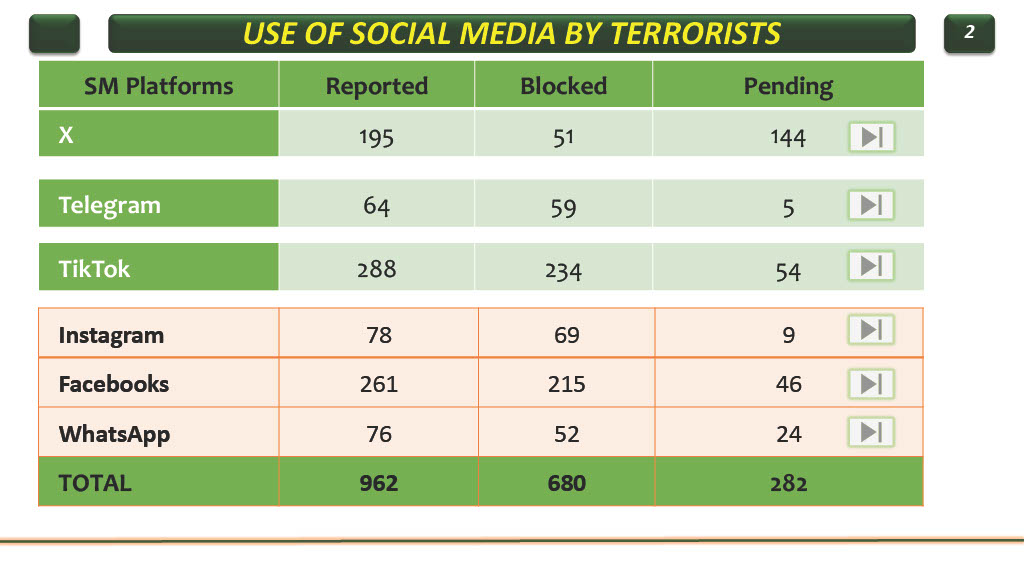
A total of 962 terrorist-linked accounts and content instances were reported across six digital platforms.
Of these, 680 were blocked. Another 282 cases remain pending, showing how extremists continue to exploit delays and gaps in enforcement.
TikTok emerged as the most heavily targeted platform. It accounted for 288 reported cases, close to one-third of the total.
Authorities blocked 234 accounts or content items, but 54 cases are still awaiting action.
Analysts say short-form video is increasingly used to glorify violence, amplify ideological narratives and reach younger audiences at speed.
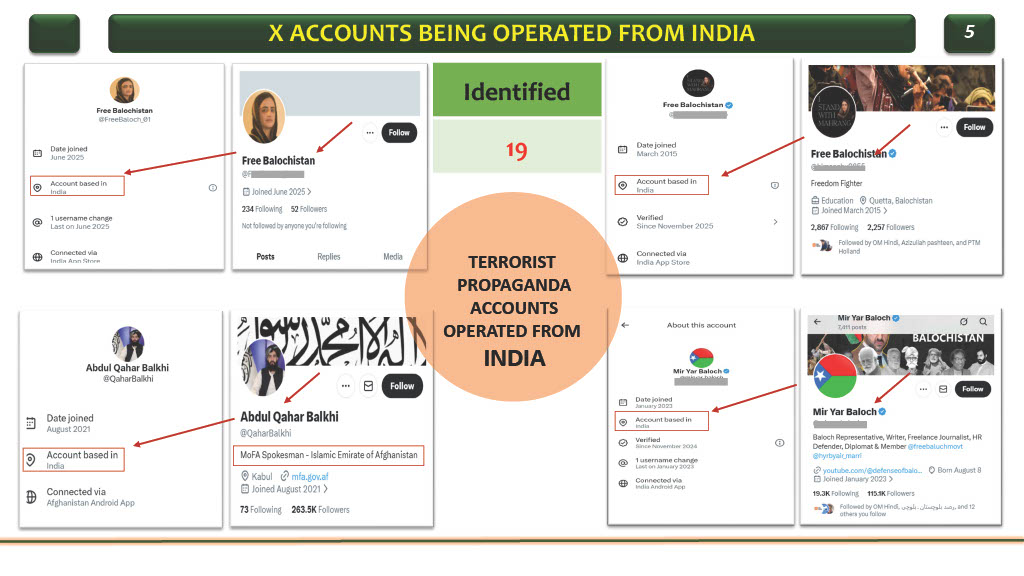
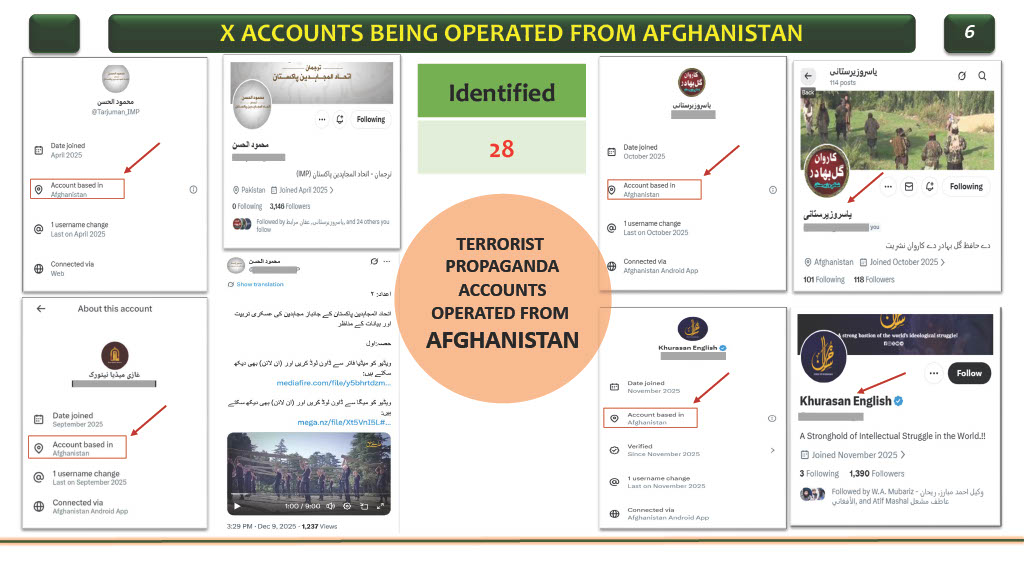
Most of the account images and screenshots could not be published due to journalistic ethos.
Facebook followed with 261 reported cases. Of these, 215 were blocked, and 46 remain unresolved.
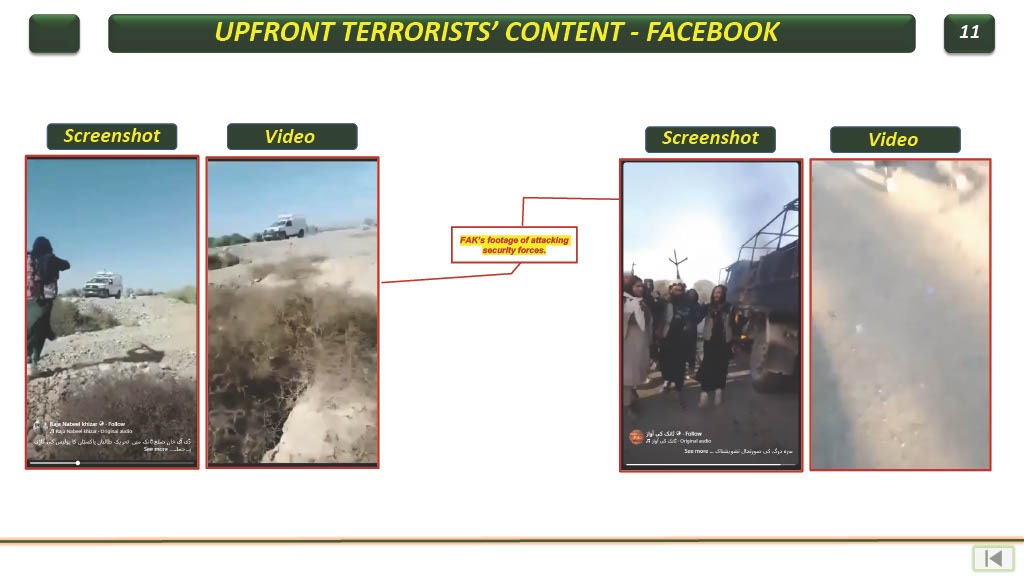
Despite years of investment in counter-terrorism systems, the platform still struggles due to its vast scale and the repeated use of coded language and recycled material by extremist networks.
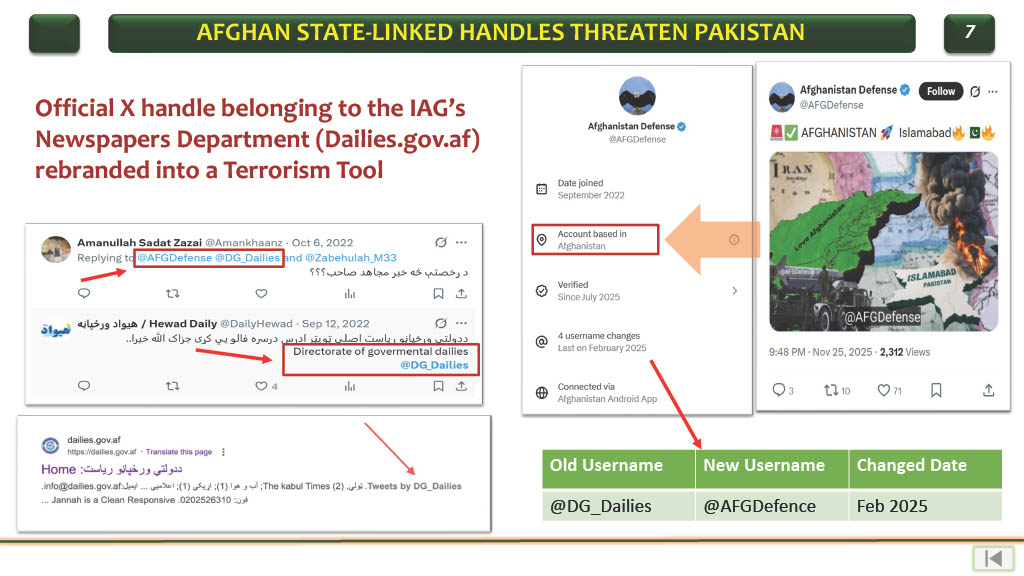
On platform X (formerly Twitter), 195 cases were reported. Only 51 resulted in blocks. A large 144 cases remain pending.
The gap points to enforcement bottlenecks and has renewed debate over moderation policies, platform governance and the balance between free expression and security.
Telegram, often viewed by security agencies as a preferred space for extremist communication due to encryption and channel-based broadcasting, showed comparatively stronger action.
Of 64 reported cases, 59 were blocked, and only five were pending. Experts caution that lower numbers do not reflect lower risk, as the platform often hosts more committed networks operating away from public view.
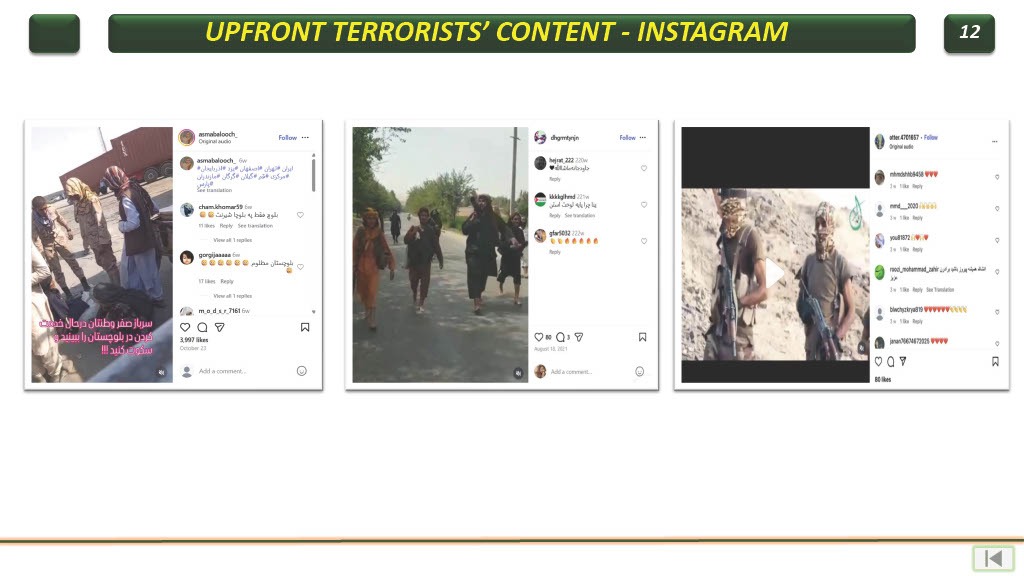
Instagram recorded 78 reported cases. Authorities blocked 69 and left nine pending, indicating relatively swift enforcement.
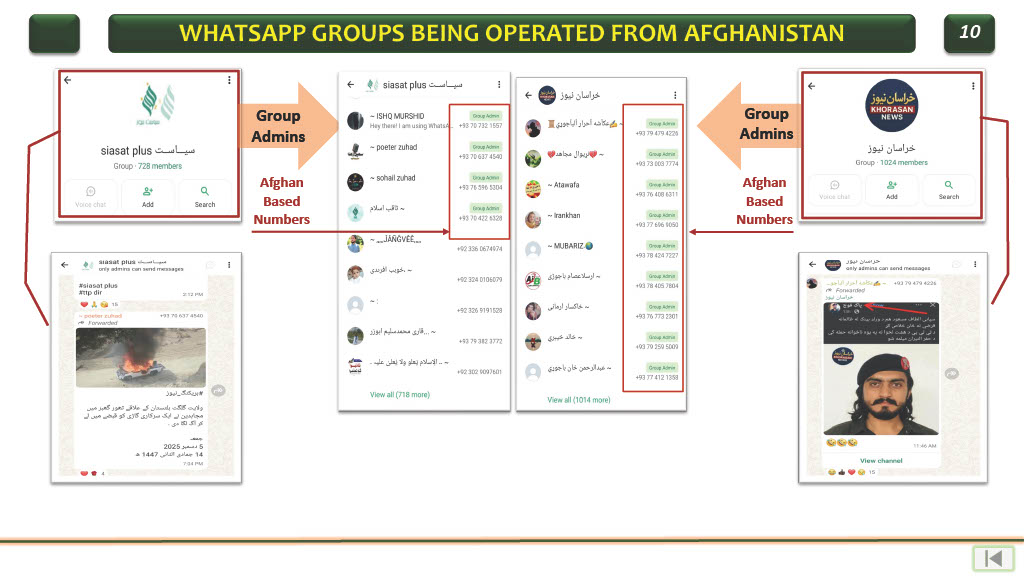
WhatsApp saw 76 reported cases, with 52 blocked and 24 under review. The figures underline the difficulty of moderating private messaging services, even with reporting mechanisms in place.
Security specialists say the data reflects a familiar pattern. Extremist groups adapt quickly.
They shift platforms, tactics and language faster than regulatory and corporate responses can keep pace. Delays allow propaganda to spread, be reshared and archived before takedowns occur.
The figures have renewed calls for stronger cooperation between governments, security agencies and technology companies.
Experts argue for faster takedown systems, clearer accountability and greater transparency in moderation outcomes. Without sustained pressure and technological upgrades, analysts warn that social media will remain a contested digital battlefield for extremist groups.