ISLAMABAD: Iran will host a high-level regional summit early next week, bringing together Afghanistan’s six neighbouring countries — Pakistan, Iran, China, Uzbekistan, Tajikistan, and Turkmenistan — along with Russia.
The meeting comes as diplomatic efforts intensify to ease escalating tensions between Islamabad and Kabul.
According to sources familiar with the preparations, Tehran has also extended an invitation to the Afghan interim government, marking the first time Kabul has been included in the format since the group took power in 2021.
The upcoming meeting represents the latest attempt by regional stakeholders to stabilise relations between Pakistan and Afghanistan after months of cross-border clashes and militant attacks that have deepened mistrust. Diplomats say reducing bilateral tensions will be the primary focus of the talks.
The regional grouping was originally formed after the Taliban takeover in August 2021 on Pakistan’s initiative, with the first meeting held in Islamabad, followed by a virtual session hosted by Iran and rotating gatherings in other member states.
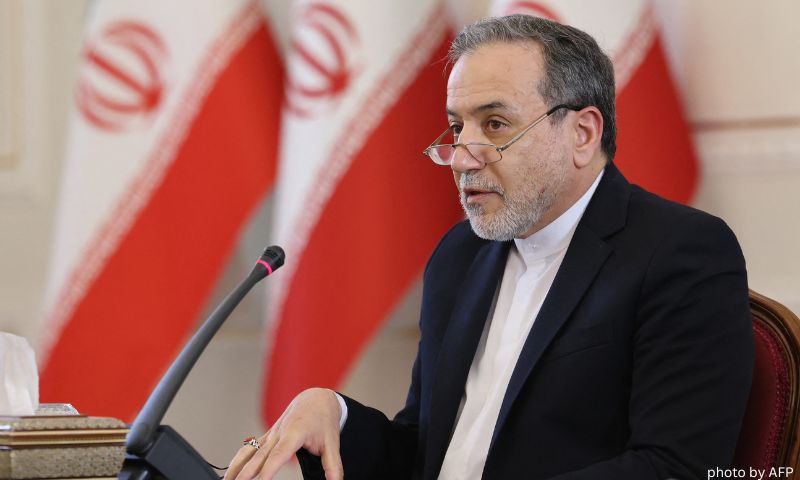
Although a meeting was previously planned in Turkmenistan, Tehran moved to convene the summit amid a deteriorating security climate. Iranian officials have signalled their intention to play an active mediating role, especially after Tehran’s foreign minister publicly offered last week to help defuse the Pakistan–Afghanistan standoff.
Sources also indicate the possibility of a Pakistan–Afghanistan bilateral meeting on the sidelines, with Islamabad expressing no objection should Kabul agree. The summit will be attended by representatives specifically responsible for Afghan affairs from each participating country.
Pakistan continues to face near-daily militant attacks, many of which it attributes to groups operating from Afghan soil. Recent incidents have heightened public pressure on Islamabad to push Kabul for concrete action. Officials argue that Pakistan’s security challenges are far more acute than those faced by other Afghan neighbours, making regional cooperation indispensable.
Sources said countries like Russia and China, both of which maintain working relations with the Taliban interim government, have also signalled their willingness to help end the current hostility.
China, in particular, is concerned that unresolved tensions threaten its broader regional plans, including extending the Belt and Road Initiative (BRI) through Afghanistan. Beijing has engaged Kabul through joint foreign ministry-level dialogues, but progress remains limited because Pakistan–Afghanistan ties remain strained.
A prolonged rift between the two neighbours also jeopardises major connectivity and energy projects. The planned Uzbekistan–Afghanistan–Pakistan railway, which recently advanced to the feasibility study phase, cannot move forward without improved cross-border security.
Similarly, progress on the CASA-1000 energy transmission line from Central Asia to Pakistan, which must pass through Afghanistan, has stalled amid instability. Even Turkmenistan’s flagship connectivity proposals—backed also by India for future access—remain contingent on stability between Islamabad and Kabul.
Regional analysts say the Tehran summit carries added significance because previous rounds of Pakistan-Afghanistan talks in Doha, Istanbul, and Saudi Arabia involved only mediators and did not include Afghanistan’s neighbours as a collective forum. This time, however, regional powers will seek a broader consensus to address cross-border militancy, trade disruptions, and connectivity setbacks affecting the entire region.
The meeting, now scheduled for early next week, is seen by diplomats as the most consequential gathering since the Taliban’s return to power—one that could lay the groundwork for easing tensions and reviving stalled regional projects.