
KEY POINTS
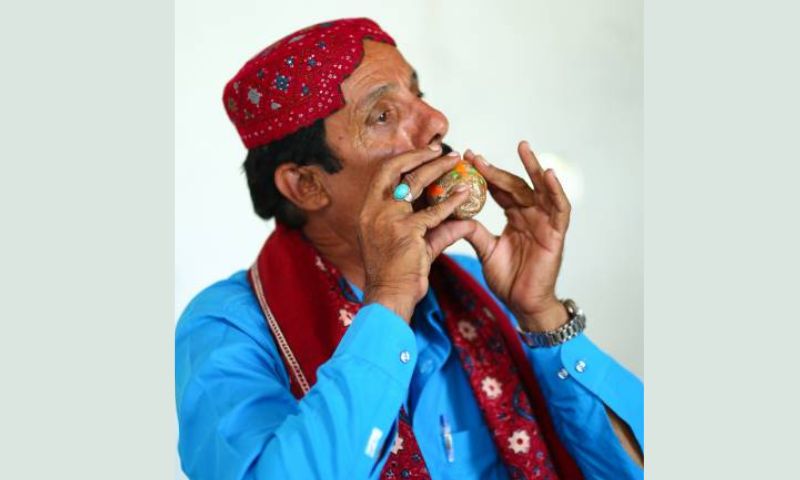
- Boreendo is a clay wind instrument from the Indus Valley Civilization.
- Two living masters, Ustaad Faqeer Zulfiqar and Allah Jurio, continue to preserve the Boreendo’s legacy.
- National preservation plan to train artisans and incorporate Boreendo in educational systems.
ISLAMABAD: In a remarkable achievement for Pakistan’s cultural heritage, UNESCO has officially inscribed Boreendo (Bhorindo), an ancient folk musical instrument from Sindh, on its List of Intangible Cultural Heritage in Need of Urgent Safeguarding.
This recognition follows the tireless efforts of the National Heritage and Culture Division, with strong support from the Sindh Government and Lok Virsa, the national institution responsible for preserving intangible cultural heritage.
🔴 BREAKING
New inscription on the Urgent Safeguarding List of #IntangibleHeritage: Boreendo, Bhorindo: ancient dying folk musical instrument, its melodies, knowledge, and skills, #Pakistan🇵🇰.https://t.co/xoL14QjPPR #LivingHeritage pic.twitter.com/iIlOFn1bhF
— UNESCO 🏛️ #Education #Sciences #Culture 🇺🇳 (@UNESCO) December 9, 2025
Boreendo, one of the oldest surviving clay wind instruments, is believed to be over 5,000 years old, deeply rooted in the traditions of the Indus Valley Civilization.
This small, round, unassuming clay instrument, with its soft, earthy tones, has been the heart of winter gatherings, village celebrations, and communal rites for centuries.
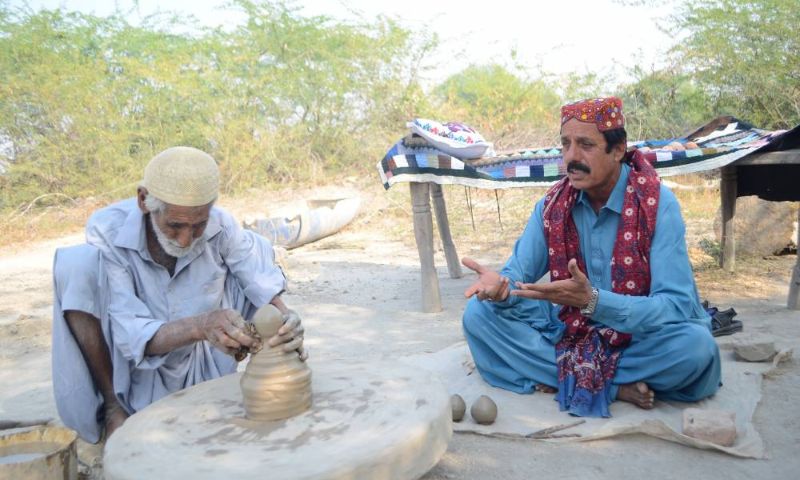
Yet today, only two living practitioners, Ustaad Faqeer Zulfiqar, a master musician, and Allah Jurio, a gifted craftsman, remain to safeguard this delicate art form.
Their knowledge and skill are a living embodiment of the spiritual depth, craftsmanship, and everyday rhythms of Sindh’s ancient communities.
The UNESCO listing is not just a symbolic recognition but also a catalyst for a national safeguarding plan aimed at revitalizing this fading tradition.
The plan includes the training of young artisans, incorporating Boreendo music into formal and informal education systems, and creating meaningful economic opportunities for the community of Keti Mir Muhammad Lund.
These initiatives aim to ensure the preservation of both the instrument’s intricate design and its soulful melodies for future generations.
Boreendo’s humble yet beautiful design, meticulously crafted and often adorned by the women of the village, stands as a powerful symbol of resilience, sustainability, and identity.
With this UNESCO inscription, Pakistan’s cultural heritage guardians have been honored on the world stage, and the gentle breath of the Boreendo will continue to echo, preserving the ancient stories and sounds of the Indus for generations to come.
Tracing Back to the Indus Valley Civilization
The Boreendo, a clay wind instrument over 5,000 years old, originates from the Indus Valley Civilization, particularly from Mohenjo-Daro.
Deeply connected to the Sindh region’s culture, it is crafted from local alluvial clay, reflecting the harmony between the instrument and the natural environment.
Traditional Craftsmanship
Made of sun-dried clay, the Boreendo is spherical or egg-shaped with holes for pitch control and a mouthpiece for producing calming sounds.
Men traditionally craft it, while women decorate it with intricate clay paint, adding cultural significance through design.
Integral to Sindhi Folklore and Sufi Traditions
The Boreendo is central to Sindhi folklore and Sufi rituals, played during winter bonfires (autak or Mach kachahri).
Its serene melodies are intertwined with spiritual expressions and community celebrations, symbolizing peace and devotion.
Modern Developments & Challenges
Contemporary artist Fakir Zulfiqar Ali Lund expanded the Boreendo’s range by adding extra holes.
However, the instrument faces decline as modern music trends appeal to younger generations, threatening the continuity of this ancient tradition.
UNESCO added the Boreendo to its List of Intangible Cultural Heritage in December 2025, acknowledging the need for urgent preservation.
Efforts include documenting its craftsmanship, integrating it into education, and ensuring the continuation of this cultural tradition through future generations.