


KEY POINTS
- Pakistan’s finance minister warns climate shocks could cut GDP by 0.5%
- Says population growth eroding real economic gains
- Urges rapid action on stunting, learning poverty and urban vulnerabilities
- Calls for outcome-based financing and youth-led digital transformation
ISLAMABAD: Climate vulnerability and rapid population growth are now Pakistan’s most significant economic threats, limiting its ability to achieve sustained development and long-term growth.
Pakistan is attempting to move from stabilisation toward durable economic expansion.
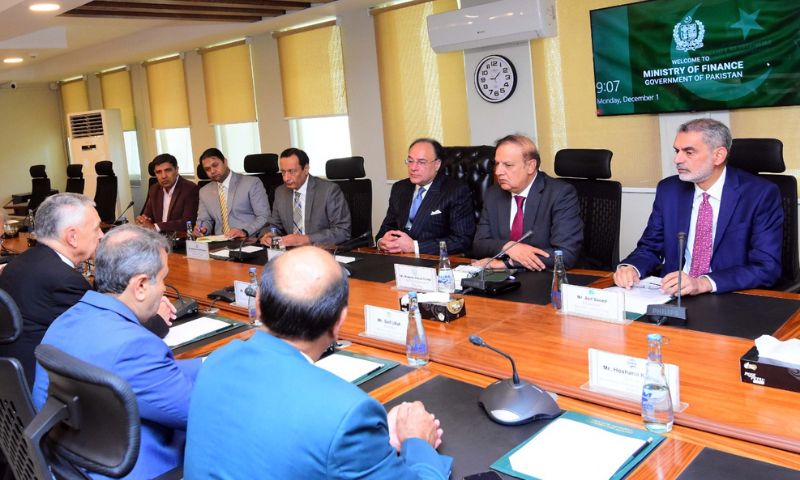
However, the nation cannot realise its projected long-term potential without confronting the dual pressures of demographic strain and intensifying climate shocks, Finance Minister Senator Muhammad Aurangzeb warned at the Pakistan Population Summit 2025 in Islamabad on Monday.
Addressing the summit, the minister said, climate-driven disasters continue to hit national output, noting that recent flooding is expected to shave 0.5 per cent off GDP this year alone.
Population pressures, he added, similarly dilute growth gains as economic expansion loses impact when demographic increase outpaces productivity.
According to the Minister, Pakistan has long understood the fundamentals of its population challenge and the critical task now is implementation.
He urged policymakers to approach population management with urgency, similar to how global climate and finance discussions are handled, emphasising that finance ministries ultimately mainstream long-term priorities through resource allocation and planning.
The minister welcomed the participation of religious scholars at the summit, saying credible voices are helping dispel misconceptions surrounding birth spacing and population health.
He said the emerging consensus among experts provides a foundation for decisive and informed action.
The country’s economic transformation will depend on empowering its youth, 64 per cent of the population, particularly freelancers, IT professionals and digital innovators working across emerging sectors including AI, blockchain and Web 3.0.
He called for regulatory frameworks that both safeguard and enable young digital talent active in global technology and crypto ecosystems.
Turning to human‑development indicators, he described stunting — affecting 40 per cent of children under five — as a form of “intellectual poverty” that undermines future workforce capacity.
Reducing learning poverty, especially for girls, must also be prioritised, he said. He noted that rapid urbanisation, unsafe water, weak sanitation and poor nutrition require coordinated national action.