Key points
- Finance Minister Muhammad Aurangzeb briefed a high-level Dialogue delegation on Pakistan’s ongoing economic reforms and structural improvements.
- The country has achieved IMF Extended Fund Facility milestones and improvements in credit ratings.
- Government initiatives focus on energy sector restructuring, pension reform, taxation, and privatisation of state enterprises.
- Engagement with Dialogue aims to attract foreign investment and strengthen international economic partnerships.
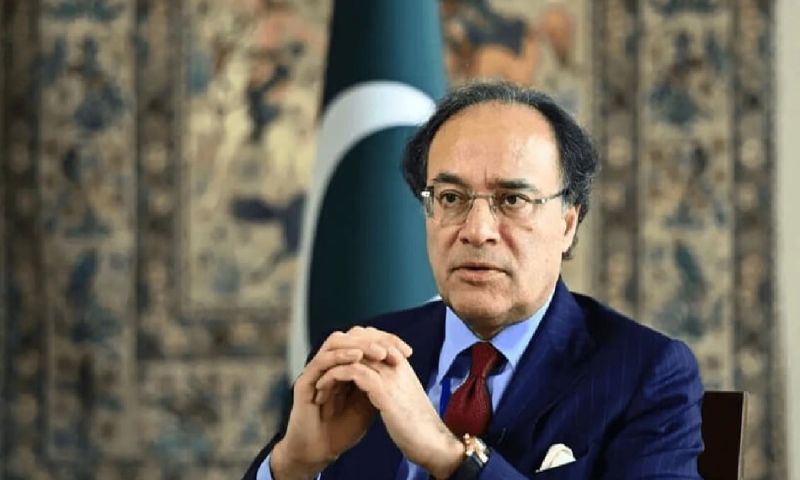
ISLAMABAD: Pakistan is positioning itself for sustained private-sector-led growth through a comprehensive economic reform program, Finance Minister Senator Muhammad Aurangzeb told a visiting Dialogue delegation, a global leadership platform.
The high-level meeting, which included figures such as Ambassador Ali Jehangir Siddiqui, Simon Stevens of the UK House of Lords, Yasmin Green of Jigsaw Google, and others, focused on the country’s macroeconomic consolidation and investment opportunities.
Aurangzeb highlighted Pakistan’s achievements over the past 18 months, including completion of the Second IMF Extended Fund Facility Review, climate resilience initiatives, and recent upgrades by international credit agencies. He outlined reforms in taxation, governance, pension systems, and energy sector restructuring, emphasising efforts to broaden the tax base and integrate AI-based monitoring to enhance compliance.
The Finance Minister also discussed China-Pakistan Economic Coridor (CPEC) Phase 2.0, aimed at boosting business-to-business investments, export-oriented industrial zones, and joint ventures, while reinforcing energy sector sustainability and private-sector participation.
He underlined Pakistan’s demographic advantage and ongoing reforms across mining, agriculture, IT, pharmaceuticals, and manufacturing as factors supporting long-term growth and foreign investment.