
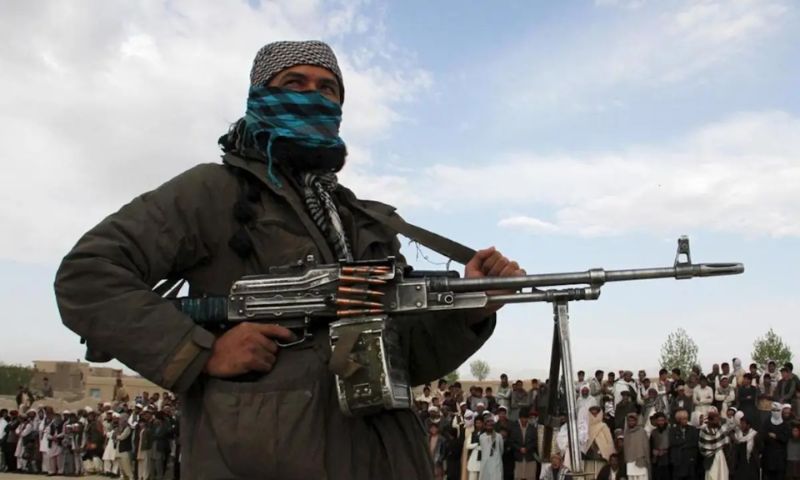
ISLAMABAD: Pakistan and Afghanistan’s interim Taliban government are set to begin the third round of high-level peace talks in Istanbul today on Thursday, aimed at finalising a joint monitoring and verification framework for the Doha-brokered cease-fire — a crucial step toward curbing cross-border militant attacks that have strained ties between the two neighbours.
The negotiations, facilitated by Türkiye and Qatar, follow earlier rounds in Doha and Istanbul, which ended without a breakthrough but maintained a temporary truce. Both sides have agreed to continue dialogue despite persistent mistrust and intermittent border clashes.
Focus on Cease-Fire Enforcement
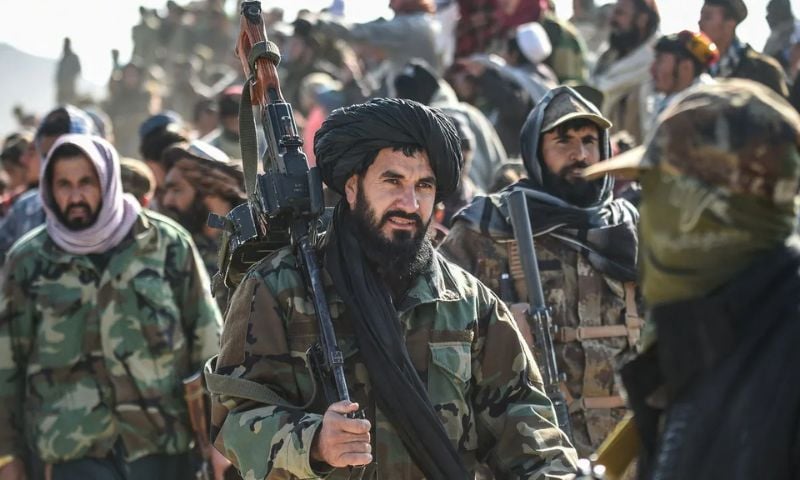
According to Pakistani sources, the Istanbul session will bring together senior intelligence and defence officials from both countries. Afghan intelligence chief Abdul Haq Wasiq is expected to lead Kabul’s delegation, while Islamabad’s team includes senior representatives from the Ministry of Defence and foreign affairs.
The core agenda is the creation of a joint monitoring and verification mechanism to ensure compliance with the cease-fire and define penalties for violations. Mediators view this as a decisive step toward institutionalising peace after months of tension.
Pakistan’s Security Concerns
Islamabad maintains that its agenda is singular — an end to terrorism from Afghan soil.
“The conditions that the Afghan Taliban keep putting forward are meaningless — what matters is the end of terrorism,” said Lt Gen Ahmed Sharif Chaudhry, spokesperson for Pakistan’s military. “Pakistan has a one-point agenda: Afghan soil must not be used against us.”
Pakistani officials accuse the Tehreek-e-Taliban Pakistan (TTP) of operating from Afghan territory under Taliban protection — an allegation Kabul denies. Islamabad, however, insists on verifiable action against the group’s sanctuaries.
Rising Violence and Diplomatic Stakes
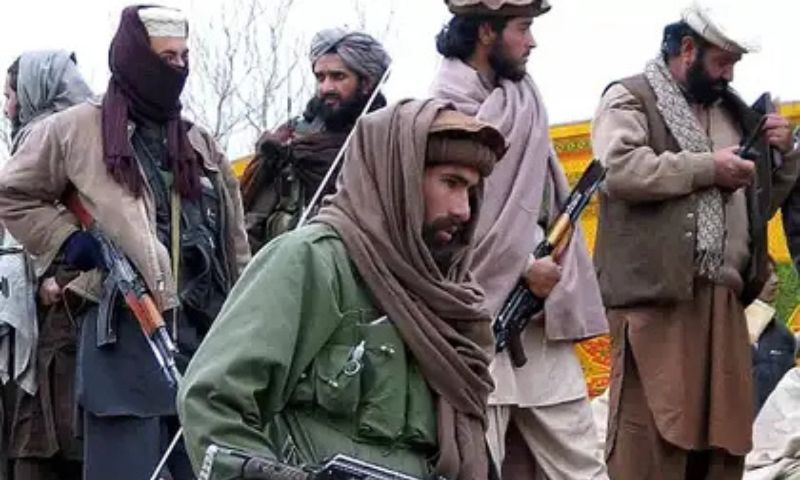
Pakistan’s army says recent militant activity has intensified counterterrorism operations nationwide, with 1,647 militants killed in recent months — including 128 Afghan nationals. Following cross-border attacks in early October, Pakistan’s retaliatory airstrikes reportedly killed over 300 fighters, including members of both the Afghan Taliban and TTP.
“These were precise strikes based on credible intelligence,” Gen Chaudhry said. “Pakistan’s actions are defensive and aimed at protecting its citizens.”
Analysts say the Istanbul talks mark a critical opportunity to prevent a slide into open confrontation. For Islamabad, success hinges on Kabul’s willingness to curb militant activity; for the Taliban, it’s a test of both control and credibility.
While Türkiye and Qatar continue to mediate, both sides acknowledge that the fragile peace depends on implementation rather than promises.